 Field & Home
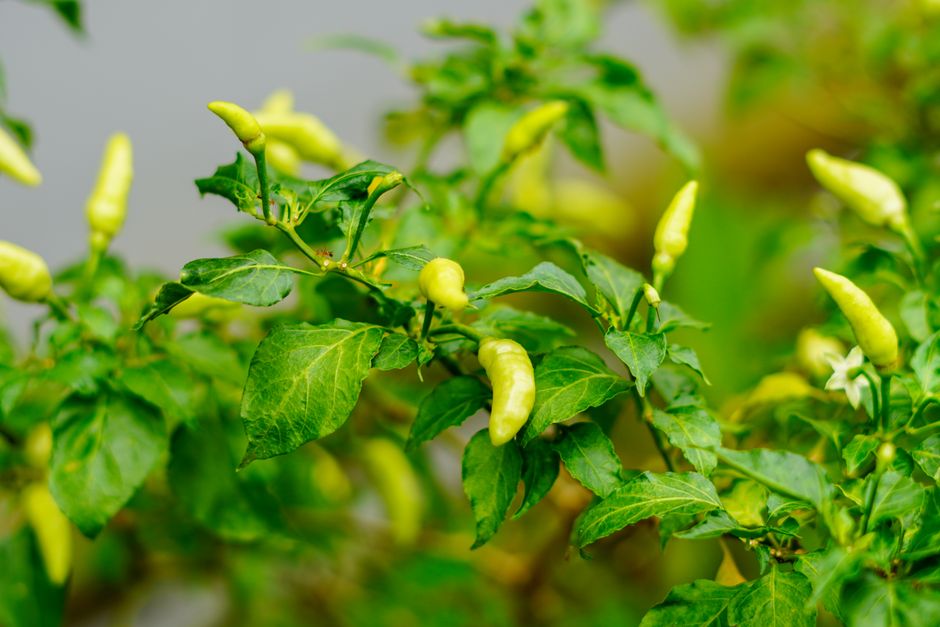
The short answer: Growing peppers on a balcony is achievable with a 5-gallon container, a loose potting mix (3:1:1 ratio), 6 to 8 hours of sun, and a simple watering and feeding rhythm. Follow clear steps for pot choice, transplant timing, watering volume, and harvest to get steady yields from one to four plants.
Containers, soil, and light
Pick containers at least 5 gallons (about 18-20 liters) for most pepper varieties; smaller hot-pepper types can do in 3-gallon pots but yield is limited. Depth matters: choose pots at least 10 to 12 inches deep so roots can develop. Ensure every container has multiple drainage holes and a raised saucer or feet so water can escape and air can circulate beneath the pot.
Mix your own potting medium for best results: combine 3 parts good-quality potting soil, 1 part perlite or coarse sand, and 1 part well-rotted compost. That 3:1:1 ratio gives structure, drainage, and steady nutrient release. Fill containers, leaving 1 to 2 inches of space below the rim to allow thorough watering without overflow.
Sow seeds 1/4 inch deep and expect germination in 7 to 14 days at 75 to 85°F (24 to 29°C). Transplant seedlings when they are 4 to 6 weeks old and have at least 2 to 3 true leaves; handle by the leaves or the root ball, not the stem. When transplanting into a 5-gallon pot plant only one pepper per container; for a 10-gallon tub you can place two plants spaced at least 12 inches apart center-to-center.
Light is nonnegotiable: peppers need 6 to 8 hours of direct sun for best fruit set. If your balcony gets less than 5 hours, place pots at the brightest available edge, use reflective surfaces to bounce light, or supplement with a 3000K full-spectrum LED grow light running 10 to 12 hours daily.
A 5-gallon container supports one pepper plant for a full season.“Always test drainage before planting: pour 1 quart (about 1 L) of water in and time how long it takes to clear; good pots drain within 30 to 60 seconds.”
—
Care, pests, and harvest
Watering frequency depends on pot size, temperature, and wind. For a 5-gallon pot expect to water roughly every 2 to 4 days in warm weather; aim to keep the top 1 inch (2.5 cm) of soil consistently moist but not waterlogged. Water thoroughly until excess runs from the drainage holes—this is typically 1 to 2 quarts (1 to 2 L) per watering for a 5-gallon pot on hot days. In cooler periods reduce to once per week or when the top 1 to 2 inches dry out.
Fertilize on a regular schedule: begin feeding 10 to 14 days after transplant. Use a balanced water-soluble fertilizer at half the label strength every 10 to 14 days, or apply a slow-release granular according to package directions—typically one application per 8 to 12 weeks for a 5-gallon pot. If new leaves look pale after flowering start, increase nitrogen slightly for 2 to 4 weeks, then return to a balanced mix to encourage fruit development.
Support and pruning: stake plants as fruit load increases—use a 3- to 4-foot stake (90 to 120 cm) for taller varieties. Pinch off the top 1 to 2 inches of growing tips only if you want to encourage bushier growth; remove only 10 to 20 percent of the earliest flowers if weather is cool to concentrate energy on fewer fruits.
Pollination on a balcony can be helped manually: gently shake stems once a day for 5 to 10 seconds during peak flowering, or use an electric toothbrush or small paintbrush to transfer pollen across flowers for 10 to 30 seconds per plant. That little effort can increase fruit set by 20 to 40 percent in sheltered sites with little wind or pollinator activity.
Pests and disease: inspect plants every 3 to 4 days. For aphids and whiteflies use a water spray, then treat persistent infestations with insecticidal soap following label rates; repeat treatments every 7 days as needed. For spider mites increase humidity and hose undersides of leaves; treat with a miticide or insecticidal soap at 7- to 10-day intervals if populations remain high.
Harvest peppers when they reach the variety’s mature size and color. Many bell peppers are ready at 3 to 4 inches wide and 60 to 90 days after transplant; smaller hot peppers may be ready in 60 days. Use scissors or pruning shears to cut fruit with a short stem segment (about 1/4 inch) to avoid plant damage and encourage further production.
Most peppers need 6 to 8 hours of direct sunlight for best yields.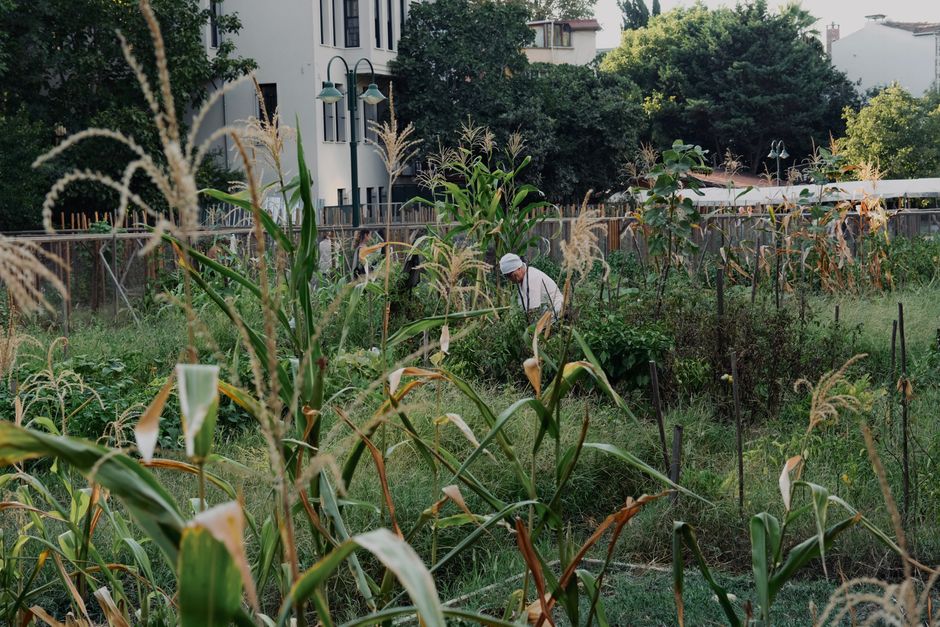
Frequently Asked Questions
Further reading: How to Grow Kitchen Herbs in Containers · How to Grow Tomato Plants in Containers
Sources: UMN Extension


