 Field & Home
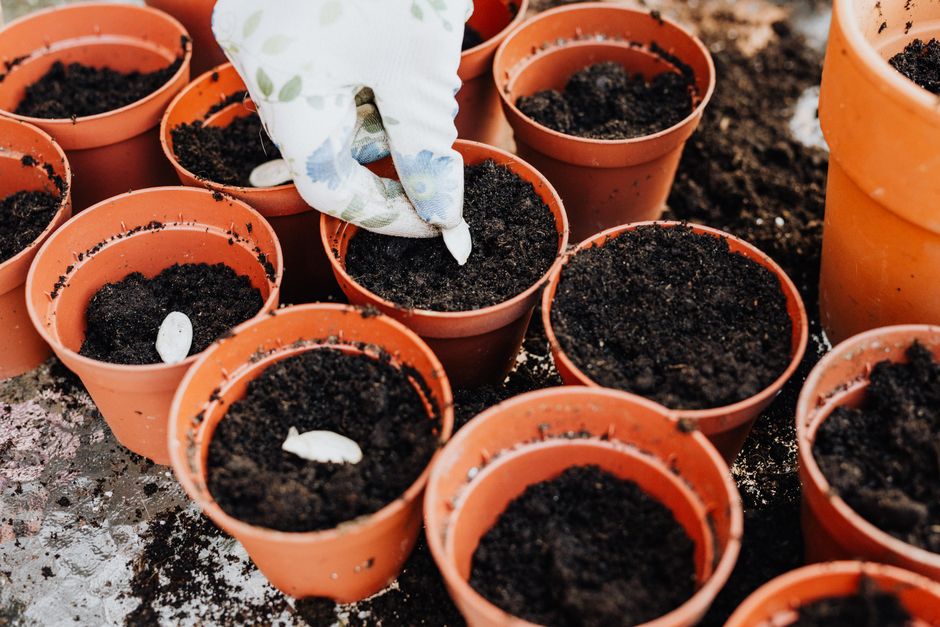
The short answer: Potting mix is the right choice for most containers because it stays light, drains fast, and reduces pests; use garden soil only when you blend it 50:50 for very large outdoor planters or when extra weight is required.
Potting mix vs garden soil
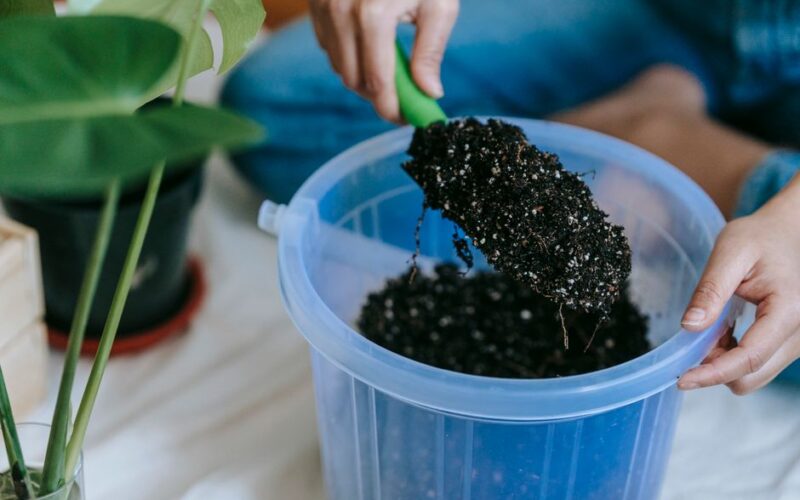
Potting mix and garden soil are both useful, but they serve different purposes. Potting mix is manufactured or blended for containers: it is light, airy, and designed to retain enough moisture while allowing excess to drain away. Garden soil is heavier, contains more mineral particles and native microbes, and is formulated for in-ground beds where drainage and root expansion behave differently.
In a pot, garden soil commonly compacts over weeks or months, losing pore space and turning into a dense mass that holds water like a sponge. That trapped water reduces oxygen at the roots and increases the risk of root rot. Potting mix resists compaction because it contains components such as coir, bark, or perlite that preserve air pockets.
Garden soil can be used in containers only when modified. For outdoor, very large planters (pot volume 40 L or more) you can add up to 50 percent garden soil to a potting base to increase thermal mass and stability. For anything smaller than roughly 20 L, avoid pure garden soil: choose a proper potting mix.
Potting mix
- Coir, bark, perlite hold air pockets
- Best for: every pot under 20 L
- Resists compaction for months
Garden soil
- Dense minerals sponge water in pots
- Best for: in-ground beds only
- Rot risk rises as pores collapse
Ratios, sieves, and pot-size rules that breathe.
Sieve soil 10 mm
Screen garden soil through 10 mm mesh and blend 1:1 only for huge outdoor planters.
Grit base 2 to 3 cm
Two to 3 cm of grit under the mix drains cloudbursts away from crowns.
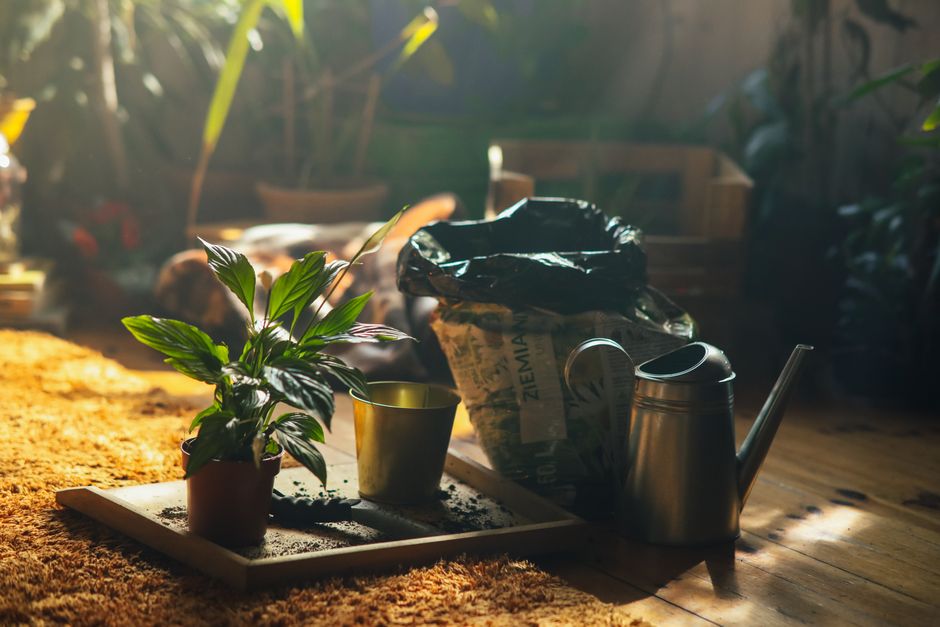
Mix recipes, quantities, and repotting steps
DIY potting mix is simple to measure and scale. A reliable all-purpose ratio is 2:1:1 by volume: 2 parts peat-free coir or screened compost, 1 part horticultural grit or perlite, and 1 part well-rotted compost. For a 10 L pot that equals 5 L coir, 2.5 L perlite, and 2.5 L compost: combine and mix thoroughly before filling.
For heavy feeders like tomatoes or peppers in 20 L containers, use a richer mix: 1.5 parts coir, 1 part perlite, 1.5 parts compost, and add 0.5 parts well-rotted manure or slow-release fertilizer at planting. That gives a balanced moisture-holding base while keeping drainage good; measure each part so one part for a 20 L pot equals 4 L when you use a 4-part total.
When you must use garden soil in a large outdoor planter, follow a 1:1 ratio: 50 percent potting mix to 50 percent screened garden soil. Sift garden soil through a 10 mm mesh to remove stones and large clods, then blend thoroughly. Add 2 to 3 cm of coarse grit or broken terracotta at the pot base if the soil still feels heavy; this gives an extra drainage buffer for the first 1 to 2 centimeters of flow.
Repotting steps, timed and measured:
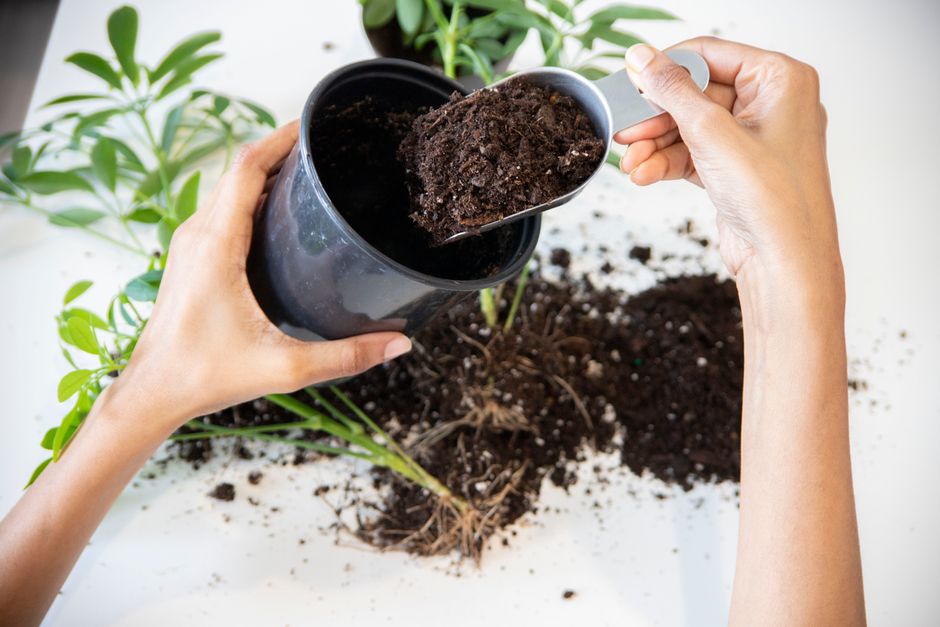
1) Choose a pot 3 to 5 cm wider in diameter than the current root ball for small to medium houseplants; for large plants increase diameter by 5 to 10 cm. A too-large pot slows drying and can cause overwatering.
2) Remove the plant and gently tease roots. For every 5 cm of new pot diameter, allow the root ball to spread slightly—never force roots flat. Trim any circling roots by 1 to 2 cm with clean scissors.
3) Add enough fresh potting mix so the top of the root ball will sit 2 to 3 cm below the pot rim—this leaves room for watering. For example, in a 10 L pot leave about 2.5 cm from the rim to the soil surface.
4) Place the plant and fill around it with mix, firming lightly so the root collar is at the correct level. Water in with 500 ml to 1 L depending on pot size until water flows from drainage holes; avoid packing the mix tightly.
5) Wait 3 to 7 days before fertilizing newly repotted plants if you used a slow-release fertilizer; otherwise start a regular liquid feed schedule after 7 to 14 days. Smaller pots typically need feeding every 2 to 4 weeks in active growth; larger containers can stretch to 4 to 6 weeks.
Storage and quantities: buy potting mix by the bag for convenience—one 50 L bag fills five 10 L pots. If you mix your own, always measure by volume so ratios stay consistent. Store homemade mixes in a dry, covered space and use within 6 to 12 months to avoid mold or nutrient loss.
Watering frequency depends on pot size and mix. A 6 to 8 L indoor pot in summer may need watering every 2 to 3 days; a 20 L outdoor container may only need water once a week. Check moisture 3 cm below the surface with your finger or a simple moisture meter: if it is dry at that depth, water thoroughly until runoff.
Frequently Asked Questions
Further reading: How to Grow Kitchen Herbs in Containers · How to Grow Tomato Plants in Containers
Sources: UMN Extension