 Field & Home
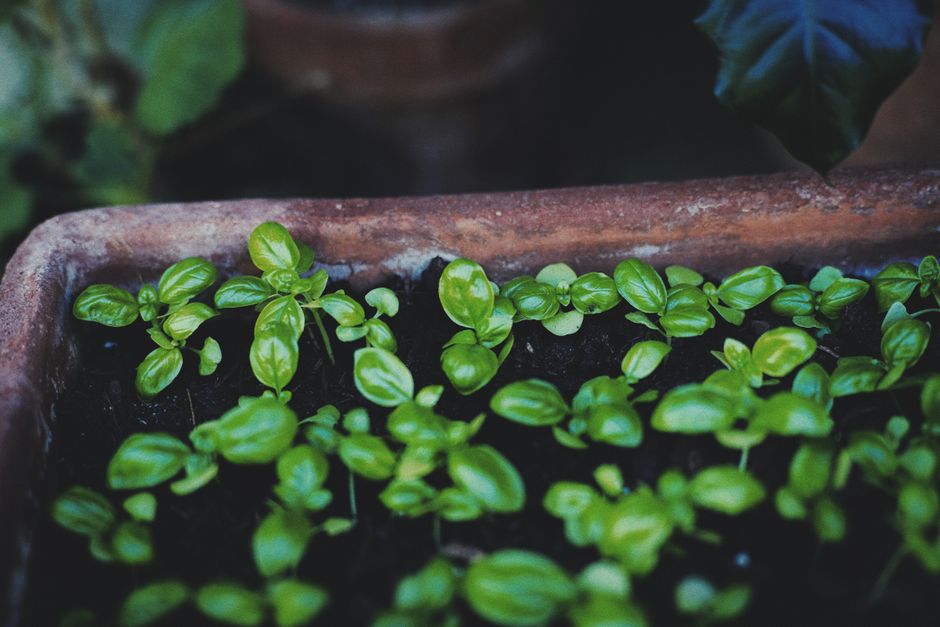
The short answer: Start with three or four hardy herbs—basil, parsley, chives, and rosemary—in 6–12 inch pots on a sunny sill or a sheltered balcony. Water deeply until runoff when the top 1–2 inches dry, use a free-draining 50/25/20/5 mix, and expect first meaningful harvests in 4–6 weeks.
Pick the Right Herbs
Choose herbs based on light, mature size, and how you cook. Soft, annual herbs such as basil and cilantro need 6–8 hours of direct sun and warm nights above 55°F (13°C); woody perennials such as rosemary and thyme tolerate 4–6 hours of sun and will stay in pots for 2–4 years if given winter protection. Match the herb to the location before buying seedlings.
Plan pot sizes by mature root mass: use a 6-inch (15 cm) pot for chives, an 8–10 inch (20–25 cm) pot for basil, a 10–12 inch (25–30 cm) pot for parsley or cilantro, and a 12–16 inch (30–40 cm) pot for rosemary. If you cook with fresh basil at roughly 1–2 tablespoons per week, one 8–10 inch pot will typically supply that for 8–12 weeks during the warm season.
Consider compatible pairings to save space: mint and parsley should not share a pot because mint is aggressive; instead pair basil with chives, or thyme with rosemary when depths and sun needs align. Limit each container to one dominant herb or one compatible pair, leaving 2–3 inches (5–8 cm) between stems to maintain airflow and reduce disease risk by an estimated 30–50% compared to crowded pots.
Sun-Loving Herbs
- Examples: Basil, Rosemary, Sage
- Light: 6–8 hours direct sun
- Best for: South or west-facing windows and balconies
Part-Shade Herbs
- Examples: Parsley, Cilantro, Mint
- Light: 3–5 hours direct sun or bright indirect light
- Best for: North-facing windows with supplemental grow light or a spot that gets morning sun
The Ideal Container Mix
A quick formula for loose, well-draining potting mix.
Why drainage matters
Use pots with drainage holes and elevate them on 1/2-inch feet. Standing water will suffocate roots and can kill plants within 48–72 hours, so always allow excess to drain away.
Plant, Water, and Harvest Like a Pro
Plant seedlings after the last expected frost and when night temperatures regularly exceed 50°F (10°C). For seeds, expect basil and cilantro to sprout in 7–14 days and chives in 10–21 days; sow seeds at a depth equal to 2–3 times the seed diameter. When transplanting, set the soil level of the seedling to match the original pot; do not bury the crown of woody herbs like rosemary deeper than it sat in its nursery container.
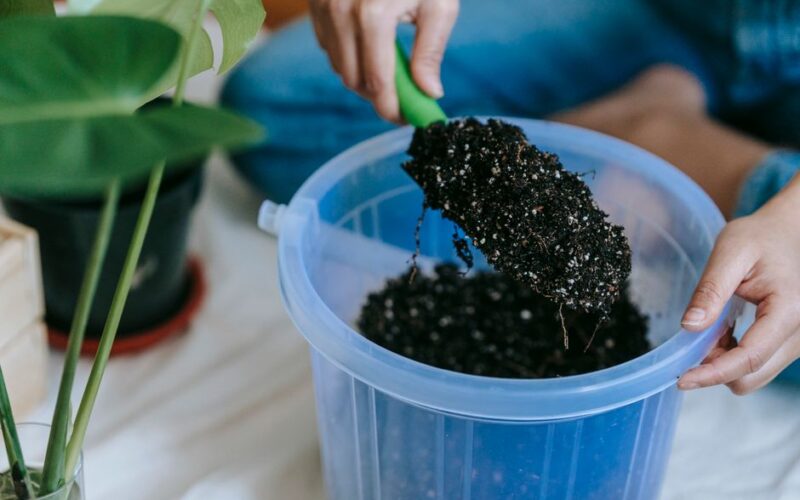
Use this simple step-by-step potting method: (1) Place a coarse mesh or a single layer of gravel over the drainage hole to stop soil loss, (2) add 1–2 inches (2.5–5 cm) of coarse grit or perlite, (3) fill with the 50/25/20/5 mix leaving 1 inch (2.5 cm) of headspace, (4) position the plant and firm soil gently with your fingers, and (5) water thoroughly until you see runoff. For a 10–12 inch pot expect to use about 1.5–2 quarts (1.5–2 L) at the first thorough soak.
Water by pot diameter and daily conditions: a 6–8 inch pot typically needs 8–12 ounces (250–350 mL) per deep soak; a 10–12 inch pot needs 1.5–2 quarts (1.5–2 L); and a 16–20 inch window box may require 1–2 gallons (4–8 L) per soak in hot sun. In 80–90°F (27–32°C) heat check soil every day and water when the top 1–2 inches are dry; in cool or cloudy weather check every 5–7 days. Use the finger test and weigh the pot to judge moisture—the pot will be 20–40% lighter when it needs water.
Fertilize with a balanced 10-10-10 soluble fertilizer at half strength every 3–4 weeks during the active growing season, or use a liquid seaweed or fish emulsion at the same interval for softer, more aromatic leaves. If leaves become floppy or pale, cut fertilizer frequency to once every 6–8 weeks and flush the soil with two pot volumes of water to remove built-up salts.
Harvest to encourage bushy regrowth: for basil and parsley, pinch or cut 1–3 inches (2.5–7.5 cm) of new growth every 7–10 days and never remove more than one-third of total foliage at a time. For woody herbs like rosemary and thyme, take 2–3 inch (5–7.5 cm) sprigs no more than twice a month and avoid stripping more than 20–30% of older foliage so the plant maintains energy reserves.
Pest and disease management: inspect plants twice weekly for aphids, whitefly, or powdery mildew. For soft-bodied pests make a spray of 1 teaspoon (5 mL) dish soap per liter of water and apply every 4–7 days until populations fall; for persistent fungal problems improve airflow and reduce watering frequency by 25–50% until foliage dries within 4–6 hours after watering.
Many soft-stem herbs will yield a first harvest from transplants when stems reach 4–6 inches (10–15 cm) tall.
In high heat, most small pots need a deep soak every 3–4 days; moving to a larger pot can reduce frequency to about once per week.
Use 6–8 inch pots for chives, 8–10 inch for basil, and 12–16 inch for larger perennials like rosemary.
“Treat containers like miniature plots: they demand the same attention to soil, water, and light but reward you faster and with less space.”
— Maya S., Field & Home gardener
Frequently Asked Questions
Further reading: How to Grow Tomato Plants in Containers · How to Grow Cherry Tomatoes in Five-Gallon Buckets
Sources: UMN Extension


One response