 Field & Home
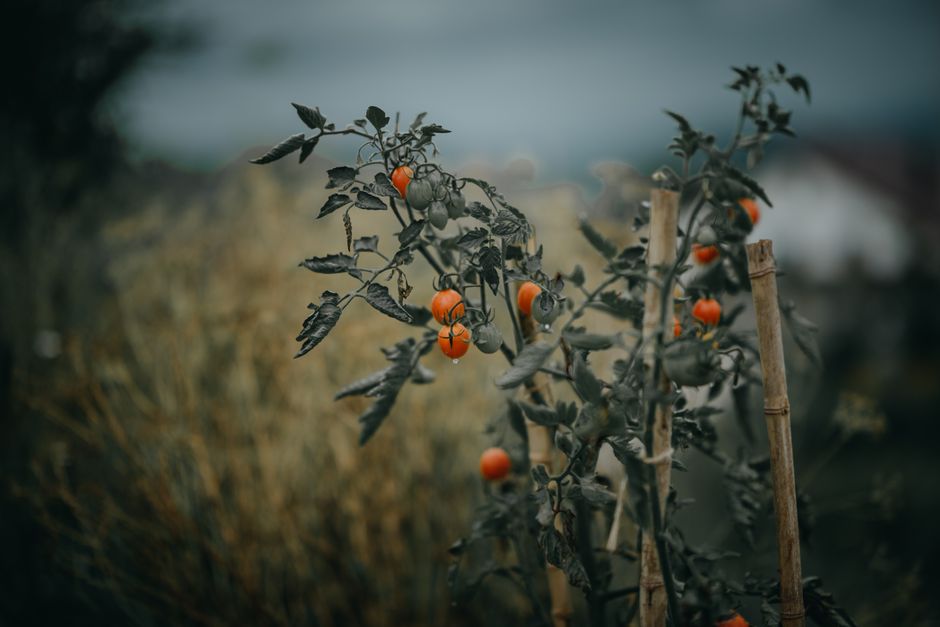
The short answer: Grow cherry tomatoes in five-gallon buckets for big yields in small spaces: 60:40 potting mix, 1.5 inch drainage, 18–24 inch stake or cage, and a weekly 1:20 liquid feed. Expect first harvest 8 to 10 weeks after transplanting.
Choose containers and varieties
Five-gallon buckets are a proven container for cherry tomatoes because they hold roughly 18 to 20 liters of growing medium, provide enough root volume, and are easy to position on patios, balconies, or small yards. Use food-grade buckets with solid walls; avoid buckets that previously held toxic chemicals.
Prepare drainage by drilling 6 to 8 holes of 3/8 to 1/2 inch diameter in the bucket bottom, spaced evenly. To reduce clogging, place a 1.5 inch layer of coarse gravel or broken pottery fragments at the base, then add the potting mix above that layer so the top 16 to 18 liters are usable root zone.
Choose cherry tomato varieties suited to containers: indeterminate vines like ‘Sungold’ or ‘Sweet 100’ give continuous harvest through the season and typically reach 4 to 6 feet tall, while determinate bush types such as ‘Patio’ or ‘Tiny Tim’ stay compact (18 to 30 inches) and set fruit in a 1 to 2 week flush. For a five-gallon bucket, indeterminate varieties are fine if you provide a strong support and prune; determinate works if you want a single, heavy harvest.
Plan spacing: place buckets at least 18 inches apart to ensure air circulation and ease of pruning. If using multiple buckets, line them up so you can access both sides of each plant for inspection and harvesting.
Liters, holes, and gaps for bucket harvests.
Gravel 1.5 in first
inch-and-a-half gravel base under mix keeps 6 to 8 holes draining, not clogging.
Feed 1 tbsp at plant
Tablespoon 10-10-10 in top 2 inches per bucket; transplant past 50 F nights at 2 to 4 leaves.
Indeterminate vines
- Sungold types to 4 to 6 ft, all season
- Best for: steady picking with pruning
- Needs strong staking in buckets
Determinate bushes
- Patio types 18 to 30 in, 1 to 2 wk flush
- Best for: one heavy compact harvest
- Cage early, skip heavy pruning
“”Buckets give beginners reliable results when they use a good potting mix, consistent watering, and sturdy supports.” – Practical growing advice”
—
Planting, care, and harvest
Fill each bucket to within 1 inch of the rim with the 60:40 potting mix and compost blend. Add 1 tablespoon (15 ml) of a balanced granular fertilizer like 10-10-10 mixed into the top 2 inches of soil at planting, or use a slow-release product labeled for containers at the package rate for a 5 gallon container. Water the mix thoroughly until water runs from the drainage holes to settle the medium and remove air pockets.
Transplant seedlings when they have 2 to 4 true leaves and the outdoor night temperature is consistently above 50°F (10°C). Plant seedlings deeper than they were in their pots: bury stems up to the first set of true leaves to encourage additional root formation along the stem. Allow 1 to 2 days of shade and gentle watering to reduce transplant shock.
Support is essential. For indeterminate plants, install a 24 to 30 inch metal cage or a 4 to 6 foot strong bamboo or metal stake tied at 12 inch intervals. Drive the stake at least 8 inches into the ground or anchor it firmly in the bucket through the gravel layer so it resists wind. For multiple plants in a single bucket, use a 30 inch tall circular cage that keeps 2 to 3 stems upright without rubbing.
Water consistently: containers dry faster than beds. Check moisture daily in warm weather by pressing your finger 2 inches into the soil; water when the top 1 to 2 inches feel dry. A typical schedule is 1 to 2 quarts (1 to 2 liters) per bucket every 1 to 3 days depending on temperature and sun exposure. Early morning watering reduces evaporation and disease risk.
Fertilize with a liquid feed at half-strength every 7 days during fruit set, or use a slow-release formula applied once every 8 to 10 weeks per the product label. A common DIY feed is a 1:20 dilution of a 20-20-20 water soluble fertilizer: use 1 teaspoon per gallon (about 5 ml per liter) to create the solution, and apply 1 pint (500 ml) around each bucket once weekly when flowers appear.
Prune to focus energy: for indeterminate types, remove suckers (the small shoots that form in the leaf axils) weekly until the plant reaches the desired height. Leave 2 to 3 main stems for heavy production. For determinate varieties, minimal pruning is best—remove only dead foliage and a few low shoots to improve airflow.
Monitor for pests and disease: inspect leaves and undersides twice weekly. If you see aphids or whiteflies, a 1 percent insecticidal soap spray applied every 3 to 5 days for up to 3 applications can control them. Remove any yellowing leaves promptly and avoid wetting foliage when watering to reduce blight risk.
Harvest when fruits are fully colored and slightly soft to the touch. Cherry tomatoes typically begin producing 8 to 10 weeks after transplanting and will continue for 6 to 12 weeks with indeterminate varieties when conditions and feeding are steady. Pick every 2 to 3 days to encourage more fruiting.
Frequently Asked Questions
Further reading: How to Grow Kitchen Herbs in Containers · How to Grow Tomato Plants in Containers
Sources: UMN Extension