 Field & Home
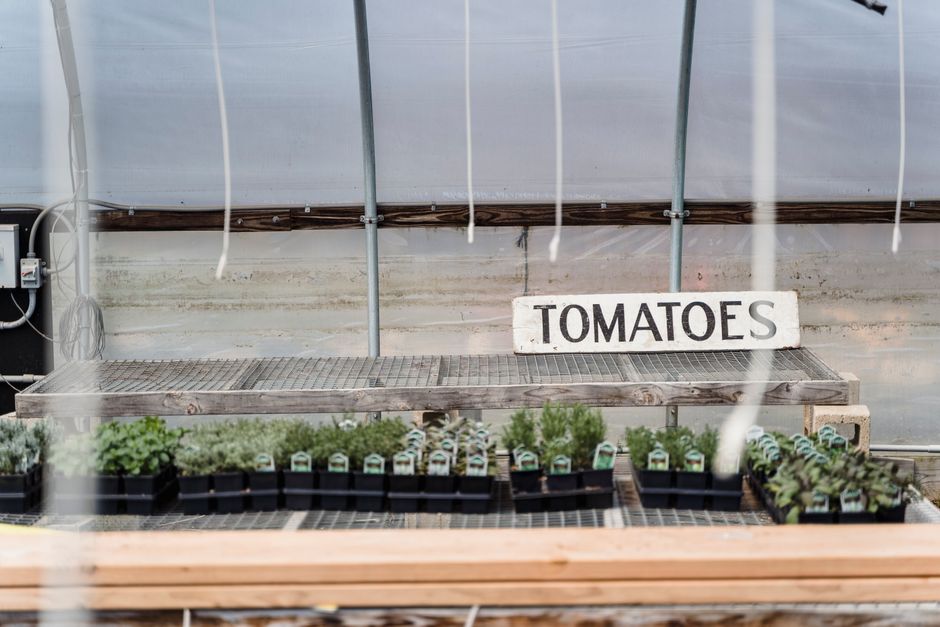
The short answer: Container tomato plants need deep, fast-draining soil, 6–8 hours of direct sun, and a minimum 5–7 gallon pot for bush types or 10–20+ gallons for vining types. Water for a deep soak until 10–20% runoff, feed liquid fertilizer at half-strength every 10–14 days, stake or trellis at planting, and expect fruit 60–85 days after transplant.
Choose the Right Variety
Pick a tomato variety based on the container volume you can provide and how you plan to use the fruit. For 5–7 gallon pots choose determinate or patio cultivars that mature in 60–70 days and stay compact; for 10–20+ gallon containers select indeterminate vines for higher yields and larger fruit, knowing they often need 75–85 days to finish.
Look at the plant tag for days to maturity and resistance codes like V, F, and N; a plant labeled 65 days and VFN will typically set ripe fruit sooner and withstand common fungal and nematode pressure. If you want tomatoes for canning or slicing, choose 15–20 oz average fruit sizes and plan for larger pots; for salads, cherry types that produce 1–2 inch fruit work well in 10–12 inch diameter containers.
Consider container material and depth: plastic and resin pots retain moisture better, terracotta breathes but dries faster, and fabric grow bags can be 12–24 inches deep to support a robust root ball. Aim for at least 12 inches of soil depth for bush types and 16–20+ inches for full-size indeterminate varieties to allow adequate root development.
Determinate (Bush)
- Container size: 5–7 gallons
- Care: minimal pruning, concentrates fruit set
- Best for: patio pots, short-season gardeners
Indeterminate (Vining)
- Container size: 10+ gallons (15–20 ideal)
- Care: needs staking/trellis and regular pruning
- Best for: big harvests, slicing and heirloom types
Basic Potting Mix Targets
Avoid garden soil
Use commercial potting mix; garden soil compacts and reduces oxygen at roots, increasing rot risk. Add perlite or coarse sand if the mix feels heavy; a quick test is to drench a 1 qt sample and see if it drains within 30 seconds to 2 minutes.
pH target 6.0–6.8
Aim for slightly acidic soil with pH 6.0 to 6.8; test with a handheld pH meter or test kit and amend with lime or sulfur by label directions to move pH 0.2–0.5 points per application.
Smaller pots are OK for compact types but require daily checks in hot weather.
Larger pots support steady moisture and larger root mass for heavy-yielding indeterminate plants.
“Consistency beats frequency: a steady deep soak twice a week for a 10–20 gallon container is better than daily shallow watering that leaves roots stressed.”
— Maya Patel, Container Grower
Planting, Watering, and Care
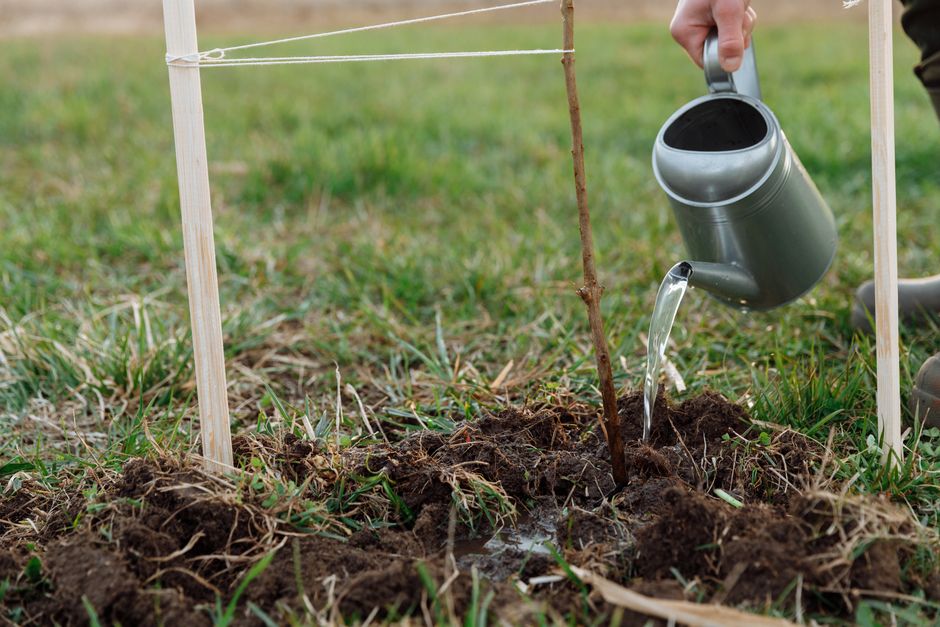
Start with vigorous transplants: choose plants that are 4–6 inches tall with 3–4 true leaves and no yellowing. At transplant, remove the lowest leaves and bury the stem up to the next set of leaves; this encourages additional root formation along the buried stem and improves stability and drought tolerance.
Use a potting method that reduces settlement: fill the container one-third with mix, tamp lightly, lay the plant at the desired depth, then fill to 1 inch below the rim and firm the mix around the stem. For a 15 gallon pot aim for 12–14 quarts (roughly 3–3.5 gallons) of soil volume per 5 gallons of pot capacity to estimate amendment quantities when mixing compost and perlite.
Place containers where they receive 6–8 hours of direct sun; in climates with persistent hot afternoons above 90°F provide 25–40% afternoon shade cloth to reduce blossom drop. Ideal fruit set occurs with daytime temperatures of 70–85°F and nights between 55–70°F; use a thermometer to check microclimates on balconies or patios for at least 3 days to plan placement.
Water for depth, not just surface dampness. For a 5–7 gallon pot apply about 1–2 quarts per deep soak and for a 10–20 gallon pot 2–4 quarts, allowing 10–20% runoff; during heat waves (90°F+) check twice daily and increase volume by 25–50% if the surface dries within 4 hours. Use a moisture meter or the squeeze test: the top 1–2 inches should feel slightly dry before the next deep soak, not bone dry.
Stake or set a trellis at planting to avoid root disturbance later. For single-stake systems, drive a 6–8 foot stake 4–6 inches into the soil beside the stem and tie stems every 8–12 inches with soft ties. For string trellises, anchor the base to the container rim or a heavy bracket and train vines to two main strings, tightening once a week to keep stems upright.
Fertilize on a consistent schedule. At planting mix a balanced granular starter (for example 5-10-10) at the label rate in the top 2 inches, then switch to a higher-potassium liquid feed at half-strength every 10–14 days once the first flowers set. As a midseason boost, top-dress with a 1/2 inch layer of compost or apply a labeled slow-release product at 6–8 weeks to sustain feeding for the following 6–8 weeks.
Prune indeterminate varieties to a manageable habit: remove side shoots (suckers) when they are 1–2 inches long, keeping one or two main stems. Pruning improves airflow and light penetration and can speed ripening by about 7–10 days compared with an unpruned plant under similar conditions.
Monitor pests and disease weekly: look under leaves for aphids and use a 7–10 day neem or insecticidal soap schedule for control; for fungal issues remove affected leaves immediately and improve spacing and airflow. Harvest when fruit reaches full color and feels slightly soft to the touch; most varieties ripen 20–30 days after the first effective pollination, while cherries often finish 7–10 days earlier than large slicers.
Frequently Asked Questions
Further reading: How to Grow Vegetables You Can Harvest in a Month or Less · How to Grow Zucchini Without Powdery Mildew
Sources: UMN Extension
One response