 Field & Home

The short answer: Train vining cucumbers up a 6-8 ft trellis, plant 2-4 plants per 10 ft of row, and expect harvests 50-65 days after planting; a 2-minute daily training check and consistent 1 inch weekly water keep fruit crisp and straight.
Site, soil, and timing
Choose a sunny spot that receives at least 6 to 8 hours of direct sun each day; full sun gives firmer, less bitter fruit. Cucumbers set best when daytime temperatures stay between 70 and 85°F and nighttime temps are above 55°F, so plan to plant after the last local frost when soil temperatures reach at least 60°F.
Test soil temperature with a simple probe thermometer at 2 inches depth for a few days before planting—wait until readings are consistently 60°F or higher. If you start indoors, sow seeds 3 to 4 weeks before the last expected frost and transplant 1-2 weeks after the last frost, once night temperatures reliably exceed 50°F.
Prepare a planting bed at least 12 inches deep. Remove weeds and loosen soil to a 10-12 inch depth using a digging fork or a small tiller. Work in 2 to 4 inches of well-aged compost per 10 sq ft and a balanced granular fertilizer at package rates for a 10-10-10 or similar N-P-K product; this supplies steady nutrients during the first 6 to 8 weeks of growth.
For container setups, use a 15- to 20-gallon pot per vining plant or a trough at least 12 inches deep. Use a light potting mix that drains well and includes 20-30% compost or coconut coir. Ensure containers have at least 3-4 drain holes and place them where they get full sun.
Plan trellis placement on the south or east side of the bed so vines do not shade shorter vegetables. Allow a 2-3 foot clear path in front of the trellis for harvesting and airflow; tight, damp corridors increase powdery mildew risk and slow drying after rain.
Trellis basics
Heat, depth, and spacing for crisp trellis fruit.
Probe 2 inches days out
Wait for steady 60 F soil readings and transplant 1 to 2 weeks past last frost.
Sow 1 in deep, 12 to 18 apart
One pint per transplant settles balls; trellis south or east with a 2 to 3 ft picking lane.
Planting, training, and ongoing care
Sow seeds 1 inch deep and 12 to 18 inches apart in-row for single-stem training; if you plan two stems per foot, space 10 to 12 inches apart. When transplanting seedlings, set them at the same soil depth they were in their pots and water each transplant with about 1 pint (0.5 liters) to settle the root ball.
Install the trellis before vines reach 6 inches tall to avoid root disturbance. DIY trellis options include 2×4 posts with heavy-gauge netting anchored with 18-inch rebar stakes, cattle panels bent and anchored into the ground with 2-3 anchor points, or a 1×2-inch horizontal string grid. For a string trellis, run horizontal lines every 8 to 12 inches and space posts 6 to 8 feet apart; tension the strings so they support 2 to 4 pounds of fruit per foot of vine without sagging.
Train the main stem vertically by gently spiraling the vine around the string or attaching stems with soft plant ties every 12 inches. Allow about 1 inch of slack in ties for stem thickening. For vigorous varieties, remove side shoots that form below the first fruit cluster to concentrate energy into developing fruit; limit pruning to 10-20% of total foliage at one time to avoid exposing fruit to sunscald.
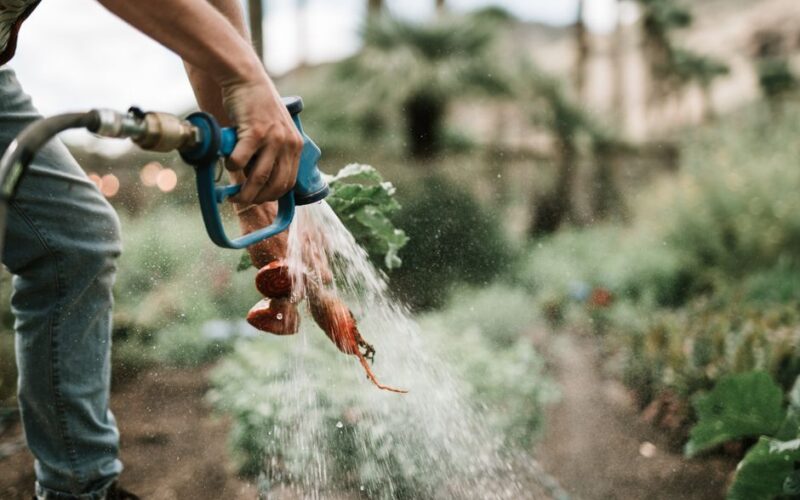
Water consistently: cucumbers need about 1 inch of water per week, delivered in 2-3 soakings (for example, two 30-minute drip sessions per week depending on emitter output) rather than light daily misting. Use a soaker hose or drip line placed 2-4 inches from the plant crown to keep foliage dry and reduce powdery mildew risk. Apply a 2-3 inch layer of organic mulch such as straw or shredded leaves to conserve moisture and keep fruit clean.
Fertilize at planting and again when vines begin to flower: side-dress with 1 cup of compost or 1 tablespoon of balanced granular fertilizer per plant at 3 to 4 weeks after transplant, then repeat every 4 to 6 weeks if growth slows. Look for signs of nitrogen deficiency (pale green leaves) and correct with a small, targeted application—about 1/2 tablespoon per plant—to avoid excessive leafy growth at the expense of fruit.
Inspect vines daily for pests and diseases; treat cucumber beetles early by handpicking or using floating row cover for the first 3-4 weeks, then remove the cover when flowers appear to allow pollinators. To manage powdery mildew, keep a 3-4 ft spacing between rows and remove heavily infected leaves; apply an approved fungicide according to label instructions only when necessary.
Harvest every 2 to 3 days once fruit reach market size—typically 6 to 8 inches for slicing types or 3 to 4 inches for pickling types. Overripe cucumbers left on the vine for more than 7 days often develop bitterness and large seeds. Use a clean pruner to cut fruits, leaving a 1/4- to 1/2-inch stem attached to each cucumber to extend short-term storage by 2-3 days in the refrigerator.
For continuous production, stagger planting: sow a new set of seeds every 10-14 days for a 6-8 week planting window, or start 3-4 transplants every 2 weeks. This succession planting keeps harvests steady for 6 to 10 weeks per planting cohort depending on variety and weather.

Frequently Asked Questions
Further reading: How to Grow Tomato Plants in Containers · How to Grow Vegetables You Can Harvest in a Month or Less
Sources: UMN Extension