 Field & Home

The short answer: Potted perennials will often survive winter outdoors without a greenhouse when you insulate the root ball, reduce moisture, and choose a protected microclimate; a straightforward routine in late fall can preserve 60–90% of specimens depending on zone and species.
Preparing potted perennials for winter
Start preparing potted perennials 2 to 4 weeks before your average first hard freeze. The goal is to protect the root zone: roots are less cold-hardy than the topgrowth, and the pot walls expose roots to rapid temperature swings. Work on containers when daytime temperatures are above freezing so materials settle and hands can handle tasks without damage to plants.
Choose pots that perform better in winter: unglazed clay can crack in freeze-thaw conditions, while thick-walled resin, rot-resistant wood, or fiberglass pots retain warmth. For new pots, aim for walls at least 1/8 inch thick; thinner decorative pots are more vulnerable and should be moved to sheltered locations or wrapped.
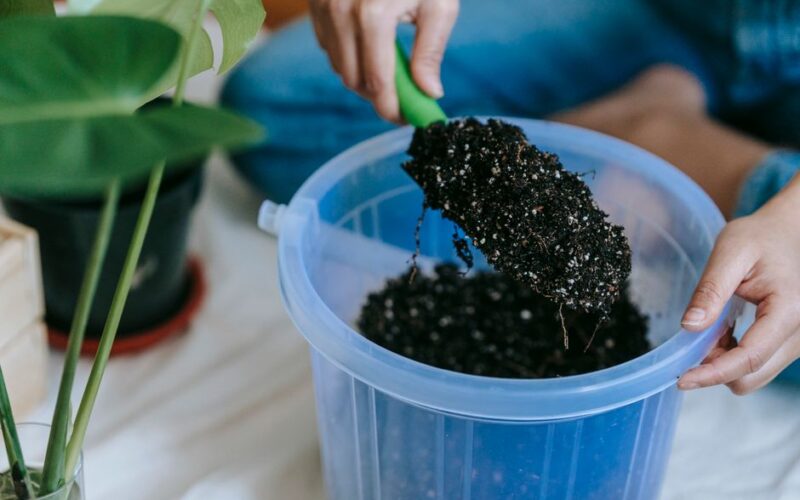
Refresh the soil surface and check drainage. Replace the top 1 to 2 inches of potting mix with a fresh, well-draining formula that contains 20–30% coarse perlite or grit to reduce waterlogging. If you repot, use a mix with 50% commercial potting soil and 50% coarse mineral component for large containers to balance moisture and insulation.
When pruning, remove only dead foliage and clearly diseased tissue. Avoid hard pruning on crown-forming perennials; instead reduce soft, floppy stems by roughly one-third to limit transpiration. For marginally hardy species, cutting back no more than 50% of topgrowth preserves enough carbohydrate reserves for spring rebound.
Elevate pots off cold surfaces by 2 to 3 inches using pot feet, bricks, or a wooden pallet. Elevation prevents the pot base from freezing solid to the patio and reduces conductive heat loss. For small pots, use 1- to 2-inch rubber feet; for 10–20 gallon containers, place four 2-inch pavers under the rim to keep the base clear of snowmelt and pooling water.
Label pots with common name, variety, and USDA hardiness or your observed zone. Use a waterproof tag and include the date of planting or last repot (e.g., planted 05/2024) so you can prioritize which containers to sink or move first in extreme cold.
Quick winter-proof checklist
Weeks, walls, and lifts that save potted roots.
Work above freezing days
Refresh top 1 to 2 inches with 20 to 30 percent grit while days still thaw materials.
Tag planted 05/2024 style
Waterproof tags with name, zone, and plant date decide which pots sink or move first.
Insulate in place
- 2 to 3 in feet plus south wall shelter
- Best for: hardy pots left outside
- Cut floppy stems back one-third
Move indoors or to a garage
- Garage or sink into soil to rim
- Best for: thin pots and tender crowns
- Keep topgrowth under 50 percent cut
“I routinely overwinter potted perennials outdoors with simple insulation and see survival rates around 80% for hardy species; the trick is consistent drainage and a 2–4 inch mulch over the crown.”
—
Two to 4 weeks before hard freeze lets mixes settle and hands work safely.
Eighth-inch resin, wood, or fiberglass walls hold warmth; thinner pots wrap or move.
Half potting soil plus half coarse mineral drains winter rains without drowning.

Overwintering tactics and ongoing care
Choose the right site: a protected south- or west-facing wall reduces radiant and wind chill losses and can be 4–8°F warmer overnight than the open yard. In heavy-snow climates, place pots where snow will drift to provide a natural insulating blanket; in low-snow climates, build insulation around pots using manufactured materials.
Wrap pots when overnight lows consistently dip below 25–30°F. For a 12-inch-diameter pot, use 2–3 complete turns of 1/8-inch bubble wrap, then fasten a 12 x 18-inch burlap panel around the circumference with twine. Secure materials with two evenly spaced straps or ratchet ties so wind cannot peel the wrap off during storms.
Insulate the soil surface with 2–4 inches of coarse mulch: straw, shredded bark, or coarse compost are good choices. Spread mulch in a donut shape around the crown, leaving the crown itself slightly exposed on plants that require air movement to prevent rot. Refresh mulch once midwinter if it compresses after heavy rain or snow; check every 6–8 weeks.
Water conservatively through winter. Reduce watering frequency from the fall onset so the top 1 inch of soil dries between events. On mild winter days (above freezing) probe the root ball; give small 6–8 inch pots 1/4 to 1/2 cup water only if dry, and give larger 5–10 gallon pots 1 to 2 liters sparingly. Avoid saturating the mix within 10 days of an expected deep freeze.
For USDA zone 5 or colder, sinking pots into the ground up to the rim adds 6–12 inches of insulation on the sides and bottom. Dig a hole equal to the pot height, lower the container so the rim is flush with soil level, then backfill with native soil and cover with 3–4 inches of mulch. This technique reduces freeze-thaw cycling and should be done before ground freezes solid, typically 2–4 weeks before your first hard frost.
When grouping pots, cluster similar species and sizes together and drape a loose breathable cover over the cluster—use a 3–4 inch mulch ring topped by a loose tarp that allows air movement but blocks wind. Leave ventilation gaps of at least 4 inches to prevent condensation and fungal issues.
Plan spring checks within 7–10 days after your area’s last frost. Gradually reintroduce water in early spring, increasing to regular intervals as new growth appears. If soil is compacted, top-dress with 1 to 2 inches of fresh potting mix and lightly fork the surface to encourage root-to-soil contact but avoid disturbing the crown.
Moving heavy containers requires proper technique: for 15–20 gallon pots use a dolly rated for at least the weight of the wet container (often 60–100 lb), or enlist two people and lift with knees, keeping the pot close to the body. Avoid dragging a pot across hard surfaces, which can damage drainage holes and root structure.

Frequently Asked Questions
Further reading: How to Grow Kitchen Herbs in Containers · How to Grow Tomato Plants in Containers
Sources: UMN Extension