 Field & Home
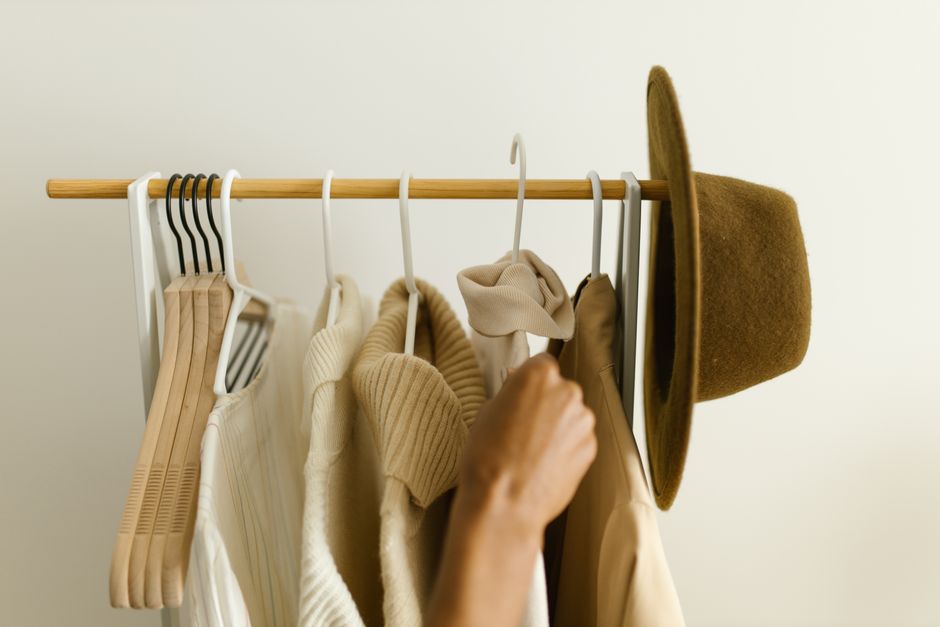
The short answer: Keep one-in-one-out for steady maintenance; choose the capsule method for seasonal resets and a smaller, curated collection you can wear 80% of the time.
One-in-One-Out Rule
The one-in-one-out rule is a circulation system: for every new garment you bring in, remove one existing piece. It prevents slow accumulation and pairs well with a fixed capacity. Measure your rod length in inches and count hangers now; a 48-inch rod typically holds about 48 thin hangers, so pick a capacity like 40–60 hanging items for that rod and stop adding when you hit the limit.
Materials and setup: have one 13-gallon donation bag, one small recycle bin for worn-out textiles, a garment steamer or lint roller on hand, and a 12-inch ruler to mark shelf depth. Keep a labeled donation box or collapsible bin within 6 feet of the closet so decision friction is low. For drawer limits, use a 4-drawer dresser as a guide: allow one drawer for shirts (folded vertical, 6–8 per 12-inch deep shelf), one for bottoms, one for activewear, and one for underwear and accessories.
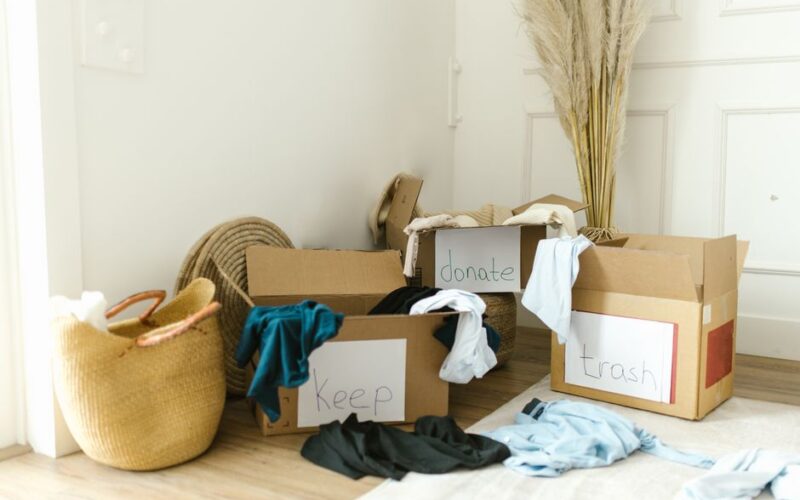
How to implement, expanded into 8 steps with timings: 1) Measure and set capacity (10 minutes); 2) Empty one section or rod to audit current items (30–60 minutes); 3) Sort items into Keep/Maybe/Donate piles using a 60-second decision rule per item; 4) Bag immediate donations (5–10 minutes); 5) Photograph any items you plan to sell, upload to a resale app within 48 hours, and price them (30–60 minutes total for a small batch); 6) Note exceptions (socks, undergarments, specialty gear) and allocate specific drawer inches for them; 7) Place each new purchase on a 1-for-1 removal rule immediately; 8) Schedule a 60–90 minute purge on the first weekend of each season to catch drift.
Decision tactics: during a purge, use the 60-second rule and the 30/3 test—can you wear it within 30 days and pair it with at least 3 other items? If not, move it out. For families, implement a 10-item buffer per person: allow up to 10 temporary extras for special conditions (uniforms, growing-phase kids) but clear back to capacity within 30 days. Track exceptions by writing them on a 3×5 card kept in the closet; check the card during your quarterly purge.
Storage optimization details: switch to thin velvet hangers (about 0.5 inches each) to save roughly 10–15% rod space compared to bulky plastic (about 1 inch). Use shelf dividers set every 12 inches of depth to keep folded stacks at 6–8 items tall and prevent uncontrolled piles. For small accessories, install a 6×18-inch wall-mounted pouch or a 12-compartment drawer organizer; allocate no more than 10 square inches per folded scarf or knit to avoid overflow. Plan a 10-minute weekly tidy to return stray items and drop anything designated for removal straight into the donation box.
Rods, drawers, and clocks for closet capacity.
Audit one rod 30 to 60
Empty a single section 30 to 60 minutes, sort Keep Maybe Donate, and bag leavers in 5 to 10.
Run the 30/3 test
Wearable in 30 days with 3-plus pairings stays; list resales inside 48 hours.
One-in-One-Out
- One out per item in, 40 to 60 cap
- Best for: steady daily maintenance
- Ten-item buffers clear in 30 days
Capsule Method
- Seasonal reset to a curated few
- Best for: wearing 80 pct of closet
- Four drawers split by category

Capsule Method
The capsule method builds a compact, versatile wardrobe—commonly 20–40 items excluding underwear and activewear—designed to mix-and-match. Start by defining a palette: select 2 to 3 neutrals and 1 to 2 accent colors and aim for a 70/30 neutral-to-accent ratio by item count. For a 25-item capsule, that often means about 18 neutrals and 7 accents, distributed across 10 tops, 6 bottoms, 3 outer layers, 2 dresses, and 4 shoes/accessories.
Step-by-step build with concrete measures: 1) Pull everything out and lay garments flat on a 60×80-inch bed or table (audit takes 60–120 minutes for a full closet); 2) Flag your core 8–12 pieces you wear most often (count each piece); 3) Add 8–15 complementary items to reach 20–30 total; 4) Use a 7-day wear test and record daily outfits to see which pieces are used—aim for 80% of the capsule worn during that week; 5) Refine over 2–4 weeks, swapping no more than 2 items per week so you can observe real wear patterns.
Storage and packing: baseline hardware is a 36-inch closet rod plus two 12-inch-deep shelves for folded items, adequate for a 25-item capsule. For off-season storage, use a 20-liter sealed bin (about 12x10x6 inches) to hold 8–12 folded garments without over-compressing; label the bin with season and year and keep it under bed or on a top shelf. Hang heavier coats and knitwear; fold delicate sweaters on 12-inch shelves to avoid stretching. Use garment bags for items you wear fewer than 6 times per season to protect them in storage.
Upkeep rhythm and metrics: plan a 1-hour capsule review at the start of each season and a 20–30 minute mid-season edit. Track wear with a simple tally: mark items worn fewer than 3 times in 60 days as candidates for removal. Expect 2–4 hours of front-loaded work the first season to set up a capsule, then 10–30 minutes per month to maintain it. If your capsule drifts, run a 90-minute reset and remove the 5 items with the lowest wear counts in the prior 60 days.
Examples for climates and routines: for temperate spring/fall capsules, include 2 light jackets, 1 heavier coat, and 1-2 layering sweaters; for summer, swap to breathable fabrics and reduce outer layers to 1. For parents with small children, keep a 5-item grab-and-go subset near the door for rushed mornings; replenish it weekly in about 5–10 minutes.

Frequently Asked Questions
Further reading: How to Sort and Dispose of Unknown Household Items · Nine Home Office Decluttering Wins for Better Focus
Sources: EPA Safer Choice