 Field & Home
The short answer: A three-step, condition-value-effort rule gets decisions done: inspect, price or donate, then schedule disposal or sale. Use simple timing goals and box sizes to clear a room in a day.
Make the Decision
Begin every session with a clear time cap: 30 seconds per small item (kitchen gadgets, decor), 2–5 minutes for larger pieces (lamps, small furniture) and 10–20 minutes for sentimental or complex items. The cap prevents decision fatigue and keeps you moving: in a 3-hour block you can expect to process 50–100 small items or 10–20 larger pieces.
Inspect for safety and basic function. Check seams, zippers, batteries, and cords. If a clothing item has a hole larger than 1 inch in diameter or needs more than a 20-minute repair, mark it for donation or recycling rather than keeping. For electronics, power on if safe: a working unit with cosmetic wear is a candidate to sell; a dead unit with cracked circuitry or missing key parts is often recycling-only.
Run the value check. Use a simple pricing rule: estimate 20–40 percent of the original retail price for common household goods, or compare three recent listings for niche items. If your realistic net will be under $10 after fees and 1–3 hours of work, favor donation — the time investment rarely pays off for low-value items.
Estimate effort in minutes before you commit to selling: 10 minutes to photograph and write a short listing, 20–30 minutes to package, and 15–30 minutes to drop off or mail. If total effort exceeds 30–60 minutes for an item and expected net is under $20, the time-to-value ratio usually favors donation or recycling.
Use a simple checklist while you inspect: (1) Is it safe/functional? (2) Is it cleanable in under 20 minutes? (3) Will it likely net $20+ or serve someone else if donated? Answering these three questions takes the guesswork out of emotional items and keeps decisions consistent across rooms.
Donate
- Usable goods fund charities fast
- Best for: under $10 net after fees
- Three questions decide in seconds
Sell
- Twenty to 40 pct retail when worth it
- Best for: $20-plus net of effort
- Photo 10, pack 20-30, ship 15-30
Staging and tools to speed decisions
Caps, rates, and minutes that price the pile.
Sell only over $20 net
Under $10 net after 1 to 3 hours work always donates; effort past 30 to 60 minutes needs $20-plus.
Sort by category first
Books then clothes then kitchen in 10 to 50 batches keeps pricing rules uniform.
Sort, Prepare, and Move
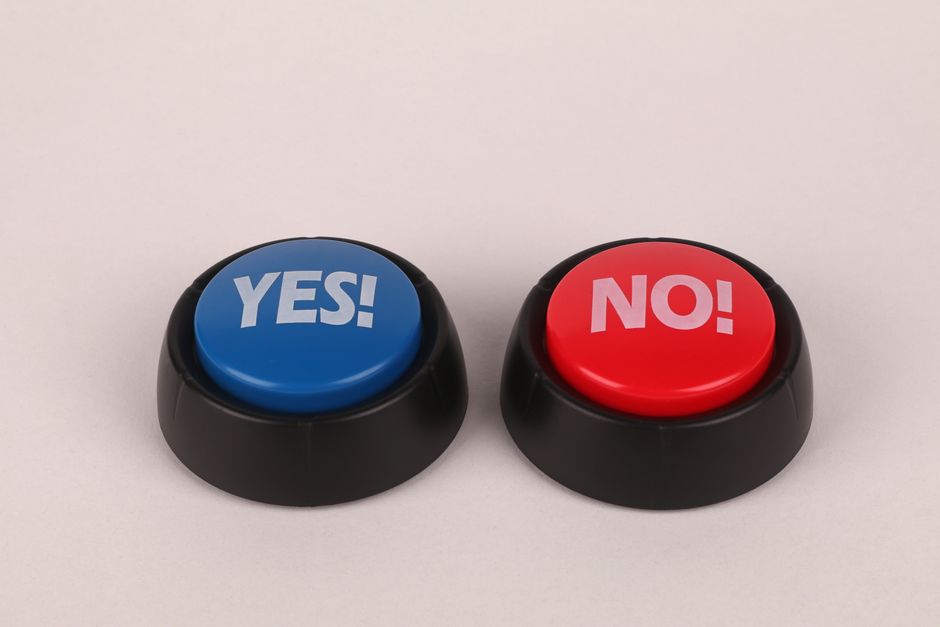
Sort by category, not by room. Process one category at a time — books, then clothing, then kitchenware — so you can apply uniform pricing and handling rules to batches of 10–50 items. For books, separate paperback and hardcover and set aside signed or collectible copies for individual research. For clothing, sort by season and size so donation boxes are useful immediately.
Photograph and list sellable items with a repeatable routine: shoot three photos (front, close detail showing wear, and a scale or context shot) against a neutral wall or sheet. Measure dimensions to the nearest inch and weigh items to the nearest ounce with a digital scale; include both size and weight in the listing. Use a template sentence for condition, for example: “Used—good condition; minor scuff on left edge (see photo).” Expect 10–15 minutes per detailed listing; if you batch-photograph 20 items in one session, you can reduce per-item time to 3–5 minutes.
Prepare donations: clean or wipe items within a 10–30 minute window per box, bundle like items together and seal 18x12x12 boxes with packing tape. Label each box DONATE plus an approximate item count (for example, DONATE — 12 items) so drop-off volunteers can sort quickly. Many charities offer pickups within 48–72 hours; otherwise plan a 30–60 minute trip to a drop-off site.
Handle bulky or hazardous items correctly. Mattresses typically require special handling and may incur fees; check municipal rules before leaving curbside. For large furniture, remove legs or disassemble parts to fit a hatchback or compact truck — removing legs typically takes 10–20 minutes with a standard screwdriver. Schedule municipal bulk pickup or allow $10–50 per item for transfer station disposal when applicable.
Packaging and shipping tips: use recycled boxes where possible, add 1–2 inches of padding around fragile items, and fill voids with crumpled paper. For mailings, select a padded flat-rate envelope for small items or calculate shipping by weight for boxes; weigh the packed box to the nearest ounce and compare two carrier options to save money. Label boxes clearly with return address and include tracking for items over $50 in value.
Block your calendar for action. A practical weekend plan: two 3-hour blocks to sort and stage, one 2-hour block to photograph and list, and one 1–2 hour block for drop-offs and pickups. This 10–14 hour plan typically clears a bedroom or small living area and moves items from decision to final destination in about three days if pickups are scheduled.
Frequently Asked Questions
Further reading: How to Sort and Dispose of Unknown Household Items · Nine Home Office Decluttering Wins for Better Focus
Sources: EPA Safer Choice