 Field & Home
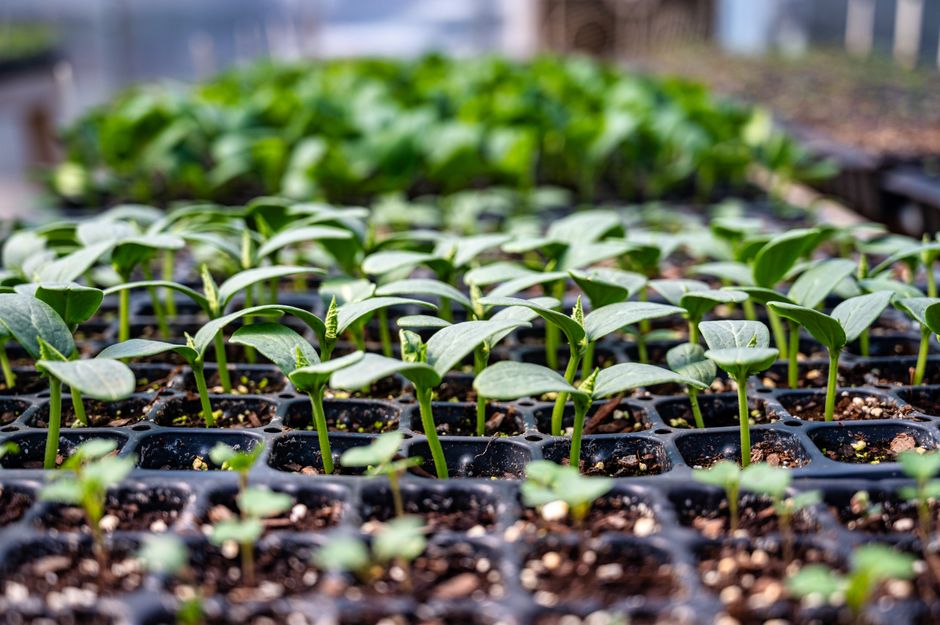
The short answer: Seedling watering mistakes are usually about timing and drainage, not watering itself. Check soil moisture with the finger test to 1 inch (2.5 cm), use a well-draining mix, and water slowly until the top 1/4 inch is moist.
Watering Mistakes to Avoid
New gardeners kill seedlings faster with water than with pests. The most common error is overwatering: keeping the entire plug saturated 24/7 encourages fungal rot and weak roots. Seedling plugs and small pots of 1 to 3 inches across need only surface moisture most days and a light soak every 2–4 days depending on temperature and mix.
Underwatering shows up as limp stems and slowed growth, but it usually means the surface looks dry while the root zone is still compacted. Check the root zone by slipping the seedling from the pot and feeling the soil 1 inch (2.5 cm) down; if it feels dry, give a measured drink. For a 2-inch peat plug, start with 30–50 ml of water; for a 3–4 inch cell, aim for 75–150 ml per watering so moisture reaches the root ball without flooding the tray.
Wrong container size and poor drainage amplify mistakes. Small cells dry faster; larger pots hold too much water if you water by habit. Use trays with drainage holes and avoid sealed bottoms; a 3–4 inch nursery pot typically needs one 5–8 mm drainage hole per quadrant, or at least two evenly spaced holes so water can escape and the medium can breathe.
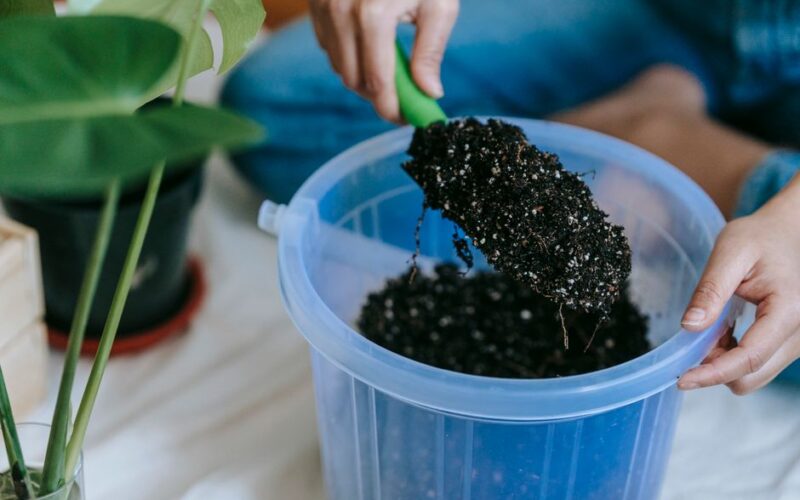
Using dense garden soil or straight peat can trap water. Aim for a seedling mix ratio of roughly 60% peat or coconut coir, 30% perlite, and 10% screened compost by volume. That mix gives a balance of water retention and aeration so roots get both moisture and oxygen.
Water temperature and timing matter. Cold water (below 55°F / 13°C) shocks tender roots; use water at room temperature, about 68–75°F (20–24°C). Water seedlings in the morning within two hours of sunrise when stomata can use moisture and daytime evaporation reduces overnight fungal risk.
Finally, misting instead of soaking is overused. Misting keeps leaf surfaces wet but rarely wets the root zone deeply enough; reserve misting for humidity only and use a gentle pour or bottom-watering to reach the root ball. Bottom-watering a tray for 5–10 minutes until the surface is moist gives more consistent results than brief overhead sprays.
Quick facts
Milliliters, mixes, and temps that stop drowning.
Bottom-water 5 to 10 min
Tray-soak 5 to 10 minutes to the surface line; misting wets leaves, never root balls.
Feel 1 inch down
Slip plugs out and feel 1 inch deep; soak every 2 to 4 days, never 24/7 swamp.
Overwatering
- Saturated plugs rot fungi in days
- Best for: nothing but damping-off
- Drain holes each quadrant cure it
Underwatering
- Limp stems, dry inch-down soil
- Best for: a measured 30-150 mL drink
- Morning water near sunrise revives
“”A reliable routine beats guesswork: small measured waterings and a moisture check to 1 inch cut losses by more than half in our trials.””
—
How to Water Seedlings Correctly
Start with consistent medium and containers. Use clean trays with drainage and a seedling mix that includes perlite. Fill cells to the same level so each seedling has similar volume; uniformity makes scheduling simple and reduces errors when you water by weight or by time.
Establish a simple two-step check before every watering: the finger test and the weight test. Finger test: press gently 1 inch (2.5 cm) into the mix; if the soil is dry at that depth, water. Weight test: lift an identical filled cell when moist and again when dry; the dry cell is typically 20–40% lighter. These checks take 5–10 seconds and reduce overwatering.
Water method A — Bottom-watering: place trays in a shallow sink or tub with 1/4 to 1/2 inch (6–12 mm) of water. Let capillary action draw water up for 5–10 minutes, then lift and drain excess for 2 minutes. Bottom-watering saturates the root mass evenly without splashing the foliage.
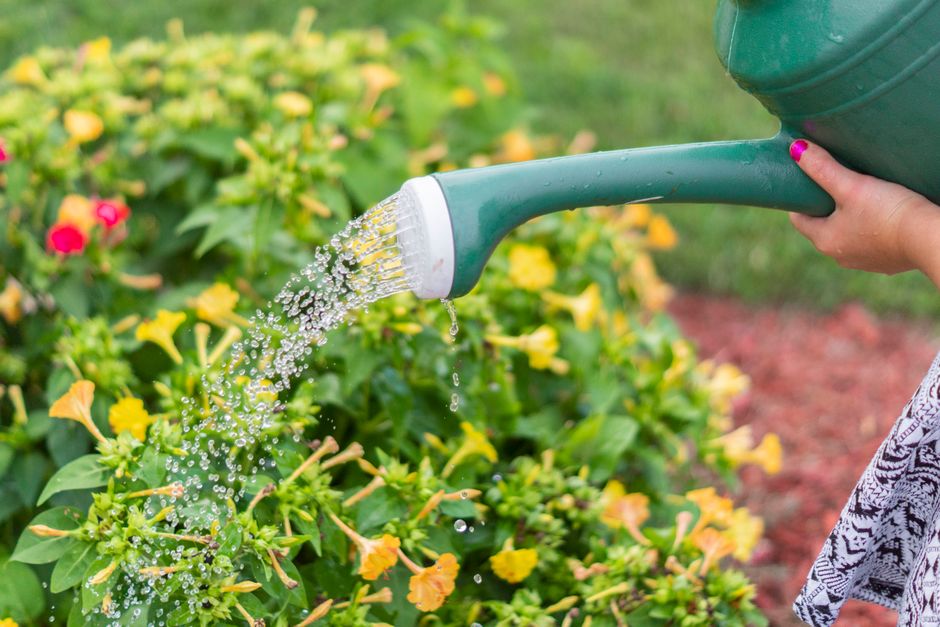
Water method B — Top-watering: use a watering can with a fine rose or a squeeze bottle with a narrow nozzle. For a 4-inch (10 cm) pot, pour 75–150 ml slowly in a circular pattern around the stem until the top 1/4 inch is moist. Pause to let water soak in, then continue; rapid pouring creates channels and leaves dry pockets.
Schedule by environment: in a warm indoor grow area at 70–75°F (21–24°C) with 50–70% humidity, most seedlings need water every 2–4 days. Outdoors or in hot conditions, check daily. Always recheck 12–24 hours after a watering to ensure the medium has not stayed saturated; adjust volume down by 25% if drainage is slow.
When transplanting, harden off seedlings over 7–10 days and reduce watering frequency gradually so roots grow deeper. After moving to a 3–4 inch pot, switch to a 3-week watering rhythm: light water at planting, then monitor moisture and give 1 heavier soak every 7–10 days depending on pot size and mix.
Tools that help: a handheld moisture meter that reads to 2–3 cm can be useful for beginners; use it as a second check, not the only method. A scale to monitor pot weight costs under $20 and gives repeatable results: record a moist weight and a dry weight for each pot size and use those benchmarks.
Frequently Asked Questions
Further reading: How to Grow Tomato Plants in Containers · How to Build Self-Watering Planters From Two Totes
Sources: UMN Extension