 Field & Home
The short answer: Start with compact, fast-maturing vegetables and a 5-gallon (19 L) container; you can harvest the first crops in as little as 21 days with 6-8 hours of sun and a potting mix of 60% potting soil, 20% compost, 20% perlite.
Container gardening basics
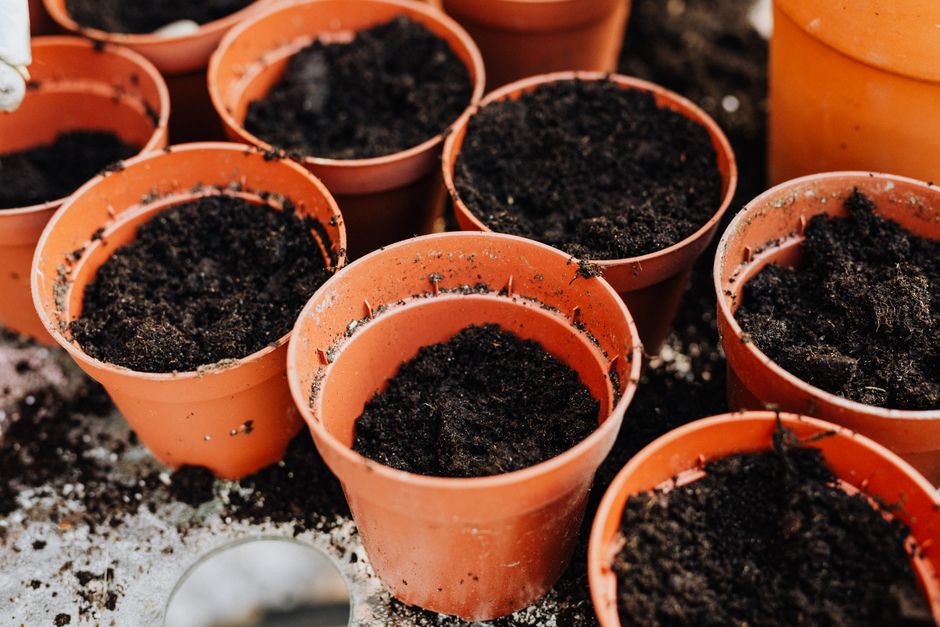
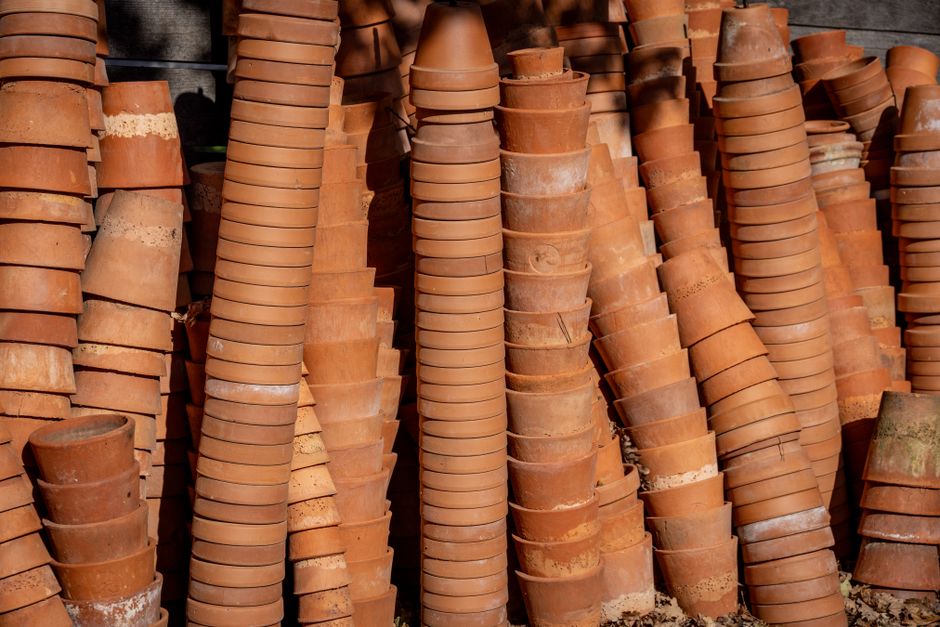
Containers concentrate root volume and water needs, so pick pots with drainage holes and a minimum volume suited to the crop. For herbs and lettuce use 6-8 inch (15-20 cm) pots; for bush tomatoes and peppers choose 12-18 inch (30-45 cm) diameter pots or a 5-gallon (19 L) tote. Depth matters: most vegetable roots need 8-12 inches (20-30 cm); carrots and deep-rooted plants need 12-18 inches (30-45 cm).
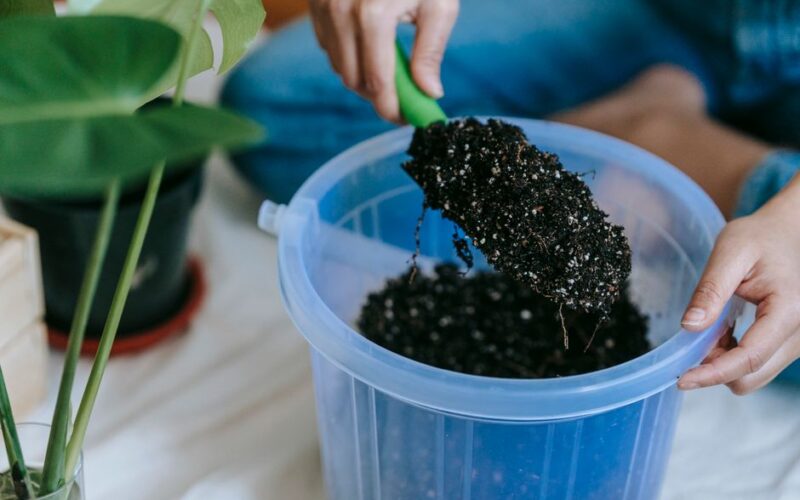
Use a light, well-draining mix: mix 60% commercial potting mix, 20% compost, and 20% perlite or coarse sand by volume. This gives both nutrients and drainage. Fill containers leaving a 1 inch (2.5 cm) rim to make watering easier.
Sun and water rules are concrete: aim for 6-8 hours of direct sun for fruiting crops and 4-6 hours for leafy greens. Watering frequency varies by heat and pot size; a 5-gallon container typically needs watering once every 1-3 days in warm weather, applying enough water to moisten the root ball — about 1-2 quarts (1-2 L) for small pots, 1-2 gallons (4-8 L) for large pots per session.
Feed regularly: apply a water-soluble balanced fertilizer at half label strength every 1-2 weeks for fast feeders, or use a slow-release granular fertilizer measured per package for the pot volume (commonly 1-2 tablespoons per 5-gallon container at planting).
Pots, sun, and feeds for first containers.
Water 1 to 3 days
Five gallons drink every 1 to 3 warm days: 1 to 2 quarts small pots, gallons for big.
Mix 60-20-20, rim 1 in
Sixty mix, 20 compost, 20 perlite with a 1-inch watering rim in every pot.
Leafy quick crops
- Lettuce and radish in 6 to 8 in pots
- Best for: 21 to 30 day wins
- Four to 6 h sun, daily checks
Fruiting crops
- Tomatoes and peppers need 5 gallons
- Best for: summer-long harvests
- Six to 8 h sun plus staking
“”Start small, pick quick crops, and note sunlight on your balcony for one week before planting.” – practical container gardener tip”
—
Top vegetables for beginners
1) Lettuce (leaf and romaine): Use 6-8 inch (15-20 cm) pots or a 10-12 inch (25-30 cm) window box. Sow seeds 1/4 inch deep, thin to 2-4 inches apart, and expect harvestable baby leaves in 21-30 days or full heads in 45-60 days. Keep soil evenly moist—check daily in heat—and provide 4-6 hours of sun or filtered light.
2) Radishes: Plant in containers 6-8 inches deep with 2 inches between seeds. Radishes mature fast, often in 21-30 days, making them ideal for quick satisfaction. Thin to 1 inch spacing for larger roots and water every 2-3 days to avoid woody texture.
3) Cherry tomatoes (determinate/bush types): Use a 5-gallon (19 L) pot per plant with 12-18 inches (30-45 cm) of soil depth. Plant one seedling per container, stake or cage immediately, and give 6-8 hours of sun. Expect first fruit in 60-75 days from transplant and water deeply every 2-3 days, reducing frequency as the weather cools.
4) Bush beans: Choose a 10-12 inch (25-30 cm) pot and sow seeds 1 inch deep, 2-3 inches apart; you can plant 6-8 seeds per 12 inch container. Harvest pods in 50-60 days; pick every 2-3 days once flowering begins to encourage continued production. Beans like full sun and moderate, even moisture.
5) Peppers (bell and hot): Grow one pepper plant in a 3-5 gallon (11-19 L) pot with 10-12 inches (25-30 cm) depth. Transplants fruit in 60-90 days depending on variety; peppers prefer 8 hours of sun and steady soil moisture—water every 2-4 days and feed lightly every 2 weeks.
6) Spinach: Plant in 6-8 inch containers, sow seeds 1/2 inch deep and thin to 3-4 inches apart. Baby leaves are harvestable in 25-35 days; for continuous harvest, sow new rows every 2-3 weeks. Spinach prefers cooler temperatures and 4-6 hours of sun.
7) Kale: A single kale plant does well in a 5-gallon pot. Space seedlings 12 inches apart and harvest outer leaves starting at about 30-40 days, with full maturity around 55-75 days. Kale tolerates partial shade and needs consistent moisture—about 1 inch (2.5 cm) of water per week equivalent.
8) Swiss chard: Plant in 8-10 inch pots with one plant per container or a small row in a 12 inch window box. Harvest outer leaves from 30 days onward; plants can produce for 60-90 days. Chard is forgiving of light levels and acts as a mid-season filler.
9) Short carrots (e.g., ‘Thumbelina’): Use 10-12 inch deep containers and choose short or round varieties that need 6-8 inches of soil depth. Sow seeds 1/4 inch deep and thin to 1-2 inches; harvest in 60-75 days. Keep soil loose and evenly moist to prevent split roots.
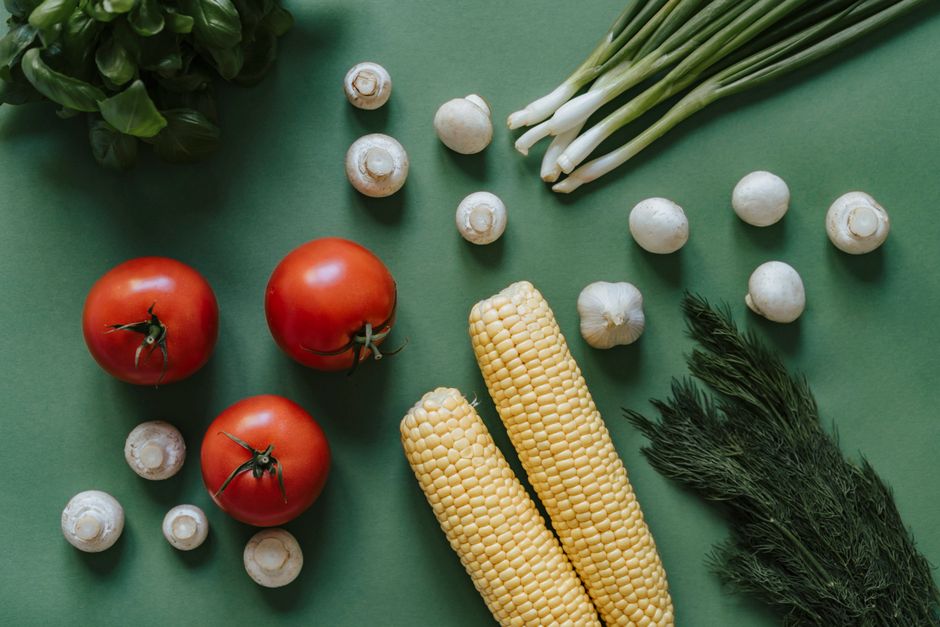
10) Green onions (scallions): Grow in shallow trays or 6 inch pots, spacing sets or seeds 1 inch apart; you can harvest stems in 30-45 days. They tolerate partial shade and are perfect for continuous sowing every 3-4 weeks for a steady supply.
General planting cadence: start seeds indoors 3-6 weeks before last frost for cool-season crops or sow directly in containers once soil warms to 60 F (16 C) for warm-season crops. Rotate heavy feeders like tomatoes and peppers out of the same pot each year or refresh the potting mix by replacing one-third of the volume with fresh mix and 1 cup (240 mL) compost per 5-gallon container.
Maintenance checklist: prune yellowed leaves weekly, pinch back 1-2 inches of leggy growth to encourage bushiness, and monitor for pests; a quick check twice weekly catches most issues early. Record harvest dates and yields for each container to plan planting intervals and avoid overplanting.
Frequently Asked Questions
Further reading: Hanging Strawberry Baskets: Setup to First Harvest · How to Grow Kitchen Herbs in Containers
Sources: UMN Extension