 Field & Home
The short answer: Low-light plants can keep a dim hallway lively with minimal fuss: choose hardy species, match pot size and soil to their root habits, water only when the top 2–3 cm of soil is dry, and rotate or supplement with 8–12 hours of artificial light when needed.
Hallway light basics
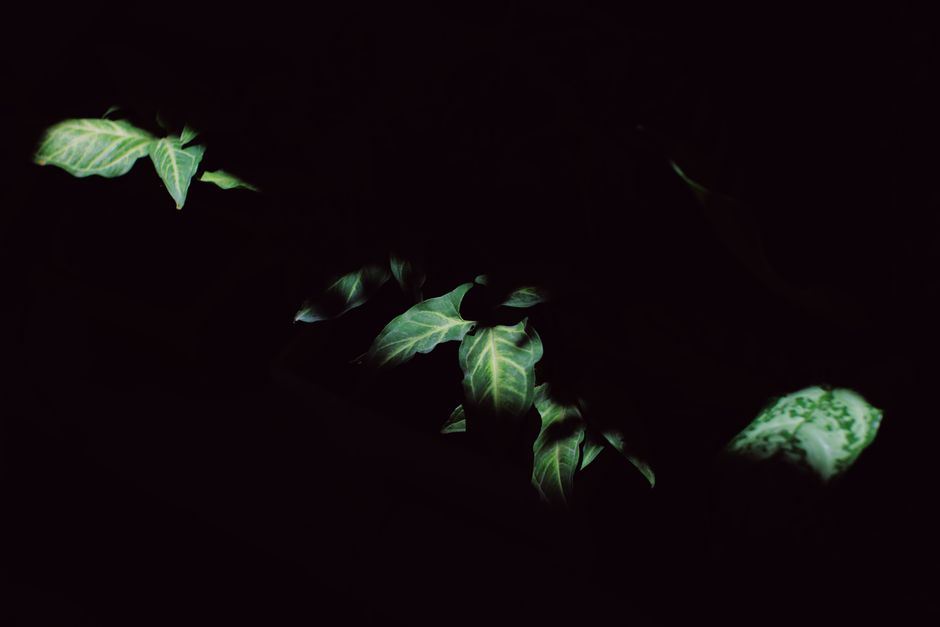
Dark hallways typically receive less than 500 lux (about 50 foot-candles) at mid-day at floor level. That qualifies as very low light for most houseplants. Before you buy, measure light with a phone app or a handheld meter; note readings near where you plan to place the pot at both morning and afternoon. If readings stay under 500–1,000 lux, pick plants rated for very low light and reduce watering frequency accordingly.
Distance from the nearest window matters: each meter (3.3 ft) away from a light source can cut usable light by roughly half, depending on obstructions. Place plants on pedestals or narrow shelves to capture more reflected light, and avoid single-sided layouts where one leaf side gets all the light—rotate pots every 2–4 weeks to keep growth balanced.
Soil and pot choices make a noticeable difference in dim conditions. Use a well-draining mix with 30–40% coarse material (perlite, pumice, or coarse sand) for most low-light species to prevent root rot from overwatering. Choose pots with drainage holes and go up one size only when the current pot is 1/3 full of roots; oversized pots hold extra moisture and increase rot risk in dark spaces.
Feeding and fertilizing should be conservative: apply a balanced liquid fertilizer at half strength every 8–12 weeks during spring and summer for plants actively growing in low light. In fall and winter, cut feeding to once every 12–16 weeks or stop entirely, since plants will use roughly 30–60% less energy when light levels drop.
How to measure usable light
Lux, distance, and feed numbers for dark hallways.
Meter morning and afternoon
Read lux at the pot morning and afternoon; under 500 to 1000 means very-low-light plants plus less water.
Rotate every 2 to 4 weeks
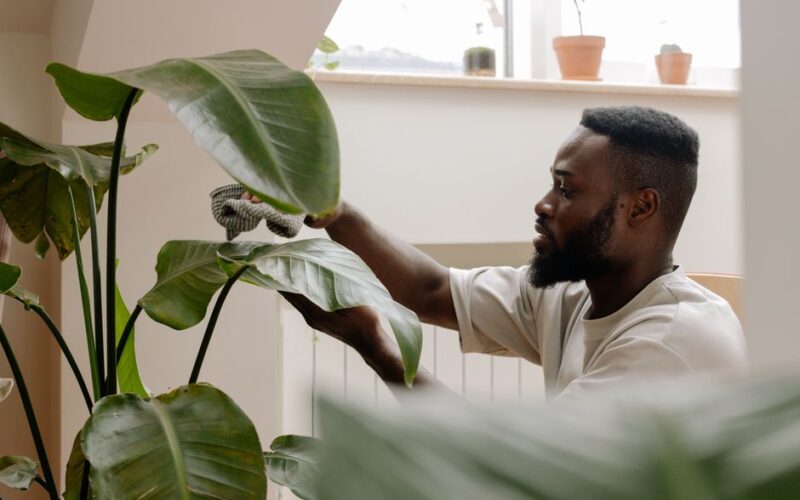
Turn pots every 2 to 4 weeks and wipe leaves monthly so one side never starves in dim corners.
Mid-day floor readings under about 500 lux mean very low light: pick rated plants only.
Thirty to 40 percent perlite or pumice stops rot when dim pots dry slowly.
In very low light water snake plants every 4 to 6 weeks after 3 cm dries.

Best plants and practical care steps
Snake plant (Sansevieria, now Dracaena trifasciata): Place 0.5–1 m (1.5–3 ft) from the nearest window or in a dark corner. Use a gritty, fast-draining mix and a 12–20 cm (5–8 in) diameter pot for a single crown. Water sparingly—about every 4–6 weeks in very low light, letting 3 cm (1 in) of soil dry between waterings. Wipe leaves with a damp cloth each month to remove dust and improve light absorption.
ZZ plant (Zamioculcas zamiifolia): Tolerates readings under 500 lux and can go 6–8 weeks between waterings in cool, dim halls. Plant in a pot one size larger than the root ball with a chunky potting mix and 20–30% perlite. If new growth slows for more than 3 months, move it within 1–2 m (3–6 ft) of a brighter spot or introduce a 10–12 hour-per-day LED grow light at 30–50 cm (12–20 in) distance.
Pothos (Epipremnum aureum): Thrives in very low light but grows slowly. Use a 12–15 cm (5–6 in) pot for a 30–45 cm (12–18 in) vine cutting, and water when the top 2 cm (about 1 in) of soil is dry—usually every 10–14 days in low light. Trim back 10–20% of long vines every 3 months to keep a neat hallway profile and encourage bushier growth.
Peace lily (Spathiphyllum): Survives in dim conditions and provides occasional blooms with 8–10 hours of indirect light; pots of 15–25 cm (6–10 in) suit mature plants. Keep soil evenly moist but never waterlogged—about every 10–14 days depending on room temperature. Expect to repot every 18–24 months into a pot 2–4 cm (1–1.5 in) larger in diameter when roots begin to show at the surface.
Cast iron plant (Aspidistra elatior): Extremely tolerant of neglect and low light. Use a heavy pot (to prevent tipping) and a loam-rich mix; water every 3–6 weeks, allowing 3 cm (1 in) of soil to dry. It prefers stable temperatures between 15–24 C (60–75 F) and benefits from a monthly misting in very dry interiors to maintain leaf condition.
Chinese evergreen (Aglaonema): Choose varieties noted for darker foliage if you expect less than 500 lux. Use a 12–18 cm (5–7 in) pot and a peat-based mix; water every 10–21 days, depending on humidity. Fertilize at half recommended strength every 8–12 weeks during the growing season to maintain color on variegated leaves.
Philodendron (Heartleaf): A trailing philodendron handles dim corridors well. Start in a 12 cm (5 in) pot and upgrade after 12–18 months as roots fill the container. Water when the top 2 cm of soil is dry—typically every 10–14 days—and provide 5–10 minutes of leaf cleaning weekly to reduce dust buildup and help the plant photosynthesize more efficiently.
Parlor palm (Chamaedorea elegans): A small palm that tolerates low light but prefers slightly higher humidity. Keep in a 20–25 cm (8–10 in) pot with a peat-rich mix and water about every 10–21 days, ensuring the top 2 cm dries between waterings. Provide a humidity tray or mist 2–3 times weekly if hallway air is dry from heating systems.
Dracaena species (e.g., D. marginata): Slow growers in low light; they perform best in pots 20–25 cm (8–10 in) across and in well-draining soil. Water every 2–4 weeks depending on light and temperature, and remove yellowing leaves promptly to reduce pest and disease risk. If you want more color, move nearer to a light source for at least 4–6 hours a day.

Frequently Asked Questions
Further reading: Why Do Container Plants Dry Out Every Afternoon? · Six Humidity-Loving Plants for Bathrooms
Sources: UMN Extension