 Field & Home
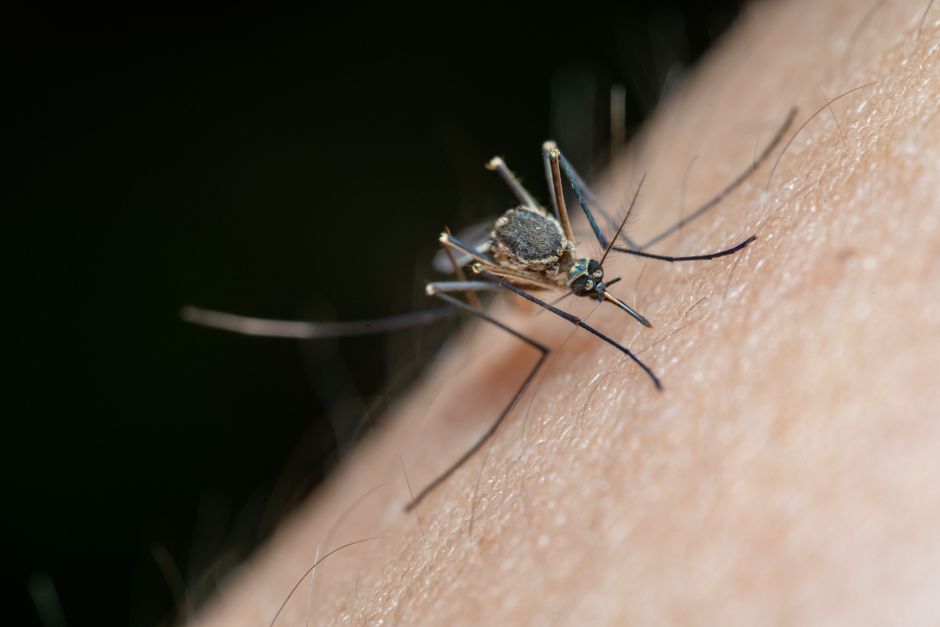
The short answer: Create a mosquito-free patio by removing standing water, increasing airflow, and using targeted non-toxic controls; you can cut mosquito activity by half within 7–14 days with consistent weekly maintenance.
Patio Mosquito Prevention Overview
Mosquitoes are attracted to standing water, sheltered resting spots, and lights that mimic dusk. A small patio can become a breeding hotspot when plant saucers, clogged gutters, or decorative bowls hold as little as 1 inch of water for 48–72 hours. Start by understanding two simple facts: females lay eggs in stagnant water, and adult mosquitoes rest in cool, shaded vegetation near the patio edge. Addressing those three areas — water, shelter, and attractants — is the foundation of a low-toxicity plan that relies on physical changes and targeted biological tools rather than broad-spectrum sprays.
This guide prioritizes interventions you can install or perform yourself: weekly inspections, measured removals, strategic plant choices, directional fans, and biological larvicides for managed water features. Expect visible reductions in biting activity after one week if you remove standing water and add 1–2 oscillating fans. Full stabilization of numbers typically takes 2 weeks as you break breeding cycles, which for most temperate-region mosquitoes is 7–14 days from egg to adult.
Key fact
Water, shelter, and timing that break the bite cycle.
Walk 10 minutes weekly
Sweep the patio plus a 10 ft perimeter weekly; tip every saucer and drill quarter-inch drains where water lingers.
Expect 1 to 2 weeks
Biting drops within a week of draining plus fans; full calm takes about 2 weeks as the 7 to 14 day cycle breaks.
Step-by-Step Patio Setup
Step 1: Inspect for standing water. Spend 10–15 minutes walking your patio and a 10 ft perimeter to look for puddles, plant saucers, clogged gutters, buckets, tarps, and toys. Empty or tip any container that holds water and store it upside down. For planter saucers, remove standing water daily or drill a 1/4-inch drainage hole and place a 1-inch layer of gravel under plants to keep soil draining.
Step 2: Manage water features safely. If you have a fountain, birdbath, or pond, change the water and scrub surfaces weekly. For small ornamental fountains, run a pump continuously; clean the pump screen and top-surface every 7 days. For decorative bowls you cannot drain, use an EPA-registered BTI larvicide labeled for drinking-water-safe use, following the label — typically one tablet or dunk per 10–20 gallons or as directed by product instructions.
Step 3: Reduce daytime and evening shelter. Trim shrubs and groundcover to open up air movement. Create a 3–5 ft cleared band of lower vegetation around the patio so adults cannot hide in dense greenery less than 2 ft from seating. Replace dense low hedges with sparser planting or gravel mulch to eliminate cool resting spots.
Step 4: Add directed airflow. Mosquitoes are weak fliers; a 20-inch oscillating fan creates enough turbulence to disrupt host-seeking. Position one fan 4–6 ft from seating and a second opposite if the patio is larger than 10×10 ft. Run fans from 30 minutes before dusk through 90 minutes after dusk during peak mosquito activity; this timing covers the 45–90 minute peak window for many species.
Step 5: Use light strategically. Switch bright white bulbs to warm LED bulbs (2700K) or amber bug lights and use downward-directed fixtures. Limit lighting to pathway-level 1–2 lux near plants and avoid leaving overhead lights on between 30 minutes before dusk and 1 hour after dusk when mosquitoes and guests overlap.
Step 6: Choose plants and repellents for perimeter control. Plant mosquito-repellent species such as lemon balm, catnip, and rosemary in pots around the patio; use 3–6 plants spaced every 3–6 ft for continuous scent coverage. For seating zones, use a combination of physical barriers (screen panels or removable netting with an 18×16 mesh per inch) and topical repellents on clothing when necessary.
Step 7: Maintain a weekly schedule. Spend 15–20 minutes each week emptying water, cleaning screens and pumps, testing fans and lights, and trimming vegetation. Log your maintenance on a simple checklist: inspect, empty, clean, trim, run fans; repeat weekly for at least 4 weeks to break breeding cycles and measure effectiveness.
Optional: traps and bait stations. If you add a trap, position it 20–30 ft away and downwind of the patio to draw mosquitoes away rather than toward people. Follow manufacturer placement guidelines and check traps every 2–3 days during peak season. Traps can reduce local adult numbers by 30–60% when combined with source reduction, but their effectiveness varies by species.
Seasonal notes: in cooler climates, do full cleanups in early spring and a final removal of standing water in late fall before frost. For hot, humid months, increase inspections to twice weekly during July and August when mosquito breeding accelerates; in those months, focus on eliminating puddles that can form after 1–2 days of rain.
“Consistent weekly checks and two fans changed everything for our patio; we saw fewer bites in about 10 days.”
—
Frequently Asked Questions
Further reading: Mulching: Suppressing Weeds Naturally · The Complete Guide to Starting a Backyard Compost Bin
Sources: National Park Service