 Field & Home
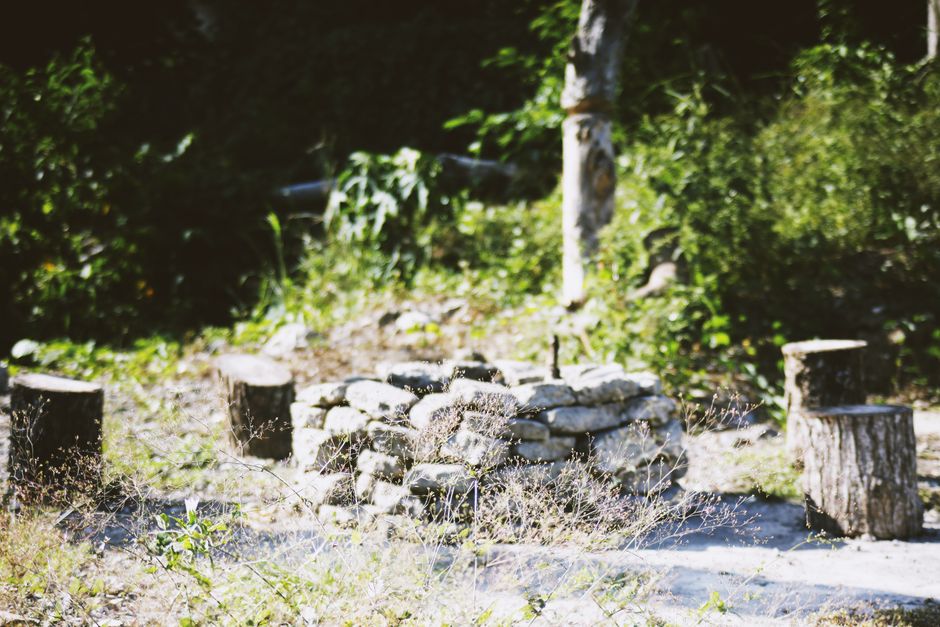
The short answer: Stone rings give stored, long-lasting heat and a permanent focal point; metal bowls offer portability and faster heat-up. Match your choice to site clearance (36–48 in.), desired permanence, and how often you change your seating layout.
Stone Rings vs Metal Bowls
Stone rings are masonry or dry-stacked fire pits set on a prepared noncombustible base. Typical finished outer diameters range from 36 to 60 inches, with inner fire bowls commonly 18 to 36 inches across. Because stone has thermal mass it absorbs flame heat and radiates it slowly; expect a stone ring to keep nearby seating notably warmer for 30–60 minutes after the flames subside.
Metal bowls—usually mild steel or cast iron—heat up faster and concentrate radiant heat close to the burning area. Standard metal bowls measure 18–30 inches in diameter and weigh between 20 and 80 pounds depending on gauge; a 12-gauge (approximately 2.5–3.0 mm) steel bowl will be noticeably heavier and more durable than a thin-shelf gauge bowl. Metal bowls cool faster, typically losing most radiant heat within 20–40 minutes after the last logs turn to coals.
Choose stone for a permanent gathering spot and for smoothing temperature swings; choose metal if you need portability, winter storage, or a temporary focal point. Stone rings demand more up-front site prep and a stable base but can last decades with periodic repointing or sealing every 2–3 years. Metal bowls require annual rust checks in wet climates and surface treatment—wire-brush and apply high-temperature paint or oil every 12 months to extend life by roughly 3–7 years on thin-gauge units.
“A stone ring creates a permanent gathering spot, while a metal bowl allows seasonal flexibility and easier storage.”
—
Materials and performance
Sizes, clearances, and care intervals for stone and steel.
Give it 10 feet
Many codes want 10 feet from structures; keep 36 to 48 inches minimum to anything combustible.
Oil steel yearly
Wire-brush and recoat metal bowls every 12 months; it adds 3 to 7 years on thin gauge. Repoint stone every 2 to 3 years.

Placement, Build, and Seating
Site selection starts with a flat area and a clear radius. Maintain 36–48 inches from the fire edge to any combustible object as a working minimum; many local codes require 10 feet from structures or overhangs for open flames, so check your municipality first. For a group layout allow a 6–8 foot diameter clear zone so chairs set 3–4 feet from the flame, or expand to 10–12 feet for sizable gatherings.
Preparing a base for a stone ring: mark your circle with a stake and string at the chosen outer diameter (for example, 48 inches). Excavate 4–6 inches of topsoil inside the circle. Compact the subgrade with a hand tamper, then add 2–3 inches of 3/4-inch crushed stone and compact again. Spread a 1-inch sand leveling bed if using pavers or set the first course of stones directly on the compacted crushed stone if stones are bedded. For mortared rings use a 1:3 cement-to-sand mortar mix and allow 24–48 hours curing before lighting the first fire.
Step-by-step dry-stacked 36–48 inch ring (approximate times): 1) mark and excavate: 30–60 minutes; 2) compact base and add crushed stone: 30–45 minutes; 3) lay first course and check level: 60–90 minutes; 4) build second course and cap stones: 60–120 minutes. A two-person team can complete the dry-stacked ring in about 4–6 hours total for a 36–48 inch fire pit.
Installing a metal bowl: clear a 24–36 inch diameter pad, compact 2–4 inches of crushed gravel, and place the bowl on a 12–24 inch diameter paver or steel plate to prevent sinking. For a semi-permanent look set the bowl in a 20–24 inch paver ring and use 1/4-inch stainless bolts in four locations spaced evenly around the bowl base; drilling and anchoring adds 30–90 minutes depending on tools and access.
Seating dimensions and layout: benches 16–18 inches high and 14–18 inches deep are comfortable for long sittings. Arrange seats 36–48 inches from the ring edge for balanced warmth and safety; for metal bowls that run hotter near the flame increase distance to 42–48 inches or use a 1/4-inch mesh spark screen. For tiered seating place a second bench 5–6 feet back as a cool buffer and to give people room to circulate.
Fuel and burn management: use seasoned hardwood split to 4–6 inch lengths and stacked off the ground for 6–12 months to dry. A 24-inch diameter wood stack built from 4–6 inch logs typically burns 1.5–3 hours depending on airflow. Maintain a shallow bed of coals and add small logs every 20–30 minutes to sustain an even flame and reduce popping sparks.
Maintenance checklist: inspect stone rings annually for loose stones and re-point mortar as needed; re-seal porous stone every 2–3 years. For metal bowls check for rust and thinning once per season; treat surface rust with a wire brush, then apply a high-temperature paint rated to at least 1200°F or a light oil finish. Replace any bowl with more than 30% material loss or through-wall cracks immediately.
Safety additions: use a 1/4-inch steel mesh spark screen for metal bowls and a 1/2-inch mesh for larger stone rings to catch embers. Keep a 5–10 pound ABC fire extinguisher and a 1–2 gallon water bucket nearby when entertaining, and never leave a fire unattended—allow embers to cool for at least 30 minutes before leaving the area.
Frequently Asked Questions
Further reading: Mulching: Suppressing Weeds Naturally · The Complete Guide to Starting a Backyard Compost Bin
Sources: National Park Service