 Field & Home

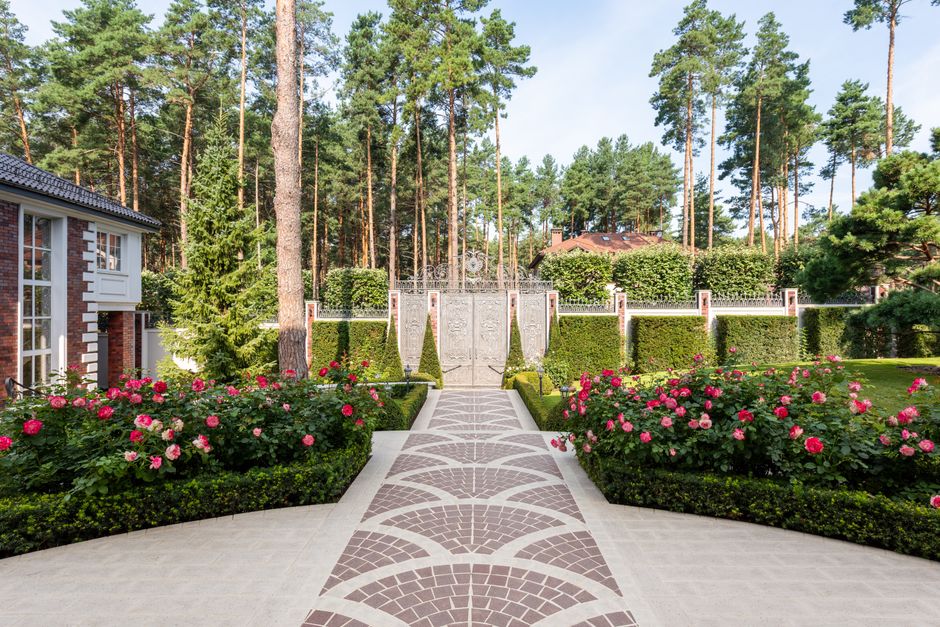
The short answer: Fast-growing hedges give the quickest privacy when you choose species that grow 2–5 ft per year, plant at recommended spacing, and follow a simple 12-month watering and pruning routine to avoid gaps and disease.
Top Fast-Growing Hedges
Below are the hedges most commonly recommended for quick privacy, with specific annual growth, mature height, spacing guidance, and a maintenance note so you can compare how speed translates to a finished screen.
Thuja ‘Green Giant’ — A hybrid arborvitae that commonly grows 3 to 5 ft per year and typically reaches 30–60 ft tall. Plant specimens 6–8 ft apart for a dense wall; for a 50 ft run, you’ll need about 7–9 plants at 6–8 ft spacing (run length divided by spacing, rounded up). Prune once per year in late spring to keep a formal face, and remove only lower branches to maintain airflow 24–36 in above grade.
Leyland Cypress — Often 3–4 ft per year and usable as a very tall screen up to 40–50 ft. Space 6–8 ft apart and plan for pruning every 6–12 months if you want to hold it at 8–12 ft; otherwise it will form a tall column and may require heavier reductions in stages over 2 seasons if you need to bring it down.
Privet (Ligustrum japonicum or L. ovalifolium) — A classic deciduous/semievergreen hedge that adds 2–3 ft per year and matures near 8–12 ft. Plant 2–4 ft apart for a dense formal hedge that fills in within 2–4 years; it tolerates hard pruning to 12–18 in stems in late winter to renew growth, but remove no more than 30–40% of live wood in a single season when possible.
Cherry Laurel (Prunus laurocerasus) — An evergreen that grows about 1.5–3 ft per year and reaches 10–20 ft. Space 4–6 ft apart for a 6–8 ft screen in roughly 3–5 years; add a 2 in layer of mulch to retain soil moisture and water transplants with 5–10 gallons weekly in the first growing season.
Clumping Bamboo (Bambusa and similar genera) — Clumping bamboos can add 2–4 ft per year vertically after establishment and commonly reach 10–20 ft. Plant clumping varieties 3–6 ft apart; install a 24–30 in root barrier if you must limit lateral spread and cut out older 2–3 year-old canes each winter to renew the stand.
Photinia x fraseri — A semi-evergreen useful for a colorful screen, growing 2–3 ft per year to 12–15 ft. Space 4–6 ft apart; trim in early spring after bloom to control height to 6–8 ft and encourage new red leaves. Expect to remove 10–20% of growth annually to keep the glossy new foliage prominent.
Hornbeam (Carpinus betulus) — A deciduous formal hedge that grows 1.5–2.5 ft per year and tolerates very tight clipping to form a dense 10–20 ft screen. Plant 2–3 ft apart for a clipped wall; prune twice yearly in spring and midsummer and expect a dense privacy barrier within 4–6 years with consistent shearing.
“Choose a hedge that fits the long-term height you want; a plant that grows 3 ft per year will reach 9 ft in about 3 years under good conditions.”
—
Planting and Care Guide
Choose species based on the mature height you want and how much maintenance you can commit to. For a 6–8 ft privacy screen pick species that grow at least 2 ft per year and plant them 3–6 ft apart depending on canopy spread: closer spacing closes gaps faster but increases pruning and disease management needs.
Site prep step 1: measure sunlight and drainage. Dig a 12 in deep test hole and fill it with water; if the water drains within 1–2 hours the soil has adequate drainage. If it still holds water after 6 hours, consider raising the bed by 6–12 in or choose more water-tolerant species.
Site prep step 2: sizing the planting hole and soil amendment. Dig a hole 2–3 times the width of the root ball and about the same depth so the crown sits level with surrounding grade. Mix native soil with up to 20% compost by volume—about 1 cubic foot of compost per typical 8–12 in root ball—to improve structure and nutrient availability without suffocating roots.
Planting math: for a linear run, divide the total run length in feet by your chosen spacing in feet and round up to the next whole plant. Example: a 40 ft run at 5 ft spacing needs 8 plants (40 / 5 = 8). Stagger shorter spacings where you want faster screening, and leave 2–3 ft clearance from property lines or structures for root and crown growth.
Watering schedule: newly planted hedges need 5–10 gallons per plant once per week for the first 12 months, increasing to twice per week during hot, dry spells. If you install drip irrigation, use one or two 1–2 gph emitters per plant and run them for 30–60 minutes per session; that delivers roughly 0.5–2 gallons per watering depending on flow and time.
Mulch and fertilizing: apply 2–3 in of organic mulch, keeping it 2 in away from trunks to prevent collar rot; mulch reduces watering frequency by about 30% in summer. In early spring apply a balanced slow-release fertilizer at the rate of 1 lb per 100 sq ft of bed area; if growth is slow after year one, add a second light feeding in mid-spring at half the initial rate.
Pruning schedule and technique: formal evergreens benefit from a hard trim in late spring and a light shaping in midsummer. Deciduous hedges should have a major cut in late winter (February–March) before bud break and a midseason trim in July to control height. When reducing an overgrown hedge, remove no more than 30–40% of live foliage in a single season or stagger big cuts over two years to avoid weakening the plants.
Pests, disease, and monitoring: check hedges weekly for the first two growing seasons, looking for scale, mites, fungal leaf spots, or cankered branches. Treat localized outbreaks within 7–14 days with targeted pruning and horticultural oil or fungicide per label directions; improving airflow by spacing at planting and annual thinning prevents most problems.
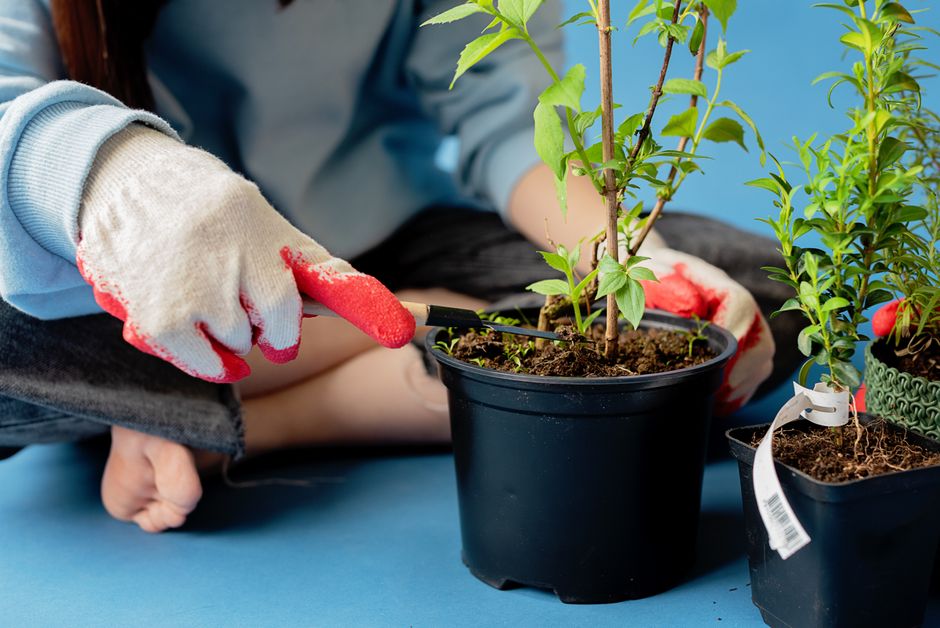
Tools and timing: keep a pair of bypass pruners, long-handled loppers, a hedge shear, and a pole pruner for tall specimens. Time heavy structural cuts in late winter when woody tissue is dormant, and use hand shears for light shaping after new growth hardens off in midsummer.
Frequently Asked Questions
Further reading: Mulching: Suppressing Weeds Naturally · The Complete Guide to Starting a Backyard Compost Bin
Sources: National Park Service