 Field & Home

The short answer: Switch to breathable, reusable wraps and shallow containers, keep fridge temperature steady at 34-38 F, and rewrap cheeses after each use to extend life by 1–3 weeks without single-use plastic.
Why plastic fails
Plastic cling film and zip-top bags trap moisture and odors, which speeds spoilage for both soft and hard cheeses. Moisture build-up encourages surface mold on soft cheeses within 2 to 7 days after being cut, while hard cheeses can develop off-flavors and chalky textures when they sit in a sealed, humid microclimate for more than a week.
Cheeses are living foods that respire and need a degree of breathability. Natural-rind and aged cheeses tolerate less oxygen but still benefit from a micro-environment that can release excess moisture. Sealing them completely blocks that exchange and concentrates ammonia and other compounds that taste bitter.
Single-use plastics also make it hard to check the cheese visually without unwrapping and rewrapping, which creates handling damage and shortens life. Switching to reusable wraps or dedicated containers reduces handling and the number of times you expose the cut surface to air.
Practical storage is about three things: a breathable barrier, a stable cold temperature, and a way to separate cheeses to avoid flavor transfer. Together those lower waste and keep cheese enjoyable for 7 to 21 days, depending on type.
Hold cheese between 34 and 38 degrees; colder mutes flavor, warmer grows mold.
Cut slices half an inch to a full inch thick so portions breathe without drying.
Most cheeses keep 7 to 21 days by type; soft goes first, hard lasts longest.

Wrap and store: step-by-step
Gather materials before you cut: a clean cutting board, a knife, your chosen wrap (beeswax, parchment, or clean cheese paper), and a shallow container if you prefer. For beeswax wraps pick a size that matches the piece: an 8×10 inch wrap fits wedges up to 6 inches long; for whole rounds use a 12×12 inch sheet.
Cut cheese into single-serving or meal-sized pieces to minimize repeated exposure. Aim for slices or wedges about 1/2 to 1 inch thick (1.25–2.5 cm); that size both chills quickly and limits the surface area that sees air. When you cut, trim any dried or heavily oily edges rather than leaving them intact.
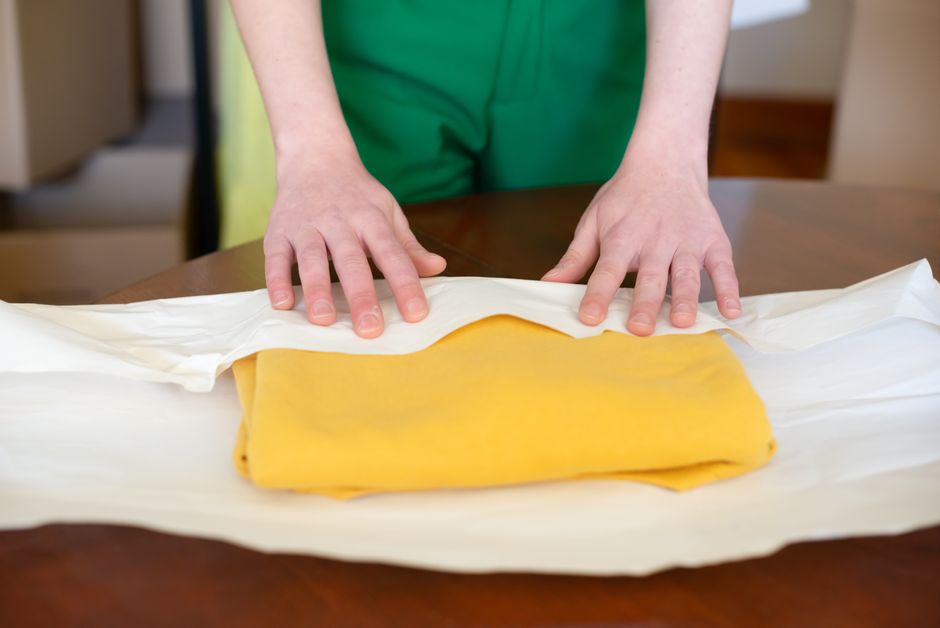
Wrap method A — beeswax or cloth wrap: lay the wrap on the board, place cheese in the center, fold edges over to cover, and use body heat (hands) to seal the wrap around the cheese. Store seam-side down in the fridge so the seam acts like a drip edge. Wash the wrap in cool water after use and allow it to air dry; expect 6 to 12 months of life with regular care.
Wrap method B — parchment then foil: first wrap the cheese in parchment paper, folding loosely so the cheese can breathe. Then place that in a loose sleeve of aluminum foil to protect from odors and light. The parchment controls moisture exchange while foil blocks transfer of strong smells. Rewrap the cheese in fresh parchment every 3 to 5 days if you use this method.
Container method — glass or shallow plastic: put the wrapped cheese in a shallow container with a lid left ajar by one side, or with a folded paper towel under the lid to keep humidity steady. Use containers that leave 1/2 to 1 inch of airspace above the cheese to avoid crushing. Glass is easiest to clean and does not retain odors.
Placement in the fridge matters: store cheese on a middle shelf or in the vegetable crisper if it has a humidity slider. Aim for a steady fridge temperature of 34 to 38 F (1 to 3 C). Avoid the very back or the door where temperatures swing more than 2 to 4 degrees and shorten shelf life.
Label each piece with date cut and cheese type using a small piece of masking tape or a erasable marker on your container. This simple step cuts food waste: discard or cook cheeses you cut more than the recommended time for their category (see below) rather than letting them sit until mold overtakes the entire piece.
Storage times vary: fresh soft cheeses like chèvre or ricotta should be used within 3 to 7 days after opening; semi-soft cheeses like Havarti or Brie last about 7 to 10 days; hard cheeses such as cheddar, Parmesan, or aged Gouda can keep for 2 to 4 weeks when properly wrapped and refrigerated. Always trust smell and appearance: a single small spot of surface mold on a hard cheese can be cut away with a 1-inch margin, while soft cheeses with mold should be discarded.
When you plan to freeze, grate hard cheeses and freeze in 1-cup portions inside a freezer bag or rigid container to limit air exposure; soft cheeses do not freeze well. Grated hard cheese will keep 2 to 3 months in the freezer with minimal texture loss.
Frequently Asked Questions
Further reading: How to Seal Jars to Keep Pantry Pests Out · How to Store Fresh Berries So They Last a Full Week
Sources: FoodSafety.gov


