 Field & Home

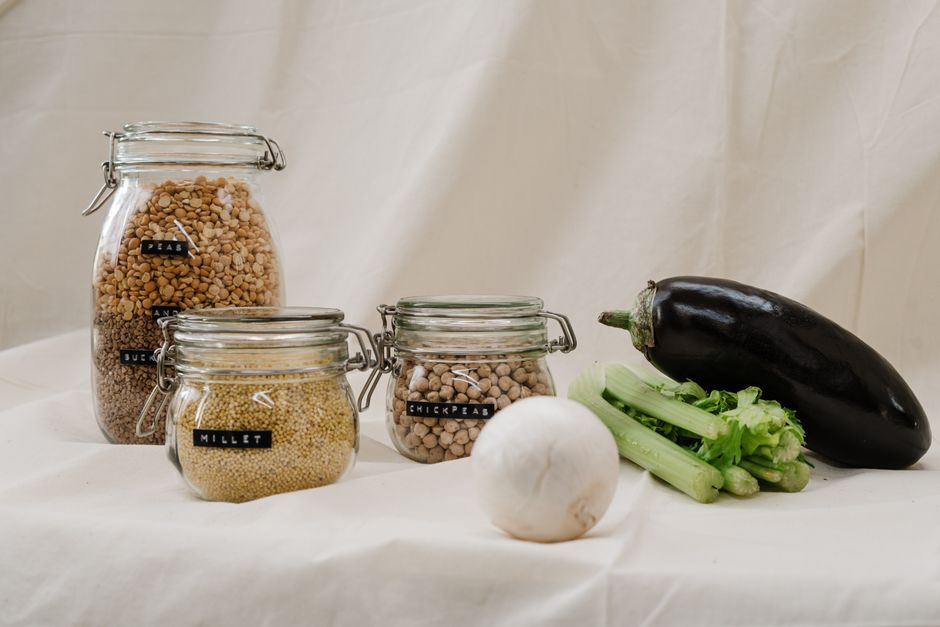
The short answer: Track pantry inventory weekly and you can cut grocery waste by roughly 30% while saving about 10–15 minutes per shopping trip.
Prepare and map your pantry
Start with a one‑hour deep inventory so you and your household know exactly what you have. Set a timer for 60 minutes, clear a workspace, and have a notepad or laptop ready. Work shelf by shelf: remove items, check expiration or best‑by dates, and list each item with quantity and unit size (for example, 2 cans of 15 oz tomatoes, 1 bag 16 oz dried lentils). For packaged goods note the remaining weight or volume when practical—write 250 g of rice left rather than just “rice”. This level of detail makes later purchasing decisions concrete instead of vague.
While you empty shelves, measure spaces and containers. Use a tape measure: note shelf depth and height in inches (for example, 12 in deep by 10 in tall). Measure common container sizes so you know what will fit when you transfer items: a standard wide‑mouth jar is often 1.2 L, a quart jar is about 0.95 L, and a typical cereal canister is roughly 2.5 L. Recording these dimensions helps when you buy uniform storage and set up visual cues for one‑third or two‑thirds full thresholds.
Map the layout. Draw a simple sketch on a sheet or in a spreadsheet: top shelf, middle shelf, bottom shelf, drawer A, drawer B. Assign categories to zones—baking, canned goods, grains, snacks—and list the primary items in each zone. A clear map reduces search time by about 40%, because you and other household members always know where to return an item.
Tracking and rotating stock cuts waste by roughly 30 percent over six months Set aside 10 to 15 minutes each week for a quick inventory check and shopping list update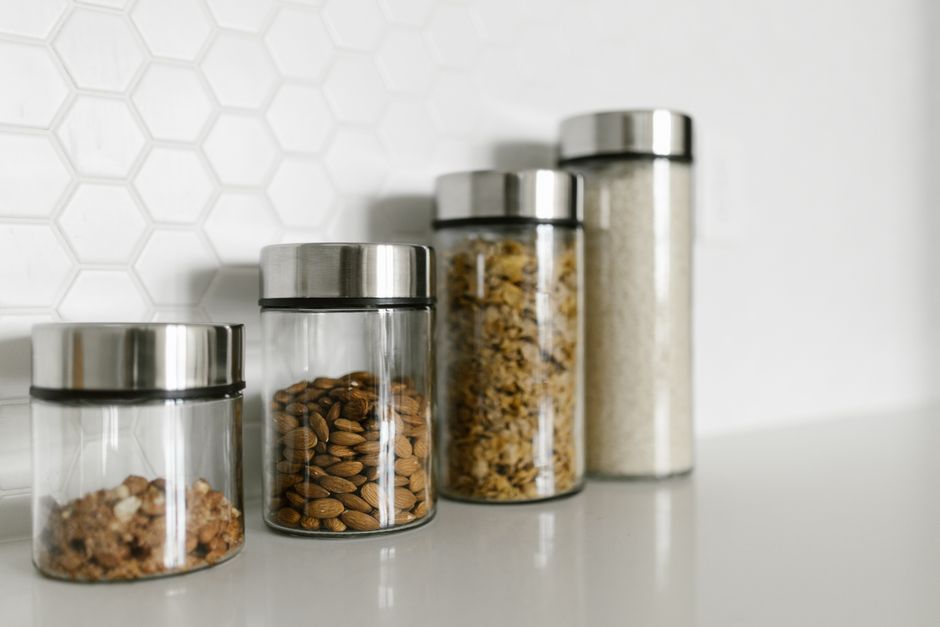
Maintain and review inventory
Choose a tracking method that fits your routine. Paper and pen work well if you prefer tactile lists: keep a clipboard near the pantry, write items as you open packages, and cross off quantities used. A spreadsheet gives you flexibility for quantities and automatic totals—create columns for item name, quantity, unit size, location, and next use‑by date, and add a formula that sums quantities of staples so you know at a glance whether to reorder. Apps that sync across phones are ideal for households with multiple shoppers; commit to one app and standardize categories so everyone uses the same names.
Adopt a FIFO (first in, first out) rotation for opened goods. Move newly bought items behind older ones on the shelf; for boxed or bagged goods consider labeling the buy date on the back edge with a 1/2 in x 1 in label so the oldest items are visible. If you have perishable staples like nuts or opened grains, note the opened date and plan to use them within 90 days for quality. Rotating stock prevents waste and keeps freshness consistent.
Create a simple reorder trigger using quantities or visible container levels. A practical rule: when a container is one‑third full, add that item to the shopping list. For packaged goods, set numeric thresholds—for example, reorder canned tomatoes when fewer than 6 cans remain, or reorder coffee when you have under 250 g left. These specific triggers reduce impulse buys and last‑minute runs to the store.
Make your shopping list actionable. Convert the inventory snapshot into a trip plan: group items by store section (produce, dairy, dry goods), add quantities (3 lbs of apples, 2 x 16 oz milk), and include the unit or size. Limiting trips and knowing exact sizes you need prevents buying duplicates. Aim to shop with a complete list at least once every 7–14 days depending on household size and perishability.
Use clear containers and consistent labeling to speed visual checks. Choose stackable airtight containers in sizes that match your measured shelf dimensions—common choices are 1 L, 2 L, and 4 L. Label each container with content and net weight or count, for example “Oats — 1.2 kg”. Labels that include a use‑by or opened date help during the weekly 10–15 minute review.
When you find items past the best‑by date, decide quickly: if still safe, plan to use within 3 days; otherwise discard. Keep a small basket labeled “Use within 3 days” on a prominent shelf for items with approaching dates. This visible nudge increases the chance you will cook those items and reduces the proportion of food thrown away on cleanup days.
Assign a household cadence: one person does the deep inventory every 6 months, while weekly checks rotate among members. For example, adult A does the monthly restock check on week 1, adult B updates the shopping list week 2, and so on. Concrete assignments remove ambiguity and make the system durable.

Frequently Asked Questions
Further reading: When Have Pantry Spices Lost Their Potency? · How to Seal Jars to Keep Pantry Pests Out
Sources: FoodSafety.gov