 Field & Home
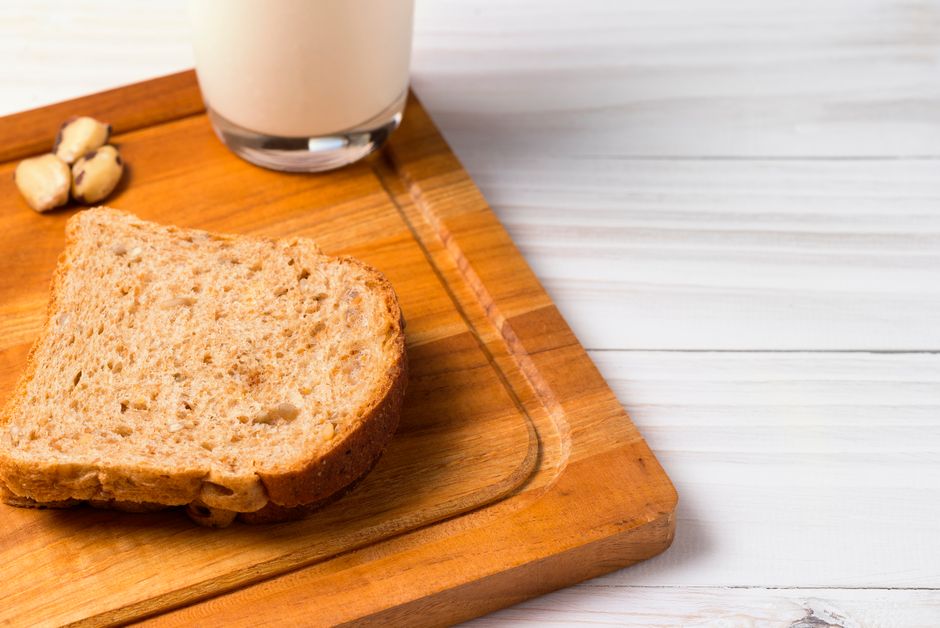
The short answer: Freeze sliced bread and properly wrapped butter for best results; expect good quality for about 3 months for most breads and 4–6 months for butter and hard cheeses. Thawing method and portioning determine whether texture recovers.
What Freezes Well: Bread
Slice loaves to 1/2–1 inch (12–25 mm) thickness before freezing so you can remove only what you need. Thinner slices thaw faster and toast more evenly; keep sandwich slices around 1/2 inch and artisan slices up to 1 inch for toasting.
Wrap each stack of 4–8 slices in a single layer tightly in plastic wrap or folded parchment, then slide into a heavy-duty freezer bag and press out air until the bag holds a flat profile. For whole small loaves or rolls, freeze in a single layer on a tray for 1–2 hours until firm, then stack with parchment between pieces and bag to save space and prevent crushing.
Vacuum sealing extends peak quality by roughly 1 month compared with hand-sealed bags; if you vacuum-seal, set the machine to gentle mode for softer breads to avoid compressing the crumb. Label each package with the baking or purchase date and use-by month; a clear schedule is: fresh-baked or store loaf, best within 3 months at 0°F (-18°C).
To reheat single slices, toast from frozen for 2–4 minutes on medium-high depending on slice thickness. For an entire loaf, thaw wrapped in the refrigerator for 6–12 hours or at room temperature for 2–3 hours, then refresh on a rack in a 350°F (180°C) oven for 8–12 minutes to revive crust and crumb.
For recipes like French toast or bread pudding, use frozen cubes: cut into 3/4-inch (18 mm) cubes, freeze on a tray 1–2 hours, then bag. Cubes defrost quickly in batter and absorb moisture evenly, reducing sogginess and keeping cook times within expected ranges.
Bread
- Cubes freeze best: 3/4-inch pieces
- Best for: French toast and puddings
- Tray-freeze 1–2 hours, then bag
Dairy
- Butter freezes easiest in foil
- Best for: portioned cooking
- Portion 1-tablespoon pieces first
Packaging checklist
Portion, wrap, and label for the freezer.
Bag after freezing
Freeze cubes and portions on a tray first, then bag; bagging wet-fresh food first guarantees one solid clump.
Label with month
Write contents plus the freeze month on every bag; frozen dairy all looks identical by month three.
“Freezing is preservation, not magic: how you package food and how you thaw it determine whether texture recovers.”
—
Dairy That Survives Freezing
Dairy behaves differently because water and fat separate on freezing. Butter is the easiest: keep sticks in their foil, double-bag in a freezer bag or vacuum-seal, and portion into 1-tablespoon (15 g) pats on a tray if you use small measures. Properly wrapped butter keeps best quality for 4–6 months at 0°F (-18°C).
Portioning butter: cut sticks into quarters or tablespoons, arrange on a parchment-lined tray until firm (about 30–45 minutes), then bag or vacuum-seal. This lets you remove exactly 1 tablespoon (15 g) or 1 ounce (28 g) portions without thawing the whole stick.
Hard cheeses like cheddar or parmesan freeze well if shredded or cut into 1-inch (25 mm) cubes; this reduces surface moisture and makes them ready-to-use for melting. Freeze in 1-cup (about 100 g shredded) portions and plan on 4–6 months of good quality—use thawed shredded cheese immediately in cooked dishes.
Soft cheeses (brie, fresh goat cheese) separate and become grainy; freeze only when you intend to cook with them. Freeze soft cheeses in 4–8 ounce (115–225 g) portions and use within 1–2 months; incorporate thawed soft cheese into sauces or baked dishes where texture changes are masked.
Milk freezes with some separation. Leave 1 inch (2.5 cm) headspace in bottles or cartons for expansion and freeze in 1- or 2-cup (240–480 ml) portions for quick thawing. Thaw in the refrigerator — allow about 24 hours per quart (1 L) — shake well before use, and consume within 3 days of thawing; do not refreeze.
Yogurt and sour cream become grainy; freeze in 1-cup (240 ml) containers if you plan to use them in smoothies or baked goods. Stir thawed yogurt vigorously to recombine; use within 2 months for best results when cooked or blended.
Heavy cream can be frozen for 2–3 months but often loses whipping volume. Thawed cream typically whips to about 60–80% of original volume; if a recipe calls for 1 cup of whipped cream, plan on freezing 1 1/4 to 1 2/3 cups of liquid cream to achieve comparable whipped volume after thawing and beating.
Quick-freeze tips: cool dairy to refrigerator temperature (about 2 hours) before transferring to the coldest shelf; using the coldest part of the freezer for the first 1–2 hours reduces ice crystal size and preserves texture. Label with freeze date and rotate older items forward so you use products within recommended windows.
Plan portions to avoid waste: keep milk and cream in 1-cup (240 ml) portions and butter in 1-tablespoon (15 g) pats so you defrost only what you need. When incorporating thawed dairy into recipes, allow 15–30 minutes for refrigerator-thawed items to come to near room temperature for even blending; for 1-cup (240 ml) yogurt used in a batter, whisk for about 30 seconds to smooth texture. If using thawed cream in a sauce, heat gently over low for 3–5 minutes while whisking to recombine fats and water before adding to the finished dish.

Frequently Asked Questions
Further reading: Bread Storage: Crunchy Crust vs Soft Crumb Methods · How to Rotate Stored Food So Nothing Expires Unnoticed
Sources: FoodSafety.gov