 Field & Home
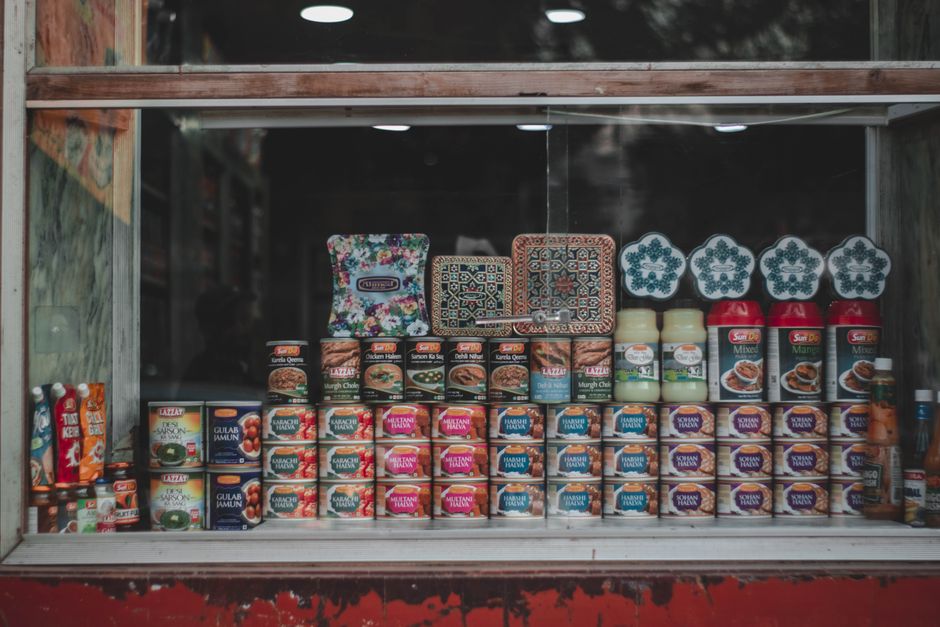
The short answer: Rotate stored food with a simple FIFO habit: label, date, and place newest items behind older ones. A 5-minute weekly check and a 30-minute monthly inventory keep most foods from expiring unnoticed.
Plan your rotation system
Start by deciding which storage zones you use: pantry shelves, fridge shelves, and freezer compartments. Map these physically with a pencil sketch or a quick photo on your phone so you know where staples live; typical homes have 3 pantry shelves, 2 fridge shelves, and 1 freezer drawer per person. Clear out any expired items first so you start from a clean baseline.
Create simple labels: product, opened date, and use-by or best-by date written as MM/DD/YYYY. Use a permanent marker and masking tape or pre-printed sticker labels about 1 inch by 2 inches; keep one marker in the pantry area. Labeling takes about 10 to 30 seconds per item and pays for itself by avoiding a single spoiled jar.
Adopt a FIFO (first in, first out) rule: newly purchased items go behind older ones. For boxes and cans, move the new box to the back of the shelf immediately after unpacking groceries; for bulk bags, repackage small, dated portions into clear, stackable containers.
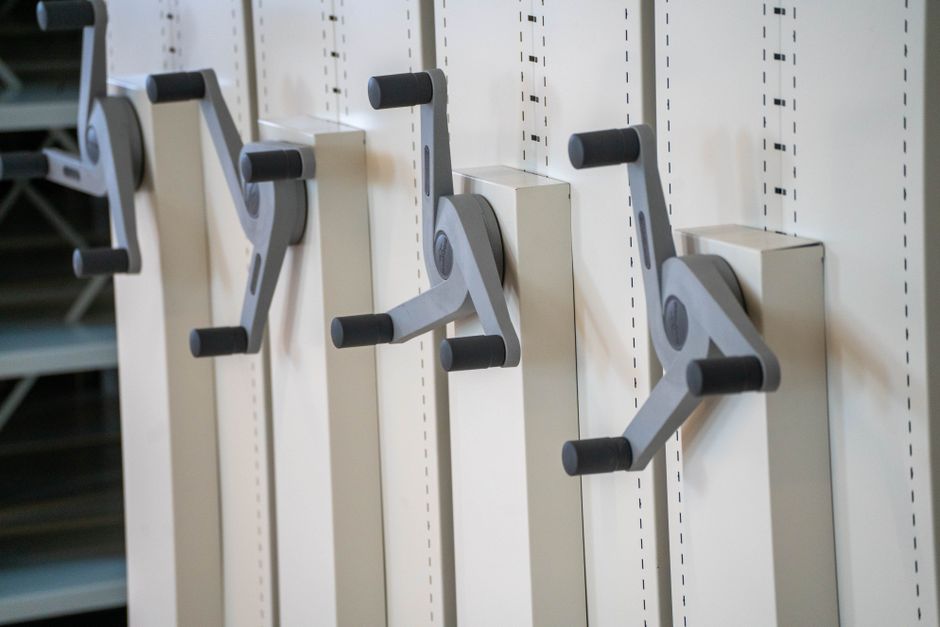
Practical rotation steps and how to execute them
Step 1: Empty one shelf at a time. Working in 10- to 20-minute blocks, remove everything from a single shelf, wipe it with a damp cloth, and sort items into keep, use soon, donate, or toss piles. This focused approach prevents the task from ballooning into a full-day project.
Step 2: Date everything when opened. For boxed goods like cereal, mark the opened date; for canned goods, note the purchase date if the best-by date is far out. For bulk grains or flour, repack into airtight containers with a 1 to 2 cup measurement label if you frequently pour by scoop; this helps you estimate how long a bag will last based on household consumption rates.
Step 3: Repackage large quantities into smaller, uniform containers. If you buy a 5 pound bag of rice, divide it into five 1-pound jars or screw-top containers labeled with the opened date. Smaller containers are emptied faster and reduce the chance of spoilage from repeated air exposure.
Step 4: Place newer items behind older ones and form natural fronts on shelves. If shelf depth is deep, use a shallow tray or pull-out bin so older items stay at the very front. For jars and bottles, create a 2-inch front lip using a small riser so the first row is obvious and accessible.
Step 5: Use visible cues for items that must be consumed soon. Attach a bright-colored sticker or a strip of washi tape to anything that should be used within 7 days, such as opened nut butters, soft cheeses, or leftover sauces. Reserve one narrow shelf for ‘use within 7 days’ items and check it every 3 days.
Step 6: Maintain freezer rotation by creating dated flat packs. Freeze soups, stews, and cooked grains in 1- to 2-cup flat freezer bags labeled with the freeze date. Flat packs stack vertically like files and thaw in 12 to 24 hours in the fridge, making it simple to pull the oldest pack first.
Step 7: Schedule quick checks. Spend 5 minutes each week scanning shelves and the fridge to pull items that need to be used in the next 7 days. Every 30 days, do a 20- to 40-minute inventory where you record counts of staples (rice, pasta, canned tomatoes) and note items to consume in the coming month.
Step 8: Rotate by recipe planning. When you make a weekly meal plan, intentionally use 2 to 3 items near their use-by window. For example, if you have two jars of tomato sauce one dated 2 months earlier and one new, plan meals that use the older jar within 3 to 5 days.
Step 9: Manage bulk purchases by splitting frequency. If you buy bulk beans that would otherwise sit for 9 months, freeze 25% of the bag in dated resealable bags and keep 75% in the pantry—this staggers shelf life and reduces single-point spoilage.
“Rotate stored food with small habits: date, move, and check. Small time inputs prevent large waste outputs.”
—
Special cases and timing rules
Perishable refrigerated items: Dairy and soft cheeses should be used within 7 to 14 days after opening; mark the opened date and set a calendar reminder for day 7. Hard cheeses and unopened dairy often last longer, but still follow the dated system.
Canned and dry goods: Most canned vegetables and beans keep 2 to 5 years unopened, but once you open a can transfer leftovers to a lidded container and use within 3 to 4 days. Dry pasta and rice often last 1 to 2 years if stored cool and dry; after opening, expect 12 months of optimal quality.
Frozen prepared foods: Label with the freeze date and plan to use within 6 to 12 months for best texture and flavor; record the portion size in cups or ounces to match your common recipes and avoid partial-thaw waste.

Frequently Asked Questions
Further reading: How to Arrange Canned Goods for Maximum Shelf Visibility · The Four-Day Leftover Rule Explained
Sources: FoodSafety.gov


2 responses