 Field & Home

The short answer: Use one Sunday roast to make three distinct meals: the roast itself, a fast lunch, and a warmed-up dinner. Cool to fridge-safe temperature within 2 hours, portion into shallow containers, and follow three step-by-step recipes to keep texture and flavor.
Plan Your Roast
Start by choosing a joint size that matches your goals. Aim for roughly 500 to 600 g (1.1 to 1.3 lb) raw meat per adult if you want generous first-day portions plus leftovers. For a family of four planning three meals, a 2.5 kg (5.5 lb) joint or a 3 kg (6.6 lb) whole chicken gives a good balance of plated portions and trimmings for later dishes.
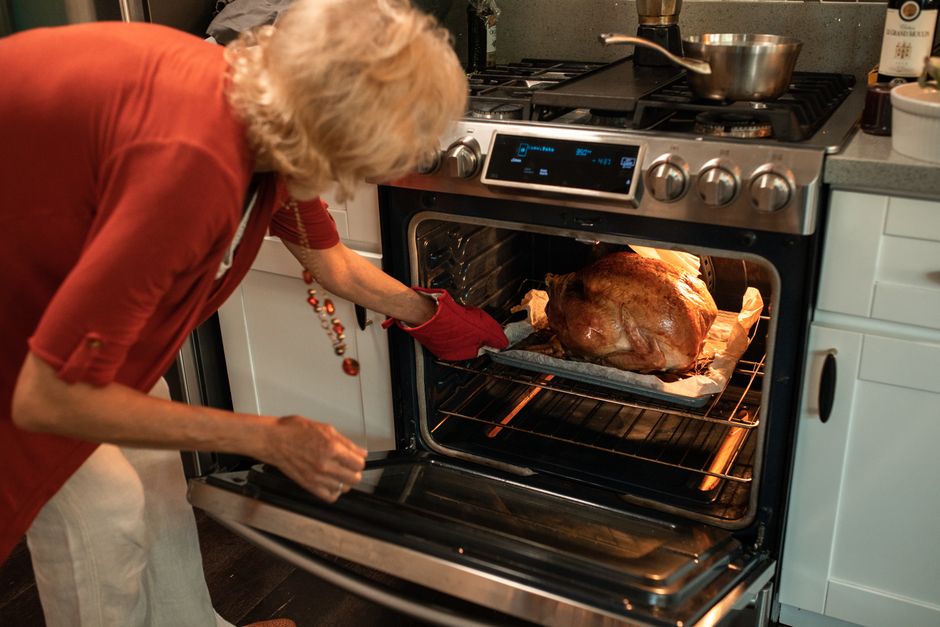
Set expectations for cook and rest times to protect both texture and food safety. Use a convection oven setting if you have it — reduce temperature by about 10 to 15 C and shorten time by roughly 10%. As a baseline, roast beef at 180 C (360 F) for about 20 minutes per 500 g for medium-rare, then rest 20 minutes under foil; pork at 180 C for about 25 minutes per 500 g and rest 15 minutes; whole chicken at 200 C (400 F) for 40 minutes per kg plus 10 minutes rest. Always confirm with an instant-read thermometer: target 55 to 60 C (130 to 140 F) for medium beef, 70 C (160 F) for pork, and 75 C (165 F) for poultry before resting.
Carve with reuse in mind. Divide the cooked yield roughly into three pools: 50 to 60% for plated Sunday portions, 20 to 25% reserved for quick lunches, and 15 to 25% for a casserole or fried rice. For sandwiches slice 3 to 5 mm thick; for salads or fried rice cut into 1 to 2 cm pieces so they reheat quickly. Save fatty trimmings and smaller pieces for gravies and sauces where reheating is gentler.
Label and portion before cooling fully: place slices in single layers on shallow trays no more than 2 to 3 cm deep to cool faster, then transfer to airtight containers within 2 hours. Use clear labels with date and a simple portion size (for example: Lunch x2, Dinner pie x4) so you can pull exactly what you need on busy weekdays.
Leftover safety
Cool fast, label clearly, rotate first.
Cool shallow and fast
Spread slices in single layers on shallow trays no more than 2 to 3 cm deep so they chill before bacteria wakes.
Label everything
Write contents plus the Sunday date on every container; first in, first out beats sniff tests every time.
Three Simple Recipes
Meal 1: The Sunday Plate. Carve and serve the roast hot with fresh vegetables and gravy. Keep the biggest, juiciest slices for plates (about 50 to 60% of the cooked meat). To make gravy from drippings: pour off excess fat leaving 1 to 2 tablespoons, deglaze the roasting pan over medium heat with 250 ml (1 cup) stock, scrape browned bits for 1 to 2 minutes, whisk in 15 g (1 tbsp) plain flour, simmer 3 to 5 minutes until thickened, then season to taste. Serve immediately and refrigerate any leftovers within 2 hours in shallow containers.
Meal 2: Fast Lunch — Open-Face Sandwich or Salad. Reserve about 150 to 200 g of chilled roast for two servings. Open-face sandwich method: toast two 80 g slices of rustic bread, spread 1 tbsp mustard-mayo (ratio 1:2 mustard to mayo), layer 75 to 100 g thinly sliced roast, add 50 g quick-pickled onions (slice onion thinly and soak in 60 ml vinegar plus 1 tsp sugar for 15 minutes), and top with a handful (about 20 g) of peppery leaves. For a salad bowl: shred 150 g roast meat, toss with 75 g mixed leaves, 60 g cooked grains (measured cooked weight), 1 tbsp olive oil and 1 tbsp lemon juice. Both options take 10 to 15 minutes to assemble and keep well refrigerated for up to 24 hours before serving cold.
Meal 3: Hearty Third-Day Dinner — two reliable options with timings and pan sizes included. Option A: Roast Beef Pot Pie (serves 4). Preheat oven to 200 C (400 F). In a 20 cm (8-inch) skillet, sweat 1 diced onion and 2 diced carrots in 30 g butter for 6 minutes. Add 250 to 350 g chopped roast, 120 ml beef stock, and simmer 4 to 5 minutes. Stir in 15 g flour, then 60 ml cream and 1 tbsp Worcestershire, simmer until thick (about 3 minutes). Transfer to a 20 cm pie dish, top with a 25 cm square puff pastry sheet trimmed to fit, brush with 1 beaten egg, and bake 25 to 30 minutes until golden. Allow to rest 10 minutes before serving. This uses roughly 300 to 400 g leftover meat.
Option B: Quick Fried Rice (serves 3). Use a 25 to 28 cm (10 to 11-inch) wok or large pan. Heat 1 tbsp neutral oil for 1 minute, add 1 beaten egg and scramble quickly, remove. Add another 1 tbsp oil, stir-fry 150 g diced roast and 1 cup cold cooked rice (about 200 g) for 3 to 4 minutes. Add 2 tbsp soy sauce and the scrambled egg, toss in 75 g frozen peas, and finish with 1 tsp sesame oil. Total cook time is 6 to 8 minutes; this method keeps small pieces moist and avoids overcooking larger slabs of meat.
Reheating rules: reheat to an internal temperature of at least 74 C (165 F) for 1 to 2 minutes before serving. Oven reheating in a covered dish at 180 C (350 F) for 10 to 15 minutes works well for pies and casseroles. For microwave reheating, cut meat into 2 to 3 cm pieces and heat on high for 3 to 4 minutes, stirring halfway to ensure even heating. Always check centre temperature with an instant-read thermometer.

Frequently Asked Questions
Further reading: 7 School Lunch Preps You Can Do on Sunday · How to Plan Five Weeknight Dinners in Twenty Minutes
Sources: FoodSafety.gov