 Field & Home


The short answer: Plan five weeknight dinners in twenty minutes using a repeatable template: pick proteins, sides, and methods, batch one component, and write a single, organized shopping list.
Set a weekly dinner plan
Start with a compact template that covers five nights: Protein, Grain or Starch, Vegetable, and Cooking Method. Choose one protein type per night (for example: chicken breast, canned beans, ground turkey, salmon fillets, tofu) and pair it with a simple starch (2 cups cooked rice, one 12-inch sheet pan potatoes, two slices of bread, one 9-inch pasta portion). Assign a vegetable or salad for each night that can be roasted, steamed, or served raw. The template reduces decision fatigue and makes the 20-minute planning sprint fast and reliable.
Open your pantry and fridge and note staples you already have: olive oil, canned tomatoes, 1 cup dried pasta, 2 cups rice, one 15-ounce can of beans, 1 loaf bread. Count actual quantities so you know whether to buy one or two items. This inventory step should take 3 to 5 minutes and prevents duplicate purchases.
Use themes to streamline variety: two nights of quick skillet meals, one sheet-pan night, one pasta night, and one slow-simmer or salad night. A theme lets you reuse methods and equipment and plan a single batch-cooking action. For example, a sheet-pan night can serve two meals across the week if you roast double the veggies and portion half for a salad topping later.
Allocate roles for each meal so you can plan prep time. Write down expected active time per meal: 10 minutes for salads or sandwiches, 15 minutes for skillet meals, 30 minutes for sheet-pan or oven-baked meals. These time targets help you decide which nights require more attention and which can be quick wins on busy evenings.
Template, inventory, and sprint that plans dinner fast.
Theme the five nights
Two skillets, one sheet pan, one pasta, one simmer; double veg once for a free salad night.
Weigh the list
Exact pounds and heads on the list turn 7 shopping minutes into zero weeknight rescues.
Quick batch prep, shopping, and timing details
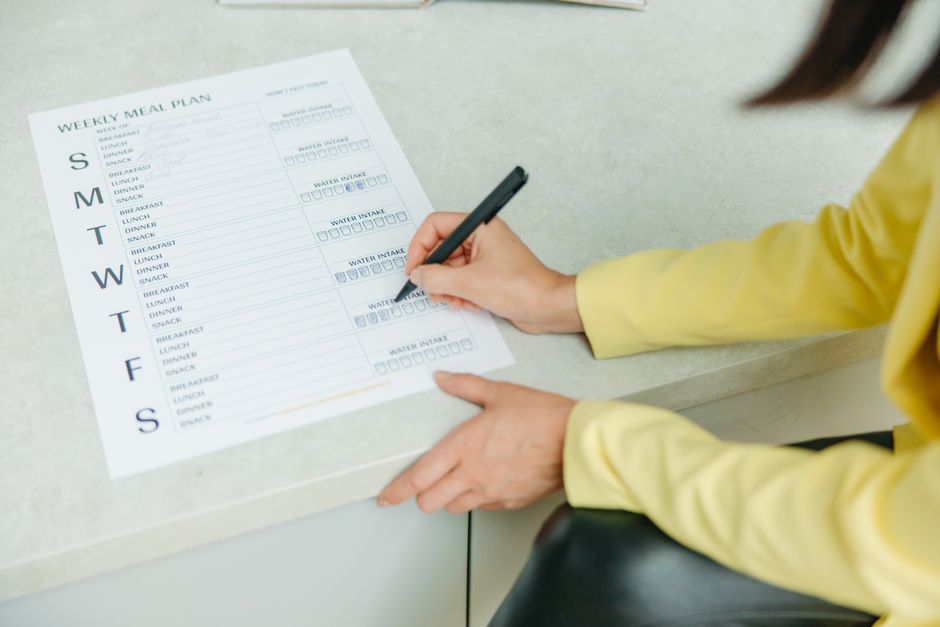
With the template and themes set, run a focused 20-minute planning sprint. Minute 0 to 5: list the five meals by night and note the primary protein and method. Minute 5 to 12: check pantry and fridge and write a precise shopping list with quantities (example: 2 pounds boneless chicken, 1 pound pasta, 1 head broccoli, 1 pint cherry tomatoes, 1 bunch cilantro). Writing exact weights and counts takes the guesswork out of shopping and should take 7 minutes.
Minute 12 to 20: plan one batch-prep action you can do after shopping. Batch ideas with sizes and times: cook 2 cups dry rice (yields 6 cups cooked) in 18 minutes on the stove; roast 2 pounds mixed vegetables at 425 degrees F for 20 minutes on a single 18×13-inch sheet pan; grill or sear 2 pounds of chicken breasts at medium-high heat for 6 to 8 minutes per side depending on thickness. Choose one action that creates a component used in two meals to maximize efficiency.
Pack the shopping list by sections and quantities to speed the store visit: produce, meat, dairy, pantry, frozen. For produce, specify counts and weights (for example: 1 head cauliflower, 1 pound green beans, 2 lemons). At the store, stick to the list and aim for a 30- to 45-minute trip for a single-week shop.
After shopping, use a 45- to 60-minute batch-prep session on a weekend or a lighter weekly session after your grocery run. Suggested session plan: 0-10 minutes wash and chop all vegetables into 1-inch pieces; 10-25 minutes roast a 2-pound tray of vegetables at 425 degrees F; 25-40 minutes cook grains and beans (two cups dry rice, 12 ounces quinoa, or one 15-ounce can beans warmed); 40-60 minutes divide proteins into 5 portions and marinate or season. Use clear 24-ounce containers for single-dinner portions and 48- to 64-ounce containers for components meant for two meals.
Label each container with meal name and date using a permanent marker or masking tape. Store cooked grains and roasted vegetables in airtight containers for up to 4 days in the fridge. Proteins like cooked chicken or baked tofu keep 3 to 4 days refrigerated; raw proteins should be used within 2 days or frozen in meal-sized portions for up to 3 months.
Evening assembly techniques: reheat grains with a splash of water for 60 to 90 seconds in the microwave, or reheat proteins in a 350 degrees F oven for 8 to 12 minutes until 165 degrees F internal for poultry. For skillet meals, heat a tablespoon of oil over medium-high heat for 60 seconds, then cook proteins for 3 to 6 minutes per side depending on thickness.
Keep a small kit of staples to finish meals: one jar of pesto, one can of diced tomatoes, soy sauce, two lemons, and a block of hard cheese. These 5 items let you convert simple proteins and grains into distinct dishes in under 10 minutes.
Frequently Asked Questions
Further reading: How to Barbecue for Twelve: Quantities and Timeline · Sunday Roast Into Three Meals: A Leftover Map
Sources: FoodSafety.gov