 Field & Home
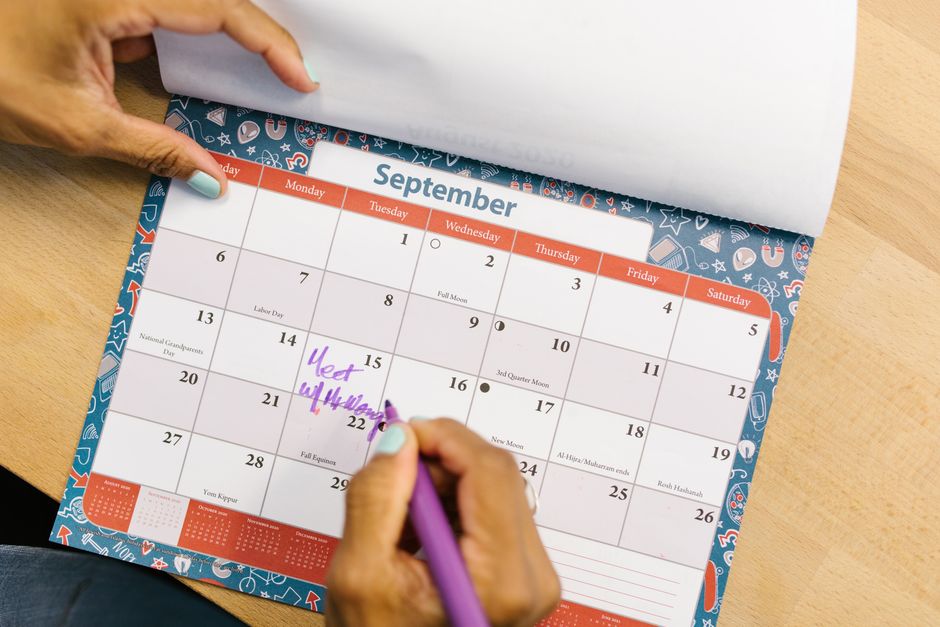
The short answer: A two-week rotating meal calendar cuts decision fatigue and kitchen time: design 14 dinner slots, repeat meals every other week, shop on a 14-day cadence, and spend 2–4 hours of batch prep to cover most meals.
Why a Two-Week Rotation
A two-week rotating meal calendar is a planning system that maps breakfasts, lunches, dinners, and snacks onto a 14-day grid so you see exactly what to cook each day. The core idea is repetition: instead of inventing meals every night, you repeat a curated set of meals every two weeks. That repetition reduces mental load, makes shopping more efficient, and lets you optimize batch cooking and leftovers.
Most households save time and money with a 14-day plan because it balances variety against convenience. Fourteen days is long enough to avoid boredom but short enough to keep fresh produce usable when combined with smart storage. With a two-week plan you can schedule one big shopping trip every 14 days, or two smaller trips (a 7-day top-up) while keeping the bulk of purchases on the fortnightly list.
Concrete benefits include: predictable shopping lists that cut grocery trips by 50% compared with ad-hoc shopping; planned batch cooking sessions that take 2–4 hours to produce 6–8 meals; and a predictable rotation that reduces food waste by an estimated 15–30% when combined with portioned storage and clear labeling.
“The two-week rotation made shopping and weekday dinners predictable; once I set the grid, I spent 3 hours on Sunday and had five ready dinners in the fridge and two in the freezer.”
—

How to Build and Use Yours
Start by listing 14 dinner ideas you and your household like, then group them by cook style: quick (15–25 minutes), moderate (30–45 minutes), and batch-friendly (60+ minutes that yield leftovers). Aim for 4–6 batch-friendly recipes that scale well (for example, a 3-pound roast chicken yields 6 portions). Place quick meals on busier weekdays and batch days on a weekend or your chosen prep day.
Create a 14-cell calendar on paper or a spreadsheet with columns for Day, Meal, Key Ingredients, and Prep Notes. For each meal add a prep note such as “double recipe; freeze 2 portions” or “needs 30-minute marinate”. This spreadsheet becomes your master plan: when you swap a meal, change the entry and the shopping list updates instead of you recreating the plan each week.
Shopping: build a single master shopping list that covers the full 14-day rotation. Break it into sections: pantry, fridge, freezer, produce, and perishables you will buy at 7 days. Quantify each line item with amounts — for example, “chicken thighs 6 pieces (about 2.5 lbs)” or “brown rice 6 cups cooked (about 2 cups dry)” — so you buy by quantity instead of vague items. Shopping once every 14 days, with a 10–15 minute top-up at day 7 for fresh greens and milk, keeps trips to a minimum.
Batch cooking and storage: schedule a 2–4 hour block once per 7–14 days for batch tasks. Typical session tasks: roast a 3–4 lb protein (yields 6–8 servings), cook 3 cups dry grains (yields ~6 cups cooked), and chop vegetables for three meals. Use 3-cup, 6-cup, and 9-cup airtight containers to portion meals: store 1.5–2 cup portions for adults, and 1 cup portions for children. Label each container with date and reheating instructions (e.g., “Microwave 90 seconds high, stir, 60 seconds”), and freeze any portion you won’t use within 3–4 days.
Timing and rotation rules: when a meal repeats every 14 days, you only need to prepare or buy its special ingredients every other shopping trip. For perishable items like herbs or salad greens, plan them into the first week and top up on day 7. Rotate freezer meals in a “first in, first out” order and check the freezer once per shopping cycle; discard any prepared meal older than 3 months to keep quality consistent.
Example week structure: Sunday prep 2–3 hours producing four ready dinners (use two immediately, freeze two), Monday quick meal (15–20 min), Tuesday batch-leftovers, Wednesday midweek fresh cook (30–45 min), Thursday quick grain bowls, Friday flexible (leftovers or takeout), Saturday family cook. Repeat and offset in week two so that every meal appears again on the same weekday in the next cycle.
Measure success with simple metrics: track grocery trips per month (target 2 trips if shopping fortnightly), weekly cook time (goal: reduce active cooking by 2 hours), and leftovers used (count meals eaten from leftovers per week). Adjust the rotation after two cycles (28 days) to swap out meals that don’t get eaten or to add seasonal produce.

Frequently Asked Questions
Further reading: How to Adjust Meal Plans for Picky Eaters Easily · Why Do Meal Plans Fall Apart by Wednesday?
Sources: FoodSafety.gov



One response