 Field & Home

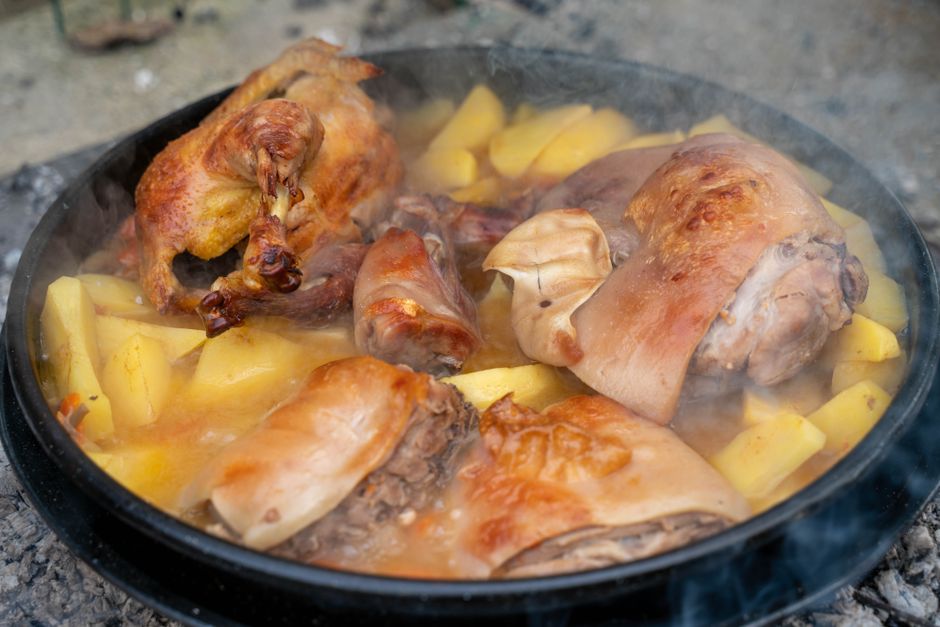
The short answer: A reliable one-pot chicken and rice dinner depends on a strict 1.75:1 liquid-to-rice ratio and browning the chicken thighs before simmering. Using bone-in thighs and long-grain white rice, the entire dish comes together in a single Dutch oven in about 45 minutes with minimal active cooking time.
Choosing Cuts and Calculating Ratios
The foundation of any one-pot chicken and rice dinner is the cut of meat you choose, and bone-in, skin-on chicken thighs outperform breasts in nearly every measurable way. Thighs contain roughly 8 percent fat compared to 3 percent in breasts, which keeps them moist through the 25 to 30 minutes of covered simmering required to cook the rice fully. If you prefer white meat, choose bone-in breasts and pound them to an even 1-inch thickness so they finish cooking at the same rate as the grains below.
Liquid measurement is where most one-pot recipes fail, because rice absorbs water predictably and extra evaporative loss must be accounted for. For long-grain white rice in a covered Dutch oven, use 1.75 cups of broth for every 1 cup of dry rice, slightly less than the 2:1 ratio printed on most packages since the covered pot traps steam. Brown rice requires 2.25 cups of liquid per cup of grain and an additional 20 minutes of simmering, so plan accordingly if you substitute.
Before anything simmers, pat the chicken completely dry with paper towels and season generously with salt, allowing the meat to rest for 10 minutes so the seasoning penetrates. Moisture on the skin is the enemy of browning; a dry surface reaches the Maillard reaction at around 300°F, while a wet surface stalls at 212°F and steams instead of searing. Work in a single layer and resist crowding the pot, browning in two batches if necessary.
Equipment choice rounds out the prep: a 5.5 to 6 quart enameled Dutch oven distributes heat evenly across the base and holds the four-serving ratio without boiling over. Thin stainless stockpots develop hot spots that scorch the rice layer where it contacts the bottom, so if a thin pot is all you have, set a heat diffuser beneath it and lower the burner one notch. A tight-fitting lid completes the setup.
The Core Ratio Framework
Baseline measurements for a four-serving one-pot dinner.
Sear First
Brown the skin for 4 minutes per side before adding any liquid.
Simmer Low
Hold the pot at a bare simmer near 190°F once covered.
The exact liquid volume needed for covered Dutch oven cooking.
The window in which rice fully hydrates and chicken reaches safe temperature.
The minimum reading at the thickest part of the thigh, away from bone.
Executing the Simmer and the Rest
After browning, remove the chicken and soften your aromatics in the rendered fat left in the pot, using about 1 cup of diced onion and 2 minced garlic cloves over medium heat for 3 minutes. This step deglazes the fond, the caramelized protein stuck to the bottom, which carries most of the deep savory flavor of the finished dish. Stir in the dry rice and toast it for 90 seconds until the grains turn translucent at the edges.
Return the broth and chicken to the pot, bring to a boil, then immediately reduce to the lowest setting and cover tightly. A lid that fits poorly can lose enough steam to leave the rice undercooked, so if your lid is loose, lay a sheet of aluminum foil over the pot rim before setting the lid in place. Set a timer for 25 minutes and do not lift the lid during that window; each peek releases enough steam to drop the internal temperature by roughly 10 degrees.
When the timer ends, turn off the heat and let the pot stand covered for 10 minutes before fluffing. This resting phase allows residual steam to finish hydrating the top layer of rice and lets the chicken juices redistribute, reducing moisture loss when you cut into the meat by up to 30 percent. Finish with a squeeze of lemon and a handful of chopped parsley or cilantro.
Leftovers keep in a shallow airtight container in the refrigerator for 4 days and reheat best with a tablespoon of water sprinkled over the top before microwaving for 90 seconds. Cooked rice stored longer than 4 days carries increasing risk from bacterial spores, so freeze portions you will not eat within that window rather than refrigerating them longer.
Frequently Asked Questions
Further reading: How to Make Fluffy Scrambled Eggs in Five Minutes · How to Make Perfect Stovetop Rice
Sources: FoodSafety.gov