 Field & Home

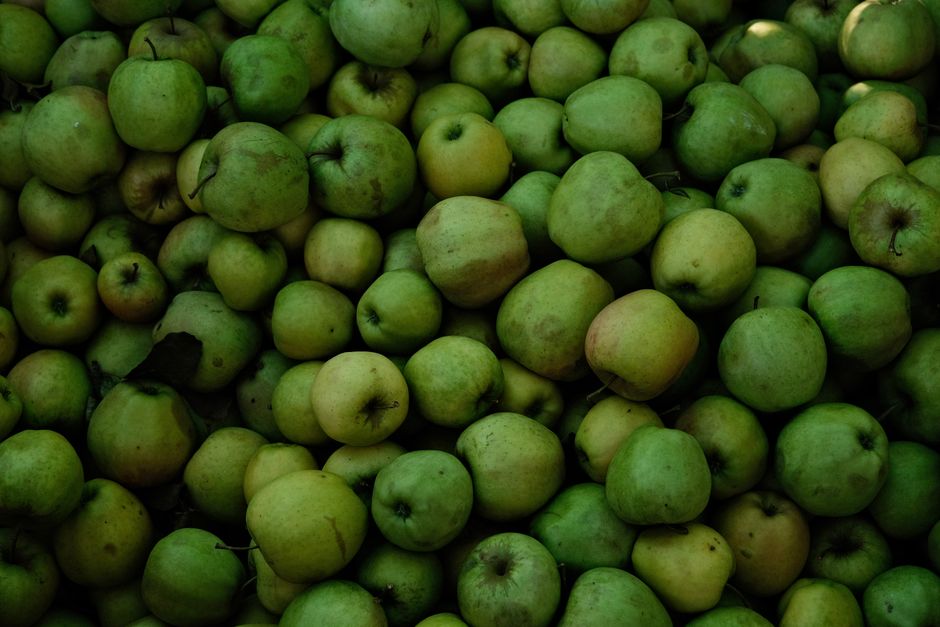
The short answer: Leave 1 to 2 fruitlets per apple cluster in most cases: 1 on spur systems or weak wood, 2 on vigorous shoots. Thin at petal fall and again at 3–5 weeks when fruitlets are 10–20 mm.
Why thin apple clusters
Apple thinning reduces overcrowding so the remaining fruit grow larger, color better, and reach higher soluble-solids levels. When 3–6 fruitlets set in a tight cluster the tree divides carbohydrates and hormones across too many sinks; thinning concentrates resources into fewer apples, often increasing average fruit diameter by 15–40 percent compared with no thinning.
Thinning also lowers limb break risk and helps avoid biennial bearing. A heavy, unthinned crop can reduce flower bud formation for the next season by 30–70 percent; removing excess fruitlets evens the tree’s energy budget and preserves shoot vigor. For a one-year-old scaffold aim for 30–50 fruit total; a semi-dwarf mature tree typically carries 200–400 apples while a standard tree can carry 400–800 at full size depending on rootstock and pruning regime.
Set a spacing goal for final fruit: leave apples roughly 6–8 inches (15–20 cm) apart along the scaffold. That spacing allows each fruit to swell without rubbing or shading neighbors and gives sunlight to the stem and shoulder for color development. On spurs select the single strongest fruit; on long shoots you can leave two then remove the weaker one after 2–3 weeks if size lags.
Timing and target
Spacing, counts, and passes that size apples up.
Keep one per spur
Pick the strongest fruitlet per spur and roll extras toward the stem at the abscission zone.
Thin days 0 to 14
First pass at petal fall days 0 to 14 down to count, then drop laggards after 2 to 3 weeks.
Fewer sinks per cluster lift average diameter 15 to 40 percent over unthinned limbs.
Heavy unthinned crops cut next-season buds 30 to 70 percent; thinning breaks biennial swing.
One-year scaffolds hold 30 to 50 fruit; standards carry 400 to 800 at full size.
“Early thinning at petal fall and again at 3–5 weeks gives the best balance of fruit size and consistent annual cropping.”
—
How to thin, step-by-step
Prepare tools and safety gear: soft leather gloves, eye protection, a 6–8 foot (1.8–2.4 m) pole pruner or fruit thinner for high clusters, and a padded bucket or bag for removed fruitlets. For ladders maintain three points of contact and set an extension ladder at roughly a 75-degree angle; never overreach—move the ladder instead. Work on dry days when branches are not slippery; aim to thin each mature tree in 10–20 minutes for an average hand-thinning pass, longer on heavy-set trees.
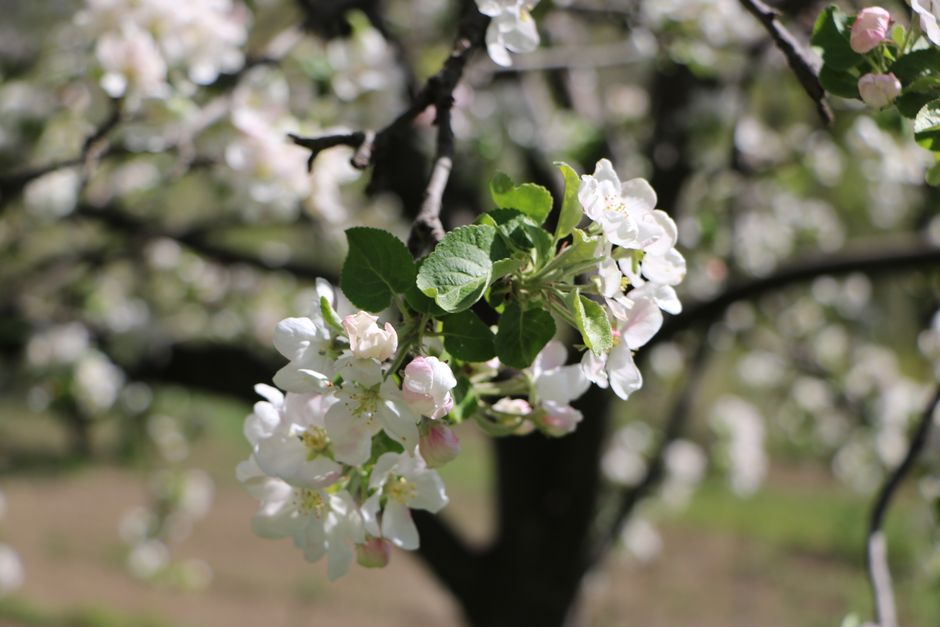
First pass (petal fall, day 0–14): remove whole clusters down to the desired count using fingers or light shears. Pinch off small fruitlets by rolling them toward the stem until the abscission zone separates, leaving the spur intact. On a cluster of four or five, remove the center two so the remaining fruit sit on the outer positions with short stems of about 5–10 mm retained when possible.
Second pass (3–5 weeks, fruitlets 10–20 mm): measure survivors with a small ruler or caliper; fruitlets in the 10–20 mm range are ready for final selection. Remove any fruit that is misshapen, scarred, or shaded; maintain 6–8 inch spacing along the branch. If the tree is still overcropped, choose the largest, best-positioned fruit and remove the rest to meet your spacing goal.
Interim adjustments: on very vigorous trees you can initially leave two fruitlets per cluster on select shoots and then remove one 2–3 weeks later once size differences are clear. For frost-damaged blooms where many small, damaged fruitlets set, an extra pass at 2 weeks will reduce competition and improve the remaining fruit quality.
Mechanical thinning: use blossom or fruit thinners on blocks when labor is limited; typical mechanical passes remove 40–80 percent of blossoms or tiny fruit depending on settings. Always follow a hand follow-up 1–3 weeks after mechanical thinning to refine spacing and remove damaged fruit; mechanical tools can leave uneven gaps and miss shaded fruit.
Use measured counts to guide whole-tree targets: for semi-dwarf trees aim for 200–400 fruit at maturity and distribute fruit across main scaffolds accordingly; for dwarf trees aim for 100–200. When thinning a heavy crop, work methodically—start at the top and move clockwise around the tree so you can judge load and spacing as you go, roughly 6–8 inches between fruit.
Disposal and follow-up: collect removed fruitlets in a bucket and remove them from the orchard within 7 days to avoid attracting pests; if left on the ground, turn or scatter the pile weekly to speed decomposition. After the second pass monitor growth for 2–3 weeks and note any branches that require corrective pruning that winter to rebalance the canopy.
Frequently Asked Questions
Further reading: Planting Bare-Root Apple Trees · How to Prune Apple Trees
Sources: UMN Extension