 Field & Home


The short answer: Train a compact fruiting wall: plant semi-dwarf trees 2 to 3 feet apart, run wires every 12 to 18 inches up to 6 to 8 feet, and expect 3 to 5 years of shaping before full production.
Planning and planting
Start by choosing a south- or west-facing fence that receives at least 6 to 8 hours of direct sun. A fence made of treated wood, masonry, or a sturdy trellis can support spaced wires and light pruning loads; avoid very flexible chain-link unless reinforced. Aim for a planting line at least 12 inches away from the fence to allow root and scaffold growth and to keep trunks dry.
Select semi-dwarf rootstocks (for example M26 or similar) so the tree reaches 8 to 12 feet in a mature, espaliered form; dwarf rootstocks are acceptable if you want a 5 to 7 foot finished height. Buy 1- or 2-year-old whips grafted to a named variety; a 2-year whip with a 1/2 inch caliper gives a strong starting core for training. Plan trees 2 to 3 feet apart for a cordon or 2.5 to 4 feet for a Belgian fence pattern that uses multiple trunks.
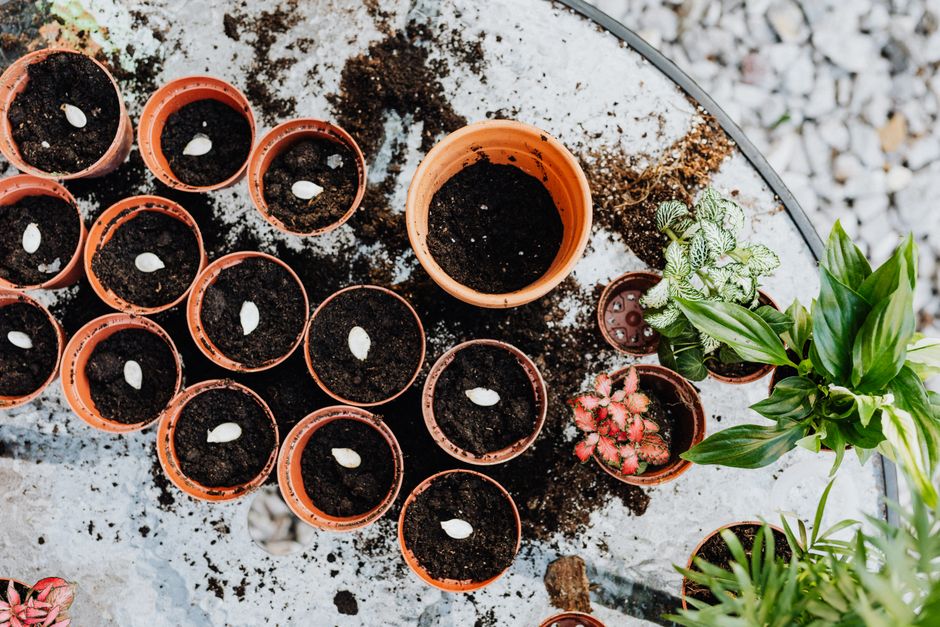
Dig planting holes about 18 inches wide and 18 inches deep. Mix the excavated soil with 2 to 3 inches of well-aged compost, loosen the bottom, and set the graft union 2 to 4 inches above soil level. Backfill gently, water immediately with 1 to 2 gallons, and stake the main trunk with a 2 to 3 foot hardwood or metal stake driven outside the root ball to prevent wind rock while the roots establish.
Install horizontal support wires before the tree leafs out. Run 2 to 5 stainless steel or galvanized wires along the fence at 12 to 18 inch vertical intervals depending on desired final height: 3 wires suits a 4 to 5 foot espalier, 4 to 5 wires for 6 to 8 feet. Anchor each wire into the fence or posts with eye bolts and turnbuckles to maintain tension; sagging wires defeat training.
At planting, choose your initial form: single cordon, double cordon, or Belgian/step-over fan. Tie the central leader to the lowest wire and prune to a single central stem only if you will train a cordon; for a Belgian fence, plant pairs of whips and space them 2.5 to 4 feet apart. Use soft horticultural ties or strips of old nylon stockings—tie every 6 to 8 inches along the young shoots to the wire to encourage horizontal growth without girdling.
Key site and soil notes
Sun, spacing, and wire numbers for flat fruit walls.
Start with half-inch whips
One- or 2-year whips near half-inch caliper on M26 reach 8 to 12 feet trained.
Tie every 6 to 8 in
Soft ties every 6 to 8 inches guide shoots flat without girdling young bark.
Single horizontal cordon
- One trunk on 3 wires to 4 to 5 ft
- Best for: narrow runs and beginners
- Trees 2 to 3 feet apart
Belgian fence
- Paired whips on 4 to 5 wires to 8 ft
- Best for: wide fences and pattern looks
- Trees 2.5 to 4 feet apart
Eighteen-inch holes with 2 to 3 inches compost and grafts 2 to 4 inches proud.
One to 2 gallons immediately plus a staked trunk stops wind rock early.
Extension ladders near 75 degrees with three contact points for high ties.
Pruning and maintenance
Prune annually in late winter while trees are dormant, ideally 2 to 4 weeks before bud swell (often January to early March in temperate zones). For the first 2 years, focus on establishing 2 to 5 horizontal scaffold arms per tree at 12 to 18 inch vertical spacing. Cut main shoots back to a strong bud facing the desired direction, leaving 3 to 6 buds when shortening vigorous shoots to redirect energy into lateral fruiting spurs.
Summer pruning is a light timing control: in July or August, remove water sprouts and excessive vertical growth by cutting back to 2 to 3 leaves beyond the last fruiting cluster to keep branches horizontal and encourage spur development. Use bypass pruners for 1 inch and smaller wood and loppers for 1 to 2 inch wood; disinfect blades with a 10 percent bleach solution between trees when disease is a concern.
Fruit thinning is essential for quality: when fruits are golf-ball size (about 1 to 1.5 inches), thin to leave one apple every 6 to 8 inches along a spur or branch. This spacing helps the remaining apples reach full size and reduces limb strain so you do not need heavy pruning later. Expect first light crops in year 2 to 3 and more consistent yields by year 4 to 5 when root and canopy are established.
Fertilize in early spring after leaf out: spread 1 cup of a balanced 10-10-10 or equivalent organic granular fertilizer around the root zone in year 2, then increase by about 1/2 cup per year up to 3 cups for a fully established tree, avoiding contact with the trunk. Mulch to a 2 to 3 inch depth out to the drip line but keep mulch a few inches away from the trunk base to prevent collar rot.
Common maintenance tasks: check ties every 6 months and adjust to avoid girdling, retension wires with turnbuckles annually, and inspect for pests weekly during the growing season. A single dormant oil spray in late winter can reduce overwintering scale and mite populations; use according to label rates and local extension recommendations.

Frequently Asked Questions
Further reading: Planting Bare-Root Apple Trees · How to Prune Apple Trees
Sources: UMN Extension