 Field & Home
The short answer: Snake plants thrive on neglect: bright to low light, sparse watering, and a free-draining mix make them nearly indestructible for beginners.
Why Snake Plants Work
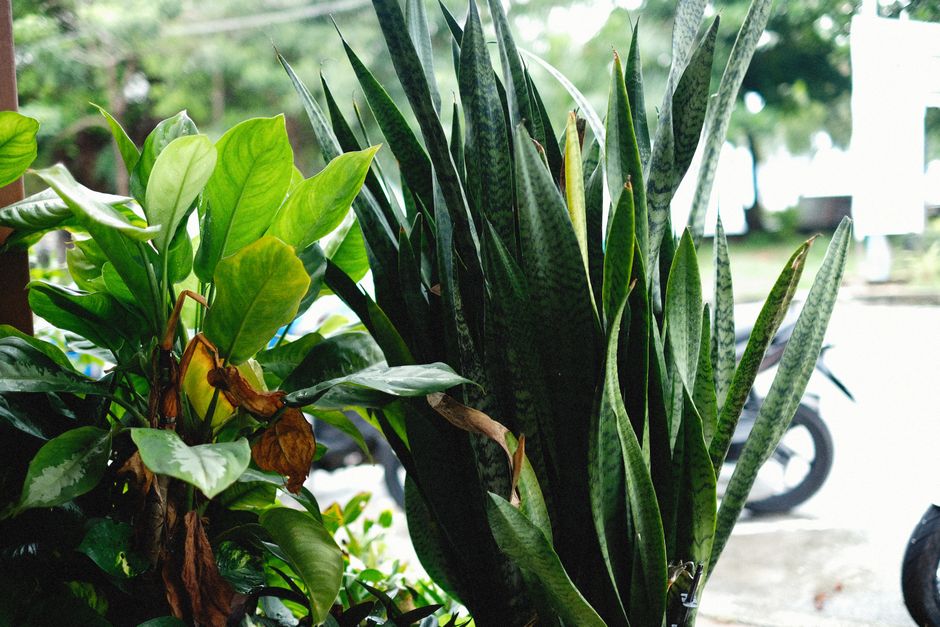
Snake plants (Sansevieria, now often classified under Dracaena) are succulents at heart: thick, water-storing leaves and a slow growth habit. Those traits let them survive weeks between waterings and tolerate dim corners that would stress many other houseplants. For a beginner, that means fewer mistakes translate to fewer lost plants.
The leaves are fibrous and upright, so they present a narrow profile and need shallow pots relative to their height. Mature plants commonly range from 10 to 48 inches tall depending on variety; choose a pot that gives roughly 2 inches of space around the roots for every 6 inches of plant height to allow modest root expansion.
Snake plants prefer a steady environment: daytime temperatures between 65 and 85°F and nighttime no lower than 50°F. They tolerate lower light levels but slow growth follows; under bright, indirect light you can expect the fastest new-leaf production, roughly 2 to 6 new leaves per year on a mature clump.
Air-purifying claims exist for snake plants, and while they do remove some volatile organics in lab tests, the practical benefit for a typical home is modest. The real value for most people is reliability: they rebound from missed waterings and light fluctuations in 1 to 3 weeks more predictably than many tropicals.
Space, warmth, and water gaps beginners survive.
Pot 6 to 8 in to start
Plants to 18 inches suit 6 to 8 inch pots; widen 2 inches per repot with the crown 1 inch under the rim.
Winter to 6 to 8 weeks
At 60 to 68 F stretch gaps to 6 to 8 weeks and drain 10 to 20 minutes every watering.
Care and Troubleshooting
Potting and soil: pick a container with a drainage hole and use the soil mix above (2:1:1 potting:sand:compost by volume). Fill the pot so the top of the root ball sits about 1 inch below the rim to allow watering without overflow. For a plant up to 18 inches tall choose a 6-8 inch diameter pot; increase pot diameter by 2 inches each time you repot.
Watering schedule: in spring and summer, water about every 2 to 4 weeks depending on indoor humidity and temperature—always check that the top 1 to 2 inches of soil is dry before watering. In winter, reduce to roughly once every 6 to 8 weeks for most homes at 60 to 68°F. Use room-temperature water and pour until excess flows from the drainage hole, then let the pot drain for 10 to 20 minutes before returning it to its saucer.
Light and placement: aim for bright, indirect light of 200 to 1,000 foot-candles for faster growth, but snake plants tolerate as low as 50 foot-candles. Avoid prolonged direct sun on thin-leaved varieties which can cause 1 to 3-inch brown patches. If leaves lean toward the window, rotate the pot 90 degrees every 4 weeks to encourage balanced growth.
Fertilizing: apply a balanced 10-10-10 liquid fertilizer at half strength once every 6 to 8 weeks during the growing season (March through September). Skip fertilizer in the 4 to 5 cooler months (October through February) when growth naturally slows.
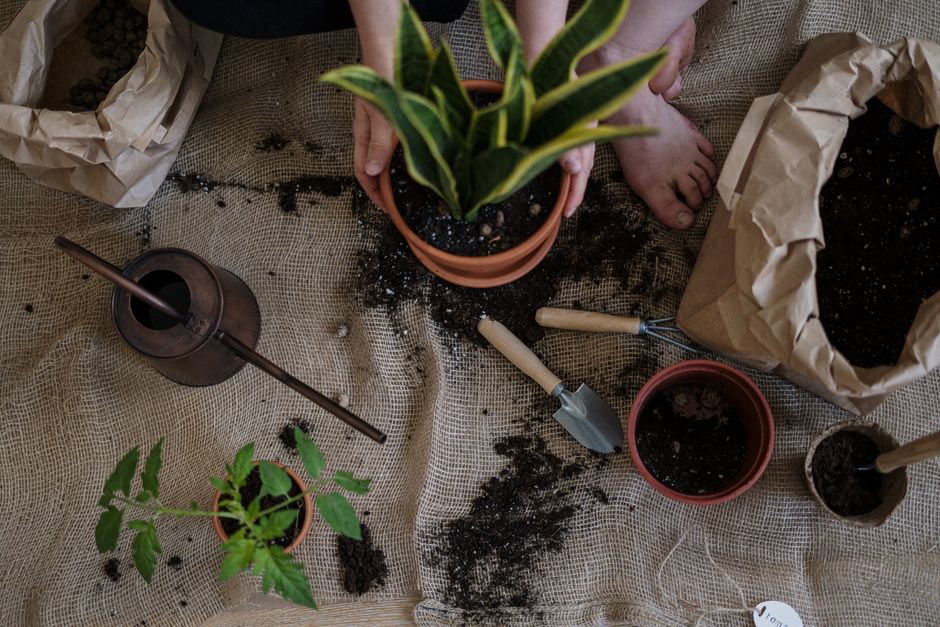
Repotting and root care: repot every 2 to 3 years or when roots circle the pot or appear at the surface. To repot, gently slide the plant from its pot, tease roots open with your fingers, trim any rotten, black, mushy roots back to healthy white tissue using clean scissors, and place in a pot 1 to 2 inches larger in diameter. Water lightly after repotting and keep out of direct sun for 7 to 10 days while the plant acclimates.
Common problems and fixes: brown, soft leaf bases usually indicate overwatering and possible root rot—remove affected leaves back to healthy tissue and cut away soft roots; repot into fresh, dry mix and withhold water for 1 to 2 weeks. Browning leaf tips from underwatering respond to a single thorough soak and a watering schedule of every 2 to 4 weeks. Mealybugs and spider mites are rare but treatable: blot visible insects with isopropyl alcohol on a cotton swab every 3 days for 2 weeks, or apply insecticidal soap according to label instructions.
Propagation: division is fastest—separate a clump with at least 3 shoots and 2 to 3 inches of root mass and pot immediately. Leaf-cutting propagation takes longer: cut a healthy leaf into 3- to 4-inch sections, let callus for 24 to 48 hours, then insert the bottom end 1 to 1.5 inches into moist, well-draining mix. Expect root formation in 4 to 8 weeks; new shoots can take 3 to 6 months to appear.
Tools and minor supplies: keep a pair of clean pruning shears, a 6- to 8-inch trowel, 1 to 2 quarts of perlite or coarse sand per repot, and a moisture meter if you tend to overwater. A moisture meter can cut water-related losses by roughly 50% for new plant owners when used for the first 6 months.

Frequently Asked Questions
Further reading: Why Do Container Plants Dry Out Every Afternoon? · Six Humidity-Loving Plants for Bathrooms
Sources: UMN Extension


One response