 Field & Home

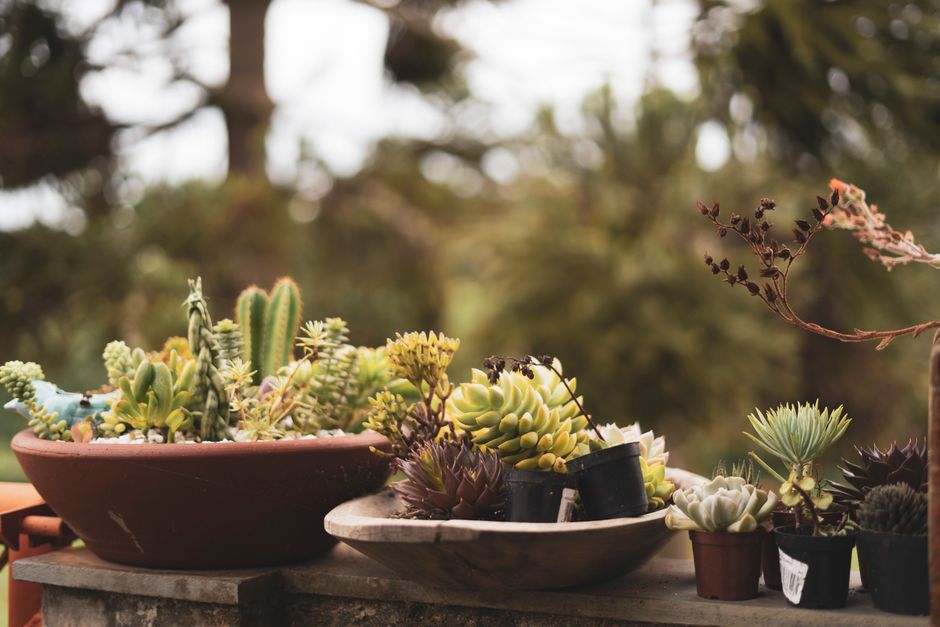
The short answer: Container plants that go bone-dry by midafternoon are usually facing a mix of shallow soil, too-small pots, high evaporation, and daytime heat; diagnose with a simple 1-inch check and fix by increasing pot volume or adding 1 to 2 inches of mulch.
Why container plants dry out
Container plants dry out every afternoon for predictable reasons: high daytime temperatures drive evaporation, wind increases transpiration, and small or porous pots hold little water. For a six-inch (15 cm) pot expect only 300 to 500 mL of usable substrate water; that volume can be gone in 4 to 8 hours under hot sun and a 10 to 15 km/h breeze. Soil mix also matters: mixes with more than 40 percent peat or bark can shed water quickly unless amended with 20 to 30 percent perlite or pumice to balance drainage and retention.
Root restriction is another frequent cause. A rootbound plant in a 4- to 6-inch pot often has its soil volume reduced by up to 30 percent, so the same visible soil depth holds less water around roots. Black or terracotta pots heat faster than light-colored plastic; a black pot in full sun can reach 10 to 20 F (6 to 11 C) warmer than ambient air, accelerating evaporation from the surface and from the root ball.
Watering technique influences afternoon dryness. A quick surface wet during evening or midday waters only the top 1 inch (2.5 cm) of soil, which evaporates within hours. Proper saturation requires watering slowly until water runs from the drainage hole, allowing capillary action to wet the entire root ball to a depth of 2 to 4 inches (5 to 10 cm) for most houseplants.
Moisture check
Volumes, hours, and heats that explain dry pots.
Test at 2, 4, 6 hours
Soak to drips in the morning, then finger-check the top inch at 2, 4, and 6 hours for the truth.
Pot up 2 inches wider
Move up 2 inches diameter with 20 to 30 percent perlite so root-bound 30 percent losses end.
Solutions and routine
Start with diagnosis: choose one representative pot and perform a timed moisture test. Water thoroughly in the morning until water drips from the drainage hole, note the time, then check the top 1 inch at 2, 4, and 6 hours. If the soil is dry at 4 hours, the plant needs more available water volume or reduced evaporation.
To increase available water, either move the plant to a larger container or increase the effective root-zone volume inside the pot. Step-by-step repotting: 1) Select a pot 2 inches (5 cm) wider in diameter than the current one; 2) loosen the root ball by hand or with a fork, teasing roots for 30 to 60 seconds; 3) place 1 to 2 inches (2.5 to 5 cm) of fresh potting mix in the bottom; 4) position the plant and fill around with a mix that contains 20 to 30 percent perlite or pumice. Repot in spring or early summer and expect the task to take 30 to 90 minutes per pot depending on size.
If repotting is not possible, reduce evaporation instead. Apply a 1- to 2-inch (2.5 to 5 cm) mulch of decorative bark or coconut coir over the soil surface; this cuts surface evaporation and keeps the topsoil cooler by roughly 5 to 10 F (3 to 6 C). Move sun-exposed pots into partial shade during the hottest hours, or rotate them so heat stress is limited to 2 to 3 hours daily rather than continuous exposure.
Consider passive hydration options for longer stretches away from home. A simple wick system uses a 1/4-inch (6 mm) cotton rope: bury one end 1 to 2 inches into the potting mix and place the other end into a 1- to 2-inch deep reservoir filled with water. For self-watering inserts, choose reservoirs sized to hold at least 25 percent of the pot volume; for a 5-gallon (19 L) container aim for a 1 to 2 quart (1 to 2 L) reserve to extend time between refills.
Adjust your watering schedule: water in the morning between 6:00 and 9:00 when temperatures and wind are lower so water is available throughout the warmest part of the day. In high summer expect to water container plants every 1 to 3 days for small pots and every 3 to 7 days for larger 10- to 14-inch (25 to 35 cm) containers; reduce frequency by half during cooler seasons.
Frequently Asked Questions
Further reading: Six Humidity-Loving Plants for Bathrooms · Snake Plants: The Indestructible Beginner Guide
Sources: UMN Extension