 Field & Home

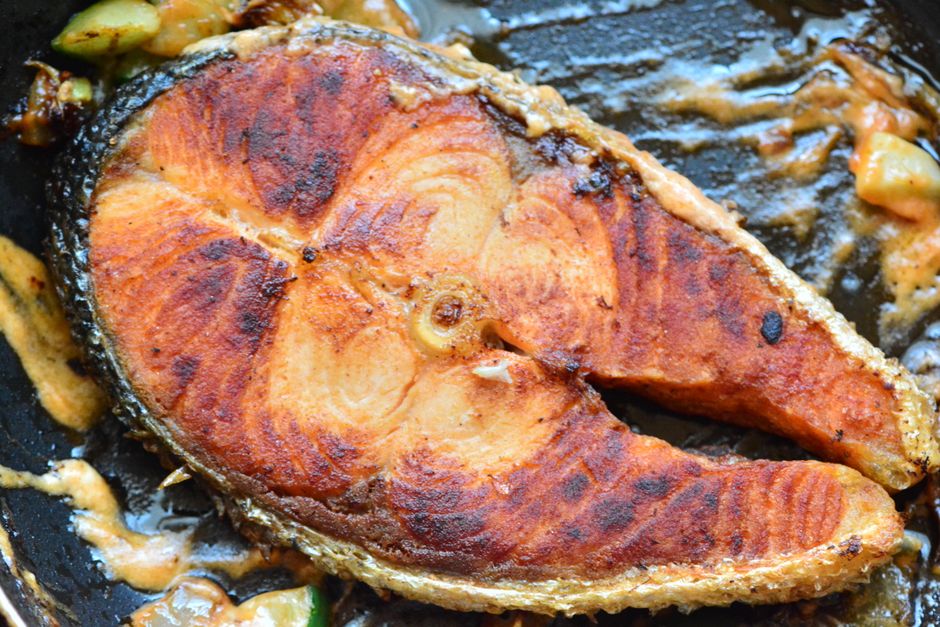
The short answer: A complete sheet pan salmon dinner roasts in 12 to 14 minutes at 425°F when fillets and vegetables share a single rimmed baking sheet with adequate spacing. Pairing quick-cooking asparagus or cherry tomatoes with uniform 1.5-inch fillets ensures everything finishes at the same moment without overcooking the fish.
Selecting Fillets and Pairing Vegetables
Uniform thickness matters more than total weight when roasting salmon on a sheet pan, so choose center-cut fillets about 1.5 inches thick and portion them into 6-ounce pieces. Thin tail sections will overcook and dry out 4 minutes before the thick center reaches temperature, so reserve tail pieces for another use or fold them under and secure with a toothpick to even the profile. Ask your fishmonger to remove pin bones, or pull them yourself with clean tweezers in about 2 minutes per fillet.
Vegetable pairing follows a simple rule: anything that roasts in 12 to 15 minutes at 425°F can share the pan, while denser roots cannot. Asparagus spears, cherry tomatoes, zucchini half-moons, and broccoli florets cut no larger than 1 inch all finish in the same window as the fish. Potatoes, carrots, and winter squash need a 15-minute head start, so par-roast them alone before adding the salmon to the sheet.
Season the fillets with salt and a light brush of oil no more than 10 minutes before roasting; salting fish too far in advance draws moisture to the surface and inhibits browning. For crisp edges rather than steamed flesh, line the pan with parchment rather than foil and keep at least a half inch of space between every item on the sheet. Crowding traps steam and drops the pan temperature, turning a roast into a braise.
Parchment-Lined Pan
- Release: fillets lift free without sticking
- Browning: moderate and even on the underside
Bare Metal Pan
- Release: skin bonds and tears below 400°F
- Browning: deeper crust with higher sticking risk
Hot enough to caramelize edges without drying the center.
The window for 1.5-inch fillets to reach 125°F internally.
The gap between items that keeps steam from pooling on the sheet.
Roasting, Testing, and Serving
Position the rack in the upper third of the oven and preheat fully for 15 minutes before the pan goes in; an oven that reads 425°F on the dial often measures 25 degrees cooler during the first 10 minutes of recovery. Toss the vegetables in 1 tablespoon of oil and spread them across the sheet first, then nestle the fillets in the center where airflow is strongest. Roast uncovered, without opening the door, for the first 8 minutes.
Doneness testing relies on temperature rather than flaking, because flaking tests only work after the fish has already passed its ideal point. Insert an instant-read thermometer into the thickest part and pull the pan at 125°F for medium, or 135°F for well-done; carryover heat adds another 5 to 8 degrees during a 5-minute rest. The flesh should look barely translucent at the center when you check with a paring knife tip.
Finish the pan with acid and fresh herbs while the fish rests: a squeeze of lemon over 6 ounces of fish balances the rich fat content, which averages 13 grams per serving in Atlantic salmon. A drizzle of good olive oil added after roasting preserves its flavor compounds, which begin to degrade above 350°F. Serve directly from the sheet for a casual weeknight presentation, or transfer to warmed plates.
Cooked salmon keeps 3 days refrigerated in a sealed container, and cold flaked leftovers hold up well in grain salads. Reheat gently at 275°F for 10 minutes rather than microwaving, which drives out moisture and intensifies odor compounds within 60 seconds.
Frequently Asked Questions
Further reading: How to Make Fluffy Scrambled Eggs in Five Minutes · How to Make Perfect Stovetop Rice
Sources: FoodSafety.gov