 Field & Home
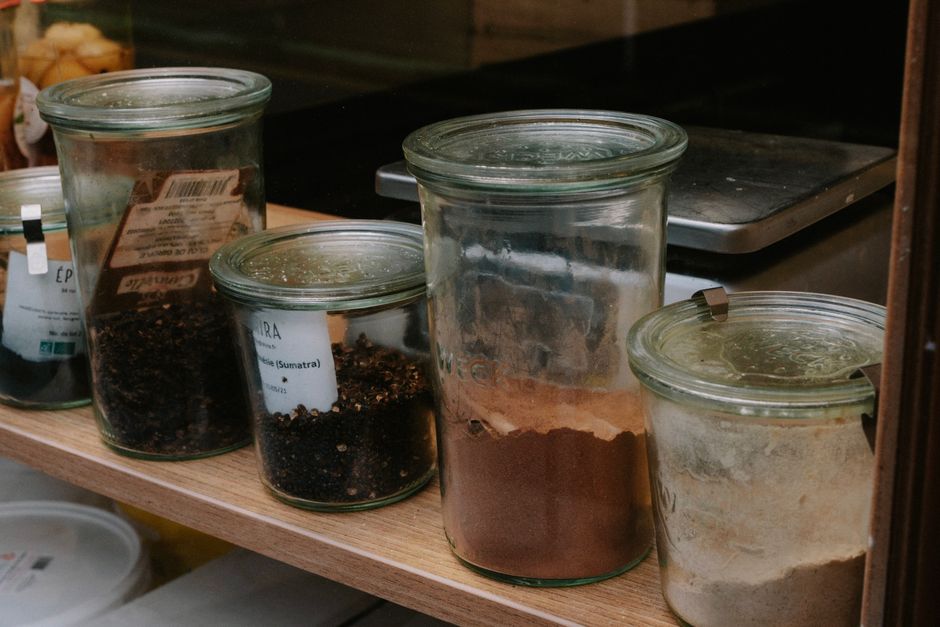
The short answer: Store spices airtight, cool, and dark. Ground spices usually begin to fade after 2 to 3 years; whole seeds often keep flavor for 3 to 4 years. Use a 1 to 2 inch smell test and a 10 to 30 second bloom in oil to decide whether to discard or boost a spice.
How to Check Spice Potency
Spices lose aroma as volatile oils oxidize and evaporate. A reliable, repeatable check takes three quick steps: smell, taste, then bloom. Use consistent amounts so you can compare results across jars: a 1/16 teaspoon for smell and taste checks, and 1/4 teaspoon for a bloom test in 1 tablespoon of neutral oil.
Step 1, the smell test: place 1/16 teaspoon on a white plate or the palm of your hand, hold it 1 to 2 inches from your nose, and inhale gently for no more than 5 seconds. A fresh ground spice gives a clear, immediate scent within 1 second. If you detect no clear aroma after 5 seconds, the spice has lost most of its volatile oils and will be weak in recipes.
Step 2, the taste test: put a small crumb or 1/16 teaspoon on the tip of your tongue using a clean spoon. Note whether the flavor is brisk, dull, or bitter. If you need to double the usual recipe amount to notice the flavor, plan to replace the spice rather than adjust whole dishes long term.
Step 3, the bloom test: heat 1 tablespoon neutral oil (canola or grapeseed) over medium heat for 20 to 30 seconds until it shimmers but does not smoke. Add 1/4 teaspoon of the spice and stir for up to 30 seconds. If the oil becomes noticeably aromatic within 10 to 15 seconds, the spice still has usable oils. If nothing happens after 30 seconds, discard the spice for cooking use.
Whole spices require a slightly different approach. For peppercorns, cardamom pods, cumin or coriander seeds, crack one open and smell both the pod and the inner seed. Whole seeds are protected and often retain oils for 3 to 4 years if kept airtight and cool. If the broken seed gives a clear aroma immediately, it is still useful for grinding.
Keep records as you test: mark jars with a purchase or grind date in MM/YYYY format and add a one-line note when you tested the jar, for example Tested 04/2026: weak. That single datum reduces guesswork later and helps you follow a replacement schedule rather than relying on memory.
Quick storage checklist
Date, revive, replace on schedule.
Write the date
Mark purchase or grind date in MM/YYYY plus a one-line test note like Tested 04/2026: weak.
Toast to revive
Toast whole spices in a dry skillet over medium heat 30 to 90 seconds, shaking every 10 seconds until fragrant.
Whole spices retain aroma longer because the intact seed or pod protects volatile oils; proper storage extends this by 6 to 12 months in many cases.
Improve, Store, and Replace Spices
If a spice is borderline, you can often revive its aroma for a meal or two. For whole spices, toast them in a dry skillet over medium heat for 30 to 90 seconds until fragrant, shaking the pan every 10 to 20 seconds to avoid charring. Remove immediately and grind while warm; the heat releases oils and gives an immediate boost to dishes.
To revive ground spices, use a short bloom: add 1/2 teaspoon of the ground spice to 1 tablespoon hot oil and cook for 10 to 20 seconds before adding other ingredients. This is particularly effective for curry powder, ground cumin, ground coriander, and smoked paprika. The technique unlocks residual oils and can make older ground blends behave like fresher ones for the next 1 to 3 servings.
Measure and adjust recipes rather than guessing. If a spice smells weak, increase it by 25 to 50 percent and taste as you go. For example, if a recipe calls for 1 teaspoon of ground cumin and the jar seems faint, start with 1 1/4 teaspoons and add up to 1 1/2 teaspoons in 1/4 teaspoon increments, tasting after each addition.
Choose the right containers: 2- to 4-ounce amber glass jars with tight screw caps are ideal for most ground spices; use 3- to 6-ounce jars for whole spices. Label each jar with the grind or purchase date in MM/YYYY and keep frequently used jars in a lower cabinet 6 to 18 inches from heat sources such as ovens and stovetops. Do not store spices in clear jars on a sunny windowsill.
If you buy in bulk, portion into working jars of 1 to 2 tablespoons and refill those jars from the bulk bag no more than once every 1 to 2 months. Store the bulk supply in a sealed food-grade bag in a cool, dark pantry and keep it below 75F. This method minimizes the number of times you expose the working jar to air.
Rotation and replacement: write a replacement month on each jar at purchase, and follow a simple rotation rule: replace ground spices every 2 years and whole spices every 3 to 4 years. For commonly used items such as black pepper and ground cinnamon, consider replacing every 12 to 18 months to maintain peak flavor in sauces and baked goods.
Dispose responsibly: compost whole seeds and pods when possible, and discard old ground spices that smell musty or show no aroma after a bloom test. Maintain a short list of 8 to 12 daily-use spices that you refresh on a fixed schedule so the rest of your collection can be bought in smaller quantities and stored long-term.
Frequently Asked Questions
Further reading: How to Seal Jars to Keep Pantry Pests Out · How to Track Pantry Inventory to Cut Grocery Waste
Sources: FoodSafety.gov


