 Field & Home

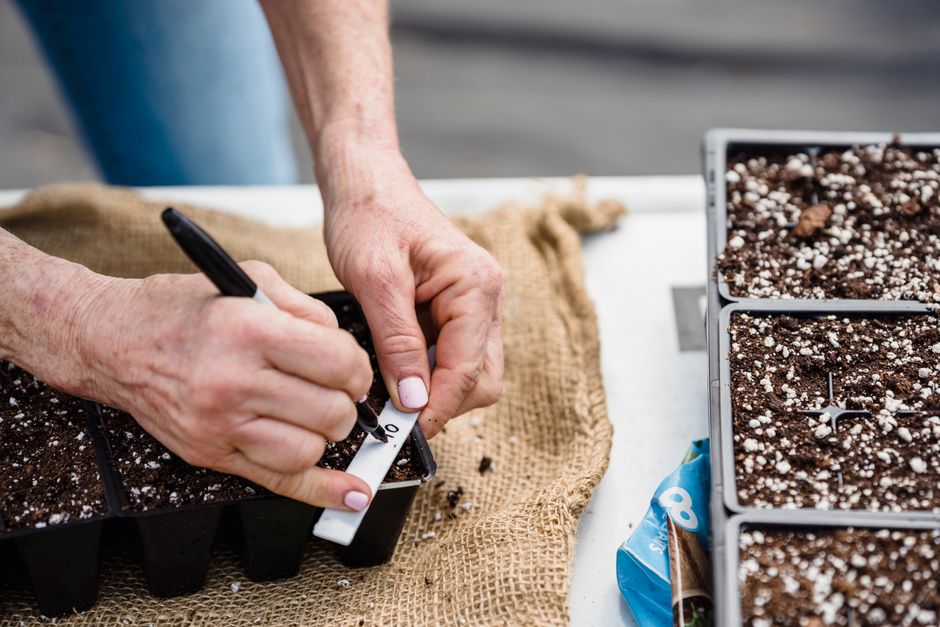
The short answer: Radishes, bush beans, and cherry tomatoes give quick, reliable yields and teach essential garden basics in a single season.
Three easy veggie starters
Start with vegetables that germinate predictably, tolerate a range of soils, and reward beginners within weeks. Radishes, bush beans, and cherry tomatoes cover direct-sown quick crops, nitrogen-fixing legumes, and a fruiting plant that teaches pruning and staking. Together they deliver staggered harvests and a broad set of gardener skills—seed depth, spacing, watering rhythm, and pest scouting—so you learn by doing in the first season.
Choose a site with 6–8 hours of sun for tomatoes and full or partial sun for beans and radishes. Prepare soil by loosening the top 6–8 inches with a spade or fork, removing large stones, and mixing in 1–2 inches of finished compost across the bed (about 2 to 4 gallons per 4 square feet). If you’re using containers, pick sizes of at least 6 inches deep for radishes, 12 inches deep for beans, and a 5-gallon or 12-inch-diameter container for each tomato plant to give roots room to develop.
Plan planting dates: radishes can go in as soon as soil is workable in spring or in late summer for a fall crop and will be ready in about 21–30 days. Bush beans prefer soil above 55°F and mature in roughly 50–60 days from sowing. Cherry tomatoes transplanted after the last frost will produce fruit in 60–80 days, depending on variety, and keep producing for 8–12 weeks when properly spaced and fed.
Radishes first
- Half-inch deep, ready 21 to 30 days
- Best for: fastest first harvest
- Thin to 2 in at 1 in tall
Beans then tomatoes
- Beans 50-60 d, tomatoes 60-80 d
- Best for: skills that stack all season
- Tomatoes fruit 8 to 12 weeks fed
Why these three?
Sun, soil, and pots for three starters.
Water 1 inch weekly
About 1 inch per week or twice-weekly surface checks in heat; pick radish at 1 inch roots.
Beans past 55 F soil
Sow beans 1 inch deep 2 to 4 apart in 18-inch rows once soil tops 55 F.
Planting and care steps
Radishes: sow seed 1/2 inch deep in a shallow trench or broadcast line, then cover lightly. Space seeds about 1 inch apart and thin seedlings to 2 inches when they reach 1 inch tall to give roots room to expand. Keep soil evenly moist; aim for about 1 inch of water per week or check soil surface twice weekly in hot weather. Harvest when roots reach about 1 inch in diameter to avoid pithy texture; most varieties mature in 21–30 days.
Bush beans: plant seeds 1 inch deep and 2–4 inches apart in rows 18 inches apart, or in a 12-inch container space 3–4 seeds around the pot edge. Water at planting to settle the soil, then maintain consistent moisture during the first 10–14 days to ensure even germination. Add a 1-inch band of compost when planting and avoid high-nitrogen inputs that favor leaf growth over pods. Harvest pods when they are 4–6 inches long; check plants every 2–3 days and pick frequently to encourage ongoing production.
Cherry tomatoes: use transplants after the last frost and plant deep so the first set of leaves sit just above the soil—burying the stem to the lowest true leaves encourages extra root formation. Space plants 18–24 inches apart, and place each in a 5-gallon pot or a bed with 12–18 inches of root depth. Mulch 2–3 inches around the base to conserve moisture and suppress weeds. Water deeply with 1 to 2 quarts per plant twice weekly, increasing frequency in hot, dry spells; measured irrigation equivalent to about 1 inch of water per week keeps fruit from cracking and supports steady growth.
Fertilizing: work 1 cup of finished compost into each tomato planting hole, or spread 1–2 inches of compost across seed beds for radishes and beans (roughly 3 to 6 gallons per 10 square feet). For tomatoes, top-dress with 1/4 cup of compost or a balanced organic fertilizer every 4–6 weeks during the growing season. Avoid excess nitrogen for radishes, which reduces root development and produces leafy plants.
Staking and pruning tomatoes: install stakes or cages 1–2 weeks after transplanting. For indeterminate cherry tomato varieties, remove suckers up to the first flower cluster to promote a single-stem habit and improve airflow; remove no more than 10–20 percent of foliage at a time to maintain photosynthesis. Determinate or patio varieties require minimal pruning—focus on support and leaf removal only as needed.
Pests and disease management: inspect plants every 3 days for holes, eggs, or sticky residue. Handpick large pests like beetles and caterpillars, knock off small aphids with a strong spray of water, or apply a 1 tablespoon per gallon neem oil mix as an organic control if infestations persist. To reduce fungal problems, avoid overhead watering, space plants for at least 12 inches of airflow where practical, and rotate beans and radishes to a new bed each year to lower disease carryover.
Succession planting: sow radish rows every 10–14 days from spring through early summer for continuous harvests and again in late summer for fall crops. Sow bush beans every 2–3 weeks during the warm part of the season to stagger yields. Plan 1–3 tomato plants per household member for fresh eating—each healthy cherry tomato plant can produce dozens to hundreds of fruits over an 8–12 week peak harvest period.
Common beginner mistakes to avoid include overcrowding (which invites disease), overwatering containers (which can suffocate roots), and planting beans before soil reaches at least 55°F. A simple soil test to check pH—aim for 6.0–7.0—helps avoid nutrient lockups; follow local extension recommendations for lime or sulfur adjustments based on test results.
Frequently Asked Questions
Further reading: How to Grow Vegetables You Can Harvest in a Month or Less · How to Plant Garlic for Bigger Summer Bulbs
Sources: UMN Extension