 Field & Home
The short answer: Measure doorways and floor space first, pick a mattress no thicker than 6 in for compact pull-outs, and choose a frame and mechanism rated for at least 250 lb per seat.
Measure and plan layout
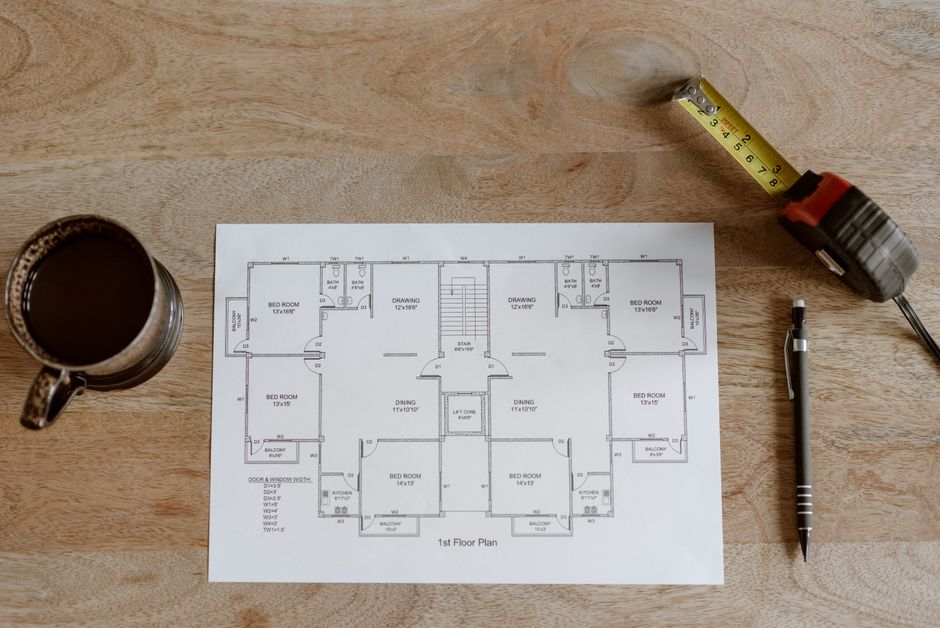
Start with a simple floor plan. Use a tape measure to capture room width and length, door width, hallway and elevator clearances, and the distance from the planned sofa wall to the nearest obstruction. Record four measurements: room width, room length, minimum doorway width, and the clearance in front of the planned sofa. For example, note a doorway width of 30 inches, a room width of 110 inches, and 36 inches of walking space in front of the sofa.
Think in terms of open dimensions when the sleeper is deployed. A typical full-size pull-out requires about 53 inches of mattress width and 75 inches of mattress length; a queen needs roughly 60 by 80 inches. Add the sofa depth when folded (commonly 32 to 40 inches) plus the open mattress length to ensure you have unobstructed space. Draw the sofa both folded and open on graph paper or use a 1:12 scale cutout to verify fit.
Check entry paths next. Measure door frames and stair landings: if the smallest doorway on the path is 28 inches, you cannot bring in a 30-inch-wide boxed frame without disassembly. Many sleeper sofas allow leg removal or partial frame disassembly; verify the number of removable pieces and whether two people are required to move it—most medium sofas are moved by two people and weigh between 100 and 160 lb.
Room flow tip
Open sizes, weights, and paths that fit small rooms.
Draw both states 1:12
Sketch folded 32 to 40 in deep plus open mattress on graph paper before ordering anything.
Smallest door rules
A 28-inch doorway blocks a 30-inch boxed frame; confirm leg removal and 36 in walk space.
Pick the right features and mechanism
Mechanism type determines how the bed opens and how much depth you need. Common mechanisms include a pull-out metal frame with an innerspring or foam mattress, click-clack or double-fold futons, and trundle-style sleepers. Pull-out mechanisms require a clearance equal to the mattress length plus the folded sofa depth; for a full mattress that is typically 75 in plus 34 in of folded depth, so plan for roughly 109 in of open length.
Mattress choice affects both comfort and storage. Thin innerspring or foldable foam mattresses 4 to 6 inches thick are common in compact models because they fold and store more easily; thicker mattresses over 6 inches may not fold cleanly in smaller frames. For regular nightly use, look for higher-density foam in the 1.5 to 2.5 lb/ft3 range or hybrid designs; for occasional guests, a 4 in foam or 5 in innerspring often balances comfort and compactness.
Upholstery and frame materials impact durability and maintenance. Tightly woven performance fabrics or leather alternatives resist stains and stand up to frequent folding; cotton and velour show wear faster. If you expect pets or children, choose performance fabric with a removable cushion cover and zippers that allow machine washing every 3 to 6 months, or plan to vacuum the sofa weekly to remove grit that abrades fabric and mechanisms.
Weight ratings matter. Check the manufacturer’s per-seat weight capacity—common ratings are 250 to 400 lb per seat. If two people will sleep on the open mattress, ensure the mattress and frame together support combined weights safely; look for explicit load ratings and a warranty that covers mechanisms for at least 1 to 5 years.
Assembly and maintenance are practical considerations. Many compact sleepers ship partially assembled with legs and arm panels to attach on site; plan for a 30 to 60 minute assembly time with one or two people and a standard Phillips screwdriver or an included hex key. Lubricate metal sliders and hinges once a year with a dry silicone spray to reduce noise and sticking, and tighten hardware after the first 30 days of use.
“Prioritize mattress thickness and doorway clearance over upholstery pattern; they determine whether the sleeper will actually fit and function in a small room.”
—
If you want flexible daily use, consider an innerspring pull-out with a 5 in mattress and a reinforced steel frame. If you need something ultra-compact for occasional guests, a fold-out foam mattress integrated into a compact frame or a trundle that stores under a daybed may be the best option. Evaluate tradeoffs: thinner mattresses save space but provide less pressure relief, while thicker hybrids increase comfort at the cost of a larger folded footprint.
Small details make installation easier. Measure door height and width plus diagonal clearance if you must pivot the piece around corners. Remove sofa legs and packaging before attempting entry; many sofas lose 2 to 4 inches of height when legs are removed, which can be decisive in tight elevators or doorways. Keep the original box for the first 30 days in case you need to return or exchange the unit.

Frequently Asked Questions
Further reading: Where to Store Bicycles Inside a Small Apartment? · Open Shelving Room Dividers: Six Layouts for Turning One Room Into Two
Sources: EPA Safer Choice