 Field & Home

The short answer: Streak-free windows are achievable with a two-step approach: degrease with a mild cleaning solution, then squeegee in 10–12 inch overlapping strokes; expect 15–30 minutes per standard 3×5 ft window.
Prep and Tools
Begin by sizing the job and assembling tools. For most jobs you will need a 2 gallon bucket, a 10 to 12 inch rubber-blade squeegee, at least two 300 to 400 GSM microfiber cloths per person, a soft scrub brush or sponge, a spray bottle, and a ladder rated for your height. Measure window panes before you start; a 3 x 5 ft pane can be cleared with 3 to 5 squeegee passes. Carry a small towel to dry the sill and a second bucket for rinsing screens.
Remove insect screens and hardware where possible. Put screens in a shallow tub with warm water and 1 tablespoon of dish soap per gallon, and soak for 10 minutes. After soaking, brush both sides with a soft brush, rinse with a garden hose or a second bucket of clear water, and let air dry on a towel for 20 to 30 minutes before reinstalling.
Mix cleaning solutions on location. A reliable general recipe is 1 gallon warm water plus 1/4 cup white vinegar and 1 teaspoon liquid dish soap; the vinegar cuts grease and the soap helps suspend dirt. For fast-drying or cold-weather work, mix 1 cup rubbing alcohol with 1 cup water and 1/4 teaspoon dish soap in a spray bottle; this blend dries in 1 to 2 minutes. Avoid undiluted ammonia on tinted or coated glass and never use abrasive powders on sealed units.
Take 5 to 10 minutes to set up safely: place a drop cloth under the window, lock the ladder on an even surface with at least one foot of clearance behind you, and test your squeegee on a scrap pane or mirror. If a window sits above a deck or overhanging roof, plan an alternate access route or use a water-fed pole to avoid unsafe overreach.
Quick facts
Buckets, blades, and mixes for clear panes.
Squeegee 3 to 5 passes
A 3 by 5 ft pane clears in 3 to 5 top-down passes; first pass erases about 90 percent of streaks.
Cold mix dries 1 to 2 min
One cup alcohol plus 1 cup water plus quarter-teaspoon soap beats winter drips fast.
DIY bucket method
- Two cloths 300 to 400 GSM plus squeegee
- Best for: most homes with time
- Setup 5 to 10 min, pole-free reach
Pro pole systems
- Water-fed speed on tall facades
- Best for: high glass and big counts
- Costs more, climbs less

Cleaning Techniques Overview
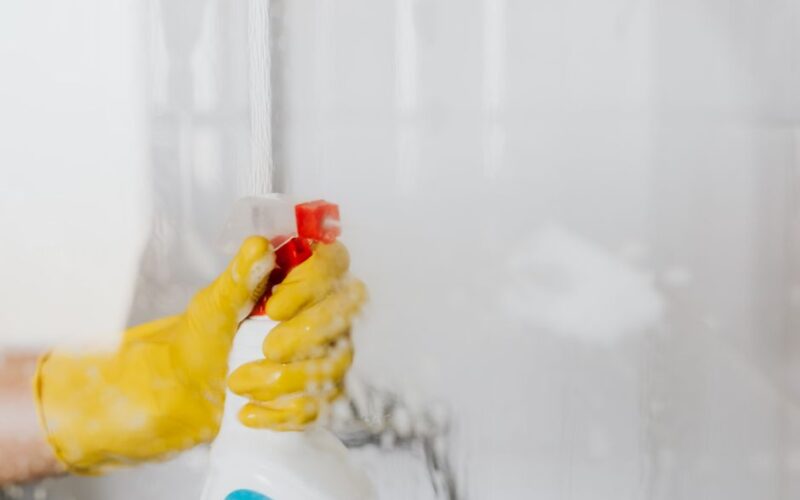
Start wet-cleaning from the top of the pane and work down. Spray the pane with your chosen solution or apply with a sponge, then loosen grime with a soft circular motion concentrated on 2 to 4 inch swathes. Allow the cleaner to work for 30 to 60 seconds on very greasy areas. For very large panes, work in 2 ft vertical sections so the surface stays wet while you squeegee.
Squeegee technique: hold the handle at a roughly 30 degree angle to the glass and pull straight down in 10 to 12 inch strokes, overlapping each pass by about 1 inch. Wipe the blade with a clean microfiber after each full-length pass to avoid redepositing dirt. For a 3 x 5 ft pane expect 3 to 5 passes; finish by wiping the edges with a dry microfiber cloth in 20 to 30 seconds.
Interior panes are usually quicker: use the alcohol mix to speed drying, and buff edges immediately to avoid sill drips. Exterior panes may need an initial rinse with a hose or a bucket of clear water to remove loose grit; this prevents scratches when you squeegee. For hose work, a gentle 30 to 40 psi setting is sufficient to rinse without forcing water behind seals.
For hard water deposits or mineral films, apply a 50:50 white vinegar and water solution, let it sit for up to 15 minutes, then scrub gently with a soft brush and rinse. Persistent etching or fogging between double panes indicates a failed seal; typical sealed units last about 10 to 15 years, and these failures generally require a replacement unit by a professional.
Maintain microfibers and blades for longevity: wash microfibers every 6 to 10 uses on a gentle cycle without fabric softener; expect 50 to 100 washes per cloth depending on use. Replace squeegee blades when you notice nicks or when streaks increase after a pass—usually every 6 to 12 months for regular residential use.
Finish with a quick inspection in bright light, working any missed streaks with a lightly damp microfiber in a circular motion then a single squeegee pass. Store tools dry and flat; hang a squeegee by the handle and air-dry microfibers for at least 24 hours before folding and storing.

Frequently Asked Questions
Further reading: Seven Chemical-Free Drain Fixes Worth Trying First · How to Deep-Clean a Small Bathroom in Under Ninety Minutes
Sources: EPA Safer Choice