 Field & Home

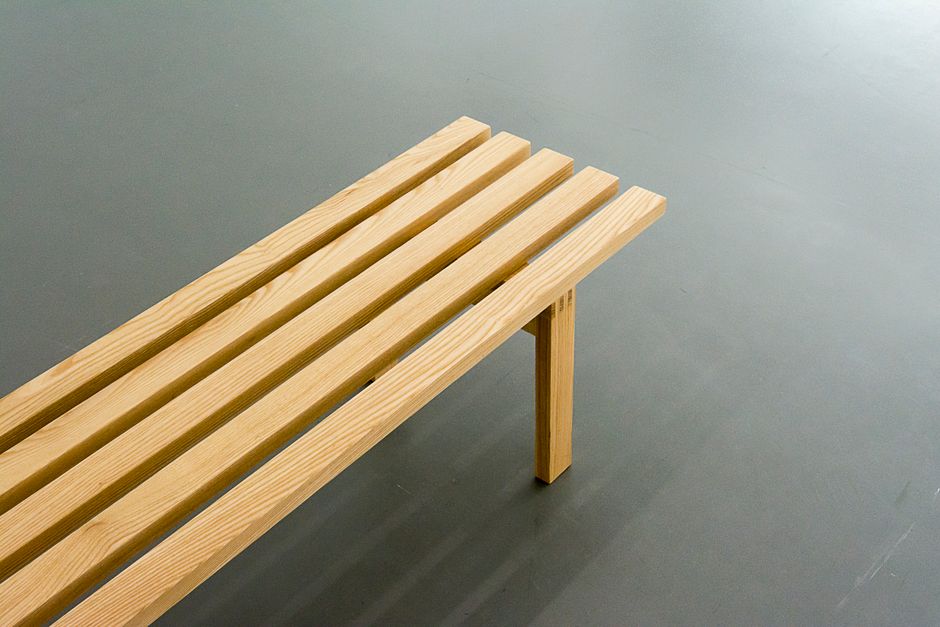
The short answer: A sturdy planter-bench can be built in a single weekend: 48 inches long, 16 inches deep seat, and 12-inch-deep planting boxes make a comfortable two-person seat and a viable planter for herbs or annuals.
Design and prep
Start by defining where the bench will sit. Pick a level spot with 3 to 6 feet of clearance in front for walking and 6 to 12 inches of clearance behind so plants can spill over. The most versatile home size is 48 inches long by 18 inches deep overall; that fits two adults and two 12 x 12 x 12 inch planter boxes under the seat.
Decide on materials: exterior-grade cedar or pressure-treated pine are the easiest to source and resist rot. For a 48-inch bench with two planter boxes you will typically need: four 8-foot 2x4s for the frame and legs, three 1×6 cedar boards for the seat surface (cut to 48 inches), and two 12 x 12 x 3/4 inch plywood panels for the planter bottoms. Expect to cut roughly 6 to 8 boards total and use 30 to 40 deck screws.
Gather tools: circular saw or miter saw, drill and a #2 Phillips driver, countersink bit, 1/8 inch drill bit for pilot holes, tape measure, carpenter’s square, and exterior wood glue. Allow about 2 hours for cutting and dry-fitting parts, 3 to 4 hours for assembly the first time you build this, and another 2 hours for sanding and prepping before finish.
Materials & Tools
Size, stock, and screw counts for a 48 inch weekend.
Pilot every hole
Pre-drill eighth-inch pilots and drive inch-and-a-quarter screws so cedar never splits at the corners.
Drain each box
Bore 6 to 8 half-inch holes per planter bottom so a storm never drowns the roots.
Cedar build
- Rot-resistant, easy to source
- Best for: clean finish with glue plus screws
- Sand then finish before planting
Pressure-treated pine
- Cheaper, heavier, needs drying time
- Best for: budget frames left to weather
- Seal cuts and check twists first
Forty-eight inches seats two adults over two 12 inch planter boxes.
Seventeen-inch legs land the seat at 17 to 18 inches with boards on.
Half-inch holes, 6 to 8 per box, keep soil moist but never soggy.
Build and finish
Step 1 — cut the frame: From 2×4 stock, cut two long rails at 44 inches to create an internal frame for a 48-inch bench (allow 2 x 1/2 in seat overhang). Cut four legs at 17 inches for a finished seat height around 17 to 18 inches (account for seat thickness). Cross-brace with a center support cut to 40 inches to sit between the rails.
Step 2 — assemble the planter boxes: build two boxes 12 in wide x 12 in deep x 12 in tall using 1×6 cut to length, or use 3/4 in plywood for the sides. Fasten corners with 1-1/4 in exterior screws and waterproof glue; pre-drill 1/8 in pilot holes to avoid splitting. Drill 1/2 in drainage holes in each plywood bottom panel—plan for 6 to 8 holes spaced evenly per box.
Step 3 — attach boxes to frame: set planter boxes into routed notches or fasten them to the inside face of the rails so the top of the boxes sits flush with the underside of the seat. Use 2-1/2 in deck screws through the frame into the box sides, two screws per side, and a center screw under each box for extra support (about 6 screws per box).
Step 4 — seat and finish: cut three 1×6 cedar boards to 48 inches and arrange with 1/8 in spacing for drainage. Screw them down with 1-1/4 in exterior screws into the rails, countersinking each screw. Sand the assembled unit with 80 then 120 grit paper; remove dust with a tack cloth. Apply two coats of an outdoor-grade, semi-transparent stain or spar urethane, allowing at least 24 hours drying between coats—plan for 48 hours total drying time before planting to avoid fumes and film damage.
Step 5 — planting and maintenance: line each planter with a 1/8 in layer of landscape fabric and add 2 to 3 inches of coarse gravel for drainage. Fill with high-quality potting mix and plant herbs or annuals, spacing plants 3 to 9 inches apart depending on species. Water deeply for the first 7 days to establish roots, then reduce to a regular schedule—most herbs prefer one 10-minute soak every 3 to 5 days in summer.
Optional tweaks: add felt or rubber feet to the legs to protect decking and keep the bench 1/4 to 1/2 inch above the surface, improving airflow and reducing rot. If you plan to move the bench, add two inset handles on the underside; this adds about 10 minutes per handle to your build time.
Frequently Asked Questions
Further reading: How to Soundproof a Thin-Walled Rental Bedroom · Draft Stoppers: Five-Minute Window and Door Fixes
Sources: This Old House