 Field & Home
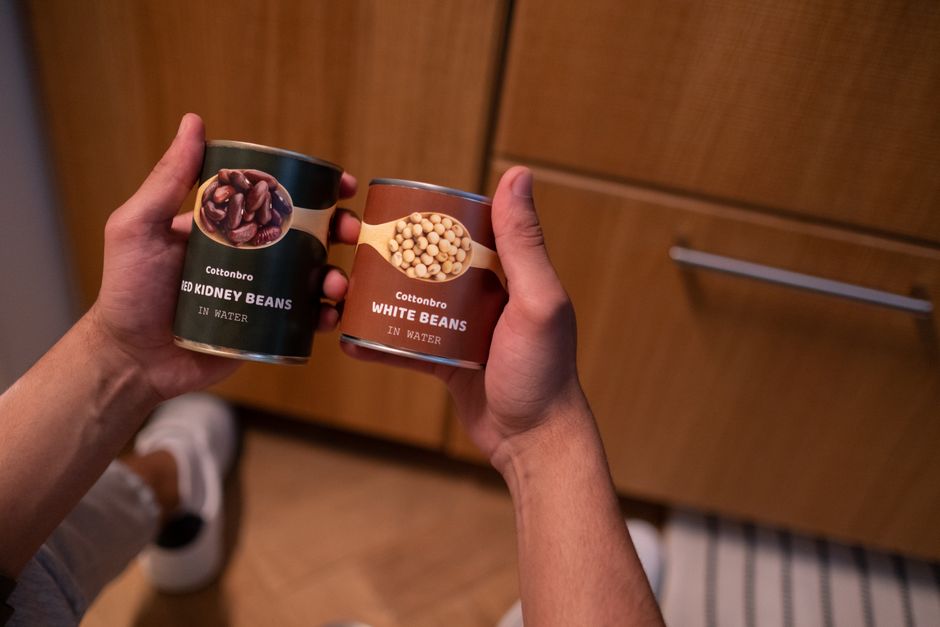
The short answer: Dried beans usually cost less per cooked cup, but canned beans win on convenience; use simple yield math, sample measurements, and pressure-cooker timing to save both money and time.
Cost and yield basics
When you compare dried beans with canned, the two key variables are yield (how many cooked cups you get) and price per package. A compact way to compare is cost per cooked cup. Use three numbers you can measure at home: how many cups a package makes when cooked, how much the package costs, and how many cups you plan to serve per meal.
Practical conversions to measure at home: one level cup of dried beans typically yields about 2.5 cups cooked; one 15-ounce can of beans drains to about 1.5 cups. One pound of dried beans contains roughly 2.5 cups dry, so a pound usually yields about 6.25 cups cooked (2.5 cups dry × 2.5 expansion = 6.25 cooked cups).
Do a quick home test before you buy in bulk: measure 1 cup of dry beans, note the volume after cooking, and record the package price. For a single test batch, rinse and sort 1 cup dry, soak or not per your method, cook until tender, then pour into a measuring cup to see the cooked yield. That single measurement drives your cost math for any brand.
Example math: if dried beans cost $1.50 per pound, divide $1.50 by 6.25 cooked cups to get about $0.24 per cooked cup. If a 15-ounce can costs $0.90 and yields 1.5 cups drained, the cost is $0.60 per cup. In that example, dried beans cost roughly 60% less per cooked cup. If a store-brand can is $1.20, the canned cost rises to $0.80 per cup; if dried are $2.50 per pound, dried cost becomes $0.40 per cup—still often cheaper but the gap narrows.
To scale bulk buys: a 10-lb bag contains about 25 cups dry (10 lb × 2.5 cups dry per lb) and will yield roughly 156 cooked cups (10 lb × 6.25 cooked cups per lb). That is useful when planning long-term stock or estimating meals: 156 cooked cups provides about 312 half-cup servings.
What affects yield
Weight, soak, and storage math.
Soak to save time
An 8 to 12 hour overnight soak in 3 cups of water per cup of beans cuts cooking time nearly in half.
Plan the storage
Cooked beans hold 4 to 5 days refrigerated; freeze the rest in 2-cup portions for instant meals.
“Dried beans are the slow savings: a little time up front buys lower cost per meal later.”
—

Cooking, storage, and practical saving steps
Once you choose dried for cost savings, plan for time and storage. Soaking reduces cooking time and improves digestibility. Two common soak methods: an overnight soak of 8 to 12 hours (use 3 cups of water per 1 cup of dry beans), or a quick-soak method where you boil beans for 1 minute, remove from heat, cover, and let sit 1 hour before draining. After either soak, discard the soaking water and start with fresh water for cooking.
Cooking options and timing: stovetop simmering after soaking takes about 45 to 90 minutes depending on bean type (lentils and split peas are faster, 15–30 minutes). In a pressure cooker, rinse and add 2 to 3 cups of water per 1 cup dry; for common beans (black, pinto, navy) cook unsoaked beans 10–15 minutes at high pressure with a 10–15 minute natural release. Soaked beans typically take 6–8 minutes at high pressure with a 10-minute natural release. Larger legumes such as chickpeas usually require 25–40 minutes unsoaked at high pressure.
Step-by-step pressure-cooker batch method: 1) Rinse and sort 4 cups dry (about 1.6 lb). 2) Add to the cooker with 8–10 cups water (2.0–2.5 cups water per cup dry). 3) Lock lid and set to high pressure for 10–12 minutes for common beans unsoaked. 4) Let the pressure release naturally for 10–15 minutes, then quick-release any remaining pressure. Total elapsed time from start to ready beans is often 25–35 minutes for a batch that would take 60–90 minutes simmering.
Water ratios for cooking are simple: start with 3 cups of water per 1 cup of dry beans for simmering; in a pressure cooker use 2 to 3 cups of water per cup dry to avoid foam and maintain pressure. Add salt after cooking if you want firmer skins; adding salt early can slow softening. For acidic additions (tomato, vinegar), add them near the end so beans finish tender.
Storage: unopened canned beans typically last 2 to 5 years on the shelf; dried beans keep well for 1 to 2 years if stored in a cool, dry place in an airtight container. For long-term dry storage, transfer bulk beans into airtight food-grade buckets or glass jars. One quart jar equals 1 quart = 4 cups, so a 10-lb bag (~25 cups dry) fits into roughly six 1-quart jars. For multi-year storage, use Mylar bags with oxygen absorbers inside a bucket—typical 5-gallon buckets with a sealed Mylar liner can hold several 10-lb bags safely.
Cooked beans refrigerated in a sealed container last 3 to 5 days and freeze well for up to 3 months—package in 1- or 2-cup portions to thaw only what you need. To freeze flat, spoon 1-cup portions into freezer bags, squeeze out air, lay flat on a tray until solid, then stack. Thaw in the fridge overnight (about 8–12 hours) or add frozen portions directly to soups and stews, increasing cooking time by roughly 10–15 minutes.
Practical saving strategies:
1) Buy dried in bulk. A 10-lb bag at warehouse prices often reduces the per-pound cost by 20–50% compared with small bags. Estimate yield before you buy: multiply pounds × 6.25 cooked cups per pound to calculate total cooked cups and cost per cup from the total purchase price.
2) Batch-cook and portion. Cook 6–12 cups at once (about 2.5–5 lb dry), cool to room temperature within 2 hours, and freeze in 1-cup portions. Each 1-cup portion makes 2 standard 1/2-cup servings in a recipe or 1 generous serving as a side; label bags with date and contents to rotate stock every 2–3 months.
3) Use a pressure cooker or Instant Pot. Time per batch drops by roughly 60–70% compared with long-simmering; for example, a 12-minute pressure cook plus a 10-minute natural release yields ready beans in about 22 minutes versus 60 minutes simmering. That reduces active time and stovetop energy—useful when you want both speed and the lower cost of dried beans.
4) Reduce waste and stretch meals. Repurpose aquafaba from canned beans as an egg-replacer in recipes (use roughly 3 tablespoons aquafaba in place of 1 egg white in many meringue recipes) and reserve starchy cooking liquid from dried beans to thin soups or sauces. These small recoveries let you stretch each batch by about 5–10% in practical servings.
Recipe planning tip: treat 1 cooked cup of beans as roughly 160–180 grams by weight and 240–260 milliliters by volume for portioning in soups, salads, and chili. That helps scale recipes precisely for 2, 4, or 6 people and ensures consistent nutrition and serving sizes.
Frequently Asked Questions
Further reading: Draftproofing vs New Thermostat: Winter Bill Math · Cash Envelopes in 2026: Does the Method Still Work?
Sources: FTC Consumer Advice



One response