 Field & Home
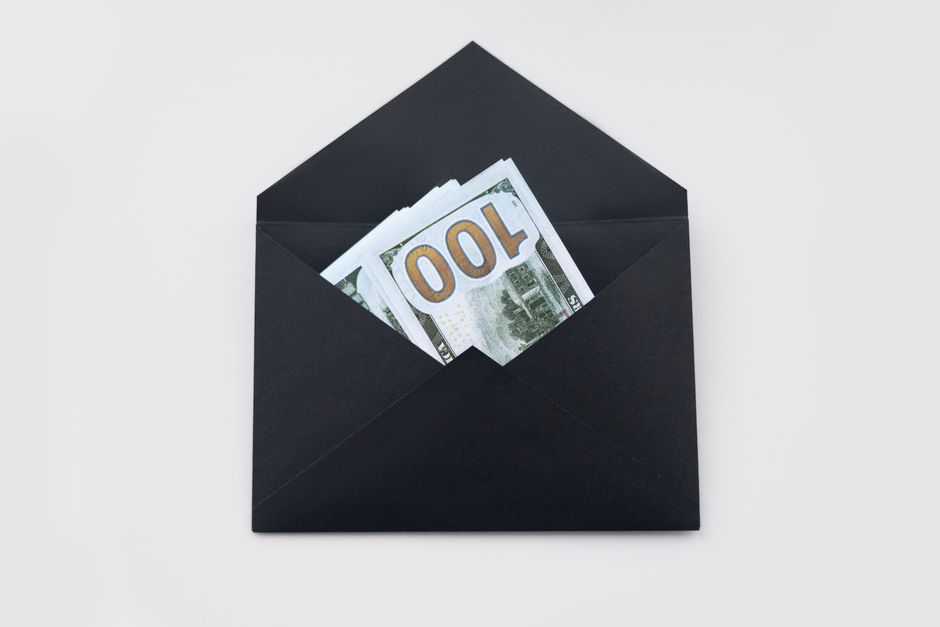
The short answer: Cash envelopes still work because they make spending limits tangible: use 8-12 labeled envelopes, refill on a fixed cadence (weekly or monthly), and treat sinking funds like mini-savings goals.
Budget basics
Cash envelopes are a low-tech budgeting system where you divide physical cash into category-specific envelopes (groceries, gas, fun, gifts, etc.) and spend only what’s in each envelope. The method forces visibility: once an envelope is empty, spending in that category stops until the next refill. That visible constraint reduces impulse purchases and increases awareness of where money actually goes.
Start with 8 to 12 envelopes for a typical household budget: essentials (rent/mortgage, utilities), groceries, transportation, personal care, entertainment, gifts, and a general buffer. Many people add 2–4 sinking-fund envelopes for irregular costs like car maintenance or annual insurance. A practical envelope size is 6.5 x 4 inches for folded bills and receipts; larger 9 x 6 envelopes work if you keep receipts or coupons inside.
Decide on a cadence: refill envelopes either weekly or monthly depending on how often you get paid. If you’re paid twice a month, refill at each paycheck; for weekly pay, refill every 7 days. For example, if grocery spending averages $400 per month, you can allocate $200 at each semimonthly refill or $100 weekly. That concrete rhythm helps you plan errands and meals around the cash you actually have.
Sample starting allocation for a two-person household earning about $3,200 monthly (bills paid by bank): groceries $400, transportation/gas $120, dining out $60, personal care $80, entertainment $50, gifts $30, household supplies $40, buffer $60, sinking funds combined $160. These numbers give clear targets and can be adjusted after one month of tracking.
Keep categories specific enough to guide behavior but broad enough to be manageable; collapsing very small categories into a single “misc” envelope prevents excessive switching. If you expect seasonal changes, plan ahead: increase the gas envelope by 10% for winter months and reduce the entertainment envelope by a fixed dollar amount when planning a large purchase.
Why it works
Counts, sizes, and cadence that make cash stick.
Refill on payday
Twice-monthly pay means $200 per grocery refill on a $400 month; weekly pay means $100 every 7 days.
Collapse the crumbs
Fold tiny categories into one misc envelope so switching never eats the savings.
Cash envelopes
- Empty envelope stops the category cold
- Best for: killing impulse grocery runs
- Sinking funds cover 2 to 4 irregulars
Card-only budgeting
- One balance hides every trade-off
- Best for: auto-paid fixed bills
- Needs apps to mimic the visibility
Step-by-step setup
Initial setup takes about 45–90 minutes. Gather materials: 8–12 envelopes (or a set of labeled zipper pouches), a permanent marker or printed labels, a small cash box or accordion organizer, and a simple budget worksheet (paper or spreadsheet). Label each envelope with the category name and a target amount. If you prefer reusable options, buy a cash envelope wallet that holds 6–10 pockets measuring roughly 3.5 x 6.5 inches per pocket.
Step 1 — list categories. Write every spending category you want to control, then collapse minor items into a single “misc” envelope. Step 2 — set amounts. Use last month’s bank statements to total spending in each category, then decide whether to maintain, reduce, or increase that number. For example, if you spent $480 on dining last month, set a target of $360 next month (a 25% reduction) and place $90 in the weekly dining envelope if you refill four times per month.
Step 3 — funding schedule. Choose refill frequency that matches income timing. If you’re paid on the 1st and 15th, fund envelopes twice a month. If you’re paid weekly, fund weekly. Break monthly targets into the refill cadence: $600 monthly for groceries becomes $300 at each semimonthly refill or $150 weekly for four-week months.
Step 4 — track and adjust. Keep a slim ledger in the box and record each envelope withdrawal: date, amount, remaining balance. A simple ledger column layout is Date | Item | Amount | Balance. Example entry: 03/05 | Groceries | -$23.45 | $176.55. Reconcile your ledger with bank and app totals once per month, preferably within the first 7 days after the month ends, and adjust envelope amounts by specific percentages (for example, increase the gas envelope by 10% in winter months).
Use sinking-fund envelopes for predictable but infrequent expenses. To save $360 for annual car registration, put $30 into the “car” envelope each month for 12 months, or $15 biweekly for 24 pay periods. Treat those envelopes like small savings accounts: label the purpose and the target amount so you know when the goal is met.
Practical tips for receipts and records: fold receipts and tuck them into the envelope or staple them to the ledger line; keep digital photos of receipts in a folder organized by month for 30–90 days before purging. If you use coupons, store them in a 9 x 6 envelope by category and check that envelope before shopping to avoid duplicated purchases.
Security and practicality: avoid carrying large sums. Keep no more than $100–$200 on your person; the rest stays in a locked box at home. For hybrid users, keep essential categories in cash (groceries, tips, small purchases) and pay bills via autopay from a bank account to preserve credit history and avoid late fees.
Common pitfalls and fixes: if you habitually borrow from one envelope to cover another, create a dedicated “buffer” envelope with 5–10% of your monthly variable budget. If envelopes feel inconvenient, switch to small reloadable prepaid cards dedicated to single categories and cap the load amounts to the same envelope targets. Expect 1–3 months of tweaks before targets stabilize: track for 30 days, adjust amounts by specific dollar values or percentages, then reassess after another 30 days.

Frequently Asked Questions
Further reading: Forgotten Subscriptions: A One-Sitting Audit · Draftproofing vs New Thermostat: Winter Bill Math
Sources: FTC Consumer Advice


2 responses