 Field & Home

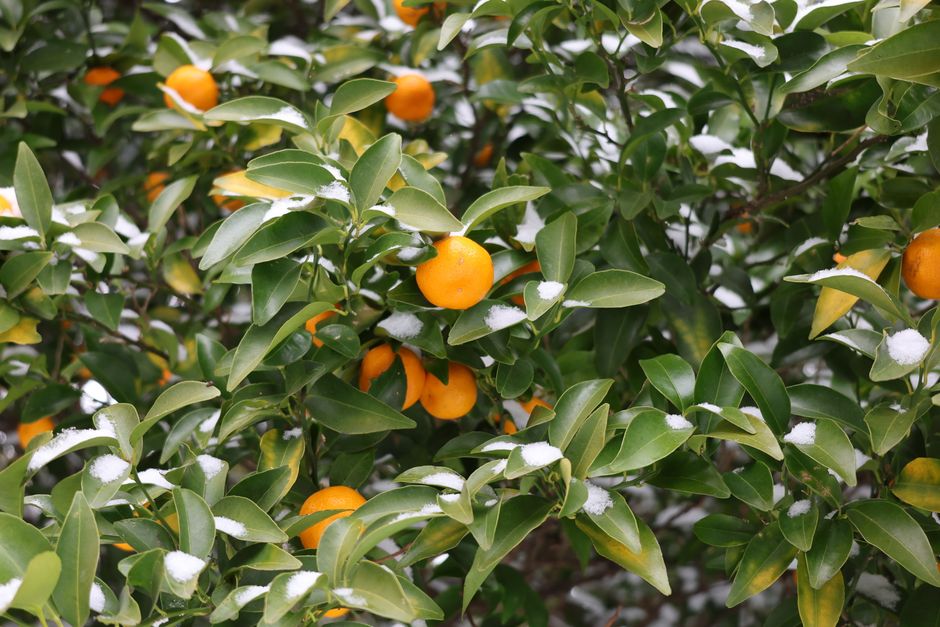
The short answer: Dwarf citrus grown indoors needs brighter, steadier light, warmer winter temperatures, higher humidity and slower watering cycles compared with outdoor trees. With the right pot, soil mix, and a 3-step seasonal routine you can keep fruiting and avoid shock.
Environmental differences
Light is the single biggest change when you move a dwarf citrus from outdoors to indoors. Outdoors a dwarf lemon or calamondin often gets 6-8 hours of direct sun; indoors you should aim for 8-12 hours of bright light with a southern or western exposure or supplemental grow lighting. If using LED grow lights, position them 12-18 inches above the foliage and provide 10,000-20,000 lux (roughly 1,000-2,000 foot-candles) for 10 hours daily to support flowering and fruit set.
Measure light at leaf height with a smartphone app or simple light meter: aim for at least 1,500 lux near the canopy on a bright winter day and 10,000 lux when using artificial lights. Rotate the pot 90 degrees every 7 days to keep growth even; for trees kept on a windowsill rotate 45 degrees every 3-4 days if you cannot move the fixture.
Temperature swings are reduced indoors: citrus prefers daytime 65-85°F (18-29°C) and nighttime no lower than 55°F (13°C). Outdoors many healthy dwarf cultivars tolerate brief dips to 28-32°F if hardened off, but indoors you can keep a stable 60-75°F to maintain leaf set and flowering. Avoid placing the pot within 3 feet of drafty windows or within 2 feet of hot registers or space heaters which can create rapid fluctuations and dry the root zone.
Humidity is usually lower inside a home. Aim for 40-60% relative humidity around the tree; raise humidity with a tray of pebbles and water, a small humidifier that produces 1-2 pints (0.5-1 L) per day for one tree, or by grouping pots so they create a microclimate. A hygrometer near the canopy will show trends: if RH drops below 35% for more than 7-10 days, you risk leaf browning and drop.
Soil and potting are different for containers than in-ground outdoors. For indoor dwarf citrus use a free-draining mix: 2 parts loam or potting soil, 1 part coarse perlite, 1 part compost or well-aged bark by volume. Choose a container with good drainage: 5-7 gallon for trees up to 3-4 feet, 10-15 gallon for fuller specimens; increase pot size by no more than one step (2-3 gallons) per repotting to avoid excess moisture retention. Line the drain holes with a single layer of landscape fabric if root loss is a concern, and always use a saucer to catch runoff when watering indoors.
Quick care differences
Light, warmth, and pot steps that move citrus inside.
Hang LEDs 12 to 18 in
Twelve to 18 inches over foliage for 10 hours daily; rotate 90 degrees every 7 days.
Pot up 2 to 3 gallons
Five to 7 gallons to 3 to 4 ft trees, then one 2 to 3 gallon step per repot with drains.
Indoors
- Stable 60 to 75 F, 8 to 12 h light
- Best for: frost months and small spaces
- Pebble trays plus 1 to 2 pints humidifiers
Outdoors
- 6 to 8 h sun, brief 28 to 32 F dips
- Best for: summer growth and fruit set
- Harden off before any cold nights

Moving, care and fruiting
To transition a dwarf citrus between indoors and outdoors, use a staged acclimation over 10-14 days. Start by placing the tree in a shaded porch or under a shade cloth for 3-4 days, then move to a brighter spot for 3-4 days, increasing sun exposure by 1-2 hours per day. Reverse the process in autumn: bring plants in when nighttime lows approach 50-55°F or 2-3 weeks before the first expected frost to reduce leaf drop and shock.
Repotting is best done in late spring when the tree is entering active growth. Steps: 1) Water the pot thoroughly 24 hours before repotting to ease root removal. 2) Remove 1-2 inches of old topsoil and untangle circling roots; if roots encircle the root ball, score them vertically in 3-4 places. 3) Use the recommended mix (2:1:1) and set the new soil level so the graft union sits 1-2 inches above the soil line. 4) Water until runoff and allow the pot to drain on a tray for 10-15 minutes before returning indoors or to bright shade.
Watering schedules change with location. Outdoors in warm months expect to water 1-2 times per week and supply roughly 0.5-1 gallon per 5-7 gallon pot each session, letting excess drain. Indoors, water only when the top 1-2 inches of soil are dry—typically every 7-14 days depending on humidity and pot size; a simple test is to insert a finger 2 inches into the soil. For a quick moisture check, a soil probe will show moisture at 2-4 inch depth; avoid letting the root ball remain saturated for more than 24 hours.
Fertilizer timing matters for flowering and fruit. Use a balanced citrus fertilizer (an N-P-K like 6-6-6 or 8-8-8) applied at half the label rate for indoor plants every 6-8 weeks during the active growing season (spring through early fall). If your fertilizer has micronutrients, follow label grams per gallon—typically 10-20 g per 3 gallons of mix—applied monthly outdoors and every 6-8 weeks indoors. Reduce feeding to once in late fall and stop during dormancy if temperatures drop below 50°F for more than 2 weeks.
Pruning and shaping for container citrus are simple and conservative: remove dead or crossing branches, and shorten vigorous shoots by roughly one third (cut back to a healthy lateral) at the start of spring to encourage branching. For fruiting, thin excess flowers so there are 10-20 fruit per mature plant instead of dozens of tiny, undernourished fruits; thinning increases average fruit size and quality within the same season.
Pest management changes indoors: expect scale, mealybugs and spider mites more often in dry, stagnant air. Inspect plants every 7-10 days, wipe leaves with a soft cloth and a 1-2% insecticidal soap solution (2 tablespoons per quart of water), and isolate any infested plant immediately. Outdoors, predatory insects and rain reduce pest pressure; check trunks and undersides of leaves weekly in warm months and apply spot treatments for active infestations.
Pollination usually requires human help indoors. For 70-90% fruit set on self-fertile types, hand-pollinate flowers with a small artist brush (size 0-2) or gently tap flowering branches daily during bloom for 2-3 weeks. Make one pass per flower in the morning when pollen is dry; repeat every other day if blooms remain receptive for 7-10 days.
Frequently Asked Questions
Further reading: Planting Bare-Root Apple Trees · How to Prune Apple Trees
Sources: UMN Extension