 Field & Home
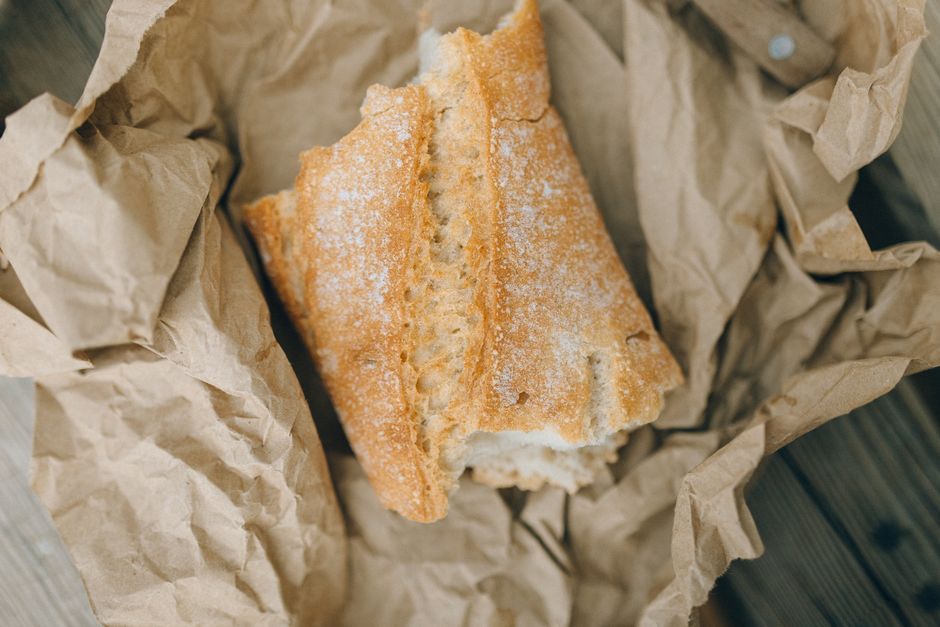
The short answer: Choose storage to protect the part of the loaf you value most: use breathable paper and a quick oven revive for a crisp crust, or airtight wrapping and slicing for a soft crumb you can toast later.
Choosing a Crust Strategy
Every loaf is a balance of moisture, starch structure, and surface tension. Crust crispness depends on surface dryness and the starch gel layer that forms as the loaf cools; crumb softness depends on trapped moisture and a barrier that slows drying. A practical storage choice accepts a tradeoff: preserve the exterior by keeping it exposed to air for some time, or seal in moisture to keep the interior soft at the cost of a softer or soggier crust.
Cooling is the first step most bakers skip. A hot loaf transfers internal moisture to the crust; allow a standard 800–900 g country loaf to cool on a rack for 1 to 2 hours before storing. If you try to wrap a warm loaf, condensation will accelerate sogginess and microbial risk; that first hour at room temperature (about 18–22°C or 64–72°F) is essential to stabilize crumb structure.
For crunchy crusts, choose breathable coverings: a paper bag, tea towel, or a bread box that vents to the room are the simplest tools. Paper lets just enough moisture escape so the crust remains crisp for about 24 to 48 hours, while slowing dry-out better than leaving the loaf fully exposed. Avoid sealed plastic immediately after baking; it traps steam and softens the crust within 2 to 6 hours.
For soft crumb lovers, airtight storage is the faster fix: place a fully cooled loaf in a plastic bag, stretch-seal it, or use a rigid airtight container sized to fit the loaf with minimal air space. That slows moisture loss and keeps slices pliable for 3 to 4 days at room temperature. If you want softness beyond a few days, move to the freezer — slice first for convenience.
Quick tradeoffs
Crust or crumb — pick your priority.
Never bag warm bread
Let the loaf cool a full 1 to 2 hours first; bagging warm traps steam and ruins both crust and crumb.
Match method to loaf
Paper bag for crusty loaves, airtight for soft crumb — storing a baguette airtight gives you a soft baguette.
Crunchy Crust
- Paper bag with 1–2 cm clearance
- Best for: crusty loaves
- Eat within 1–2 days
Soft Crumb
- Airtight bag or rigid container
- Best for: soft sandwich bread
- Stays soft 3–4 days
Storage and Reviving Methods
Paper-bag method, step by step: let the loaf cool completely (1–2 hours). Transfer the loaf into a plain brown paper bag sized to fit the loaf with 1–2 cm clearance. Fold the bag top down once, but do not tape or seal it. Store on a countertop away from direct heat and sun; expect the crust to stay noticeably crisp for 24–48 hours, and the crumb to remain pleasant for about 2–3 days before flavour softening and staling accelerate.
Cloth-wrap method for short-term softness: wrap the cooled loaf in a clean linen or cotton tea towel, then place it in a loosely closed paper bag or bread box. The towel reduces surface rubbing and dust while allowing moisture exchange. Use this for 1–2 day storage when you want a balance: the crust softens slightly but does not become soggy, and the crumb stays tender for about 48 hours.
Plastic or airtight method for soft crumb: slice the loaf to your preferred thickness (20–25 mm slices is common). Place slices in a resealable plastic bag, remove excess air, and close. Alternatively, use a rigid airtight container sized so slices lie flat without bending. Stored at room temperature, expect 3–4 days of soft crumb; for longer storage move to the freezer.
Freezer method with timing: for best results slice before freezing so you can defrost by the slice. Wrap stacks of 4–6 slices in cling film or freezer paper, then place wrapped stacks into a freezer bag or container. Label with a date; use within 3 months for best flavour and texture. Thaw a slice at room temperature for 30–90 minutes, or toast directly from frozen for 1–2 minutes on medium heat.
Reviving a stale or softened crust: preheat your oven to 200C/400F. Lightly mist the loaf surface with water using a spray or sprinkle with a teaspoon of water, place the loaf on a middle rack, and heat for 8–12 minutes for a whole round or 4–6 minutes for slices. This re-crisps the crust and refreshes the crumb structure for immediate serving; allow the loaf to rest 2–3 minutes after removing from the oven before cutting.
Avoid refrigeration when preserving freshness. Refrigerators at about 4°C speed starch retrogradation: bread stored in the fridge will often taste stale within 2–3 days compared with 3–4 days at room temperature for the same sealed loaf. If you must use cold storage, plan to toast or reheat within 48 hours, or move items to the freezer for longer-term holding.
Sizing and materials: a standard 800–900 g loaf fits most 30 x 18 cm paper bags; linen towels about 70 x 50 cm are handy for wrapping two loaves. For containers, choose one that leaves 1–2 cm of headspace so trapped moisture can distribute without compressing the crust. These small dimensional choices help avoid accidental crushing and uneven drying.

Frequently Asked Questions
Further reading: Onions, Garlic, and Potatoes: Storage Rules for Each · Freezing Bread and Dairy: What Actually Holds Up
Sources: FoodSafety.gov