 Field & Home

The short answer: Vacuum bags save up to 70% space but reduce breathability; fabric boxes sacrifice some compression for airflow, easier access, and longer-term garment safety.
Choosing between vacuum bags and fabric boxes
Start by matching storage to the garment and the storage timeframe. Use vacuum compression bags for bulky, washable items such as down coats, puffer jackets, and thick sweaters you plan to store for 1 to 12 months. Use breathable fabric boxes for delicate knits, vintage pieces, leather, suede, and garments you expect to access monthly. Choosing correctly reduces fabric stress, yellowing, and pest risk.
Vacuum bags are typically polypropylene with a one-way valve and come in sizes like 20 x 30 inches for small to 30 x 40 inches for large duffel-style pieces. Compression ratios vary; expect roughly 2.5:1 to 3:1 space reduction for loose-fill items. A standard handheld vacuum can compress one 30 x 40-inch bag in 20 to 40 seconds; a full upright vacuum may be a bit faster. Those timeframes help you estimate packing time: plan 5 to 10 minutes per large bag, including folding and sealing.
Fabric storage boxes are often 12 x 16 x 8 inches or 16 x 20 x 12 inches; pick sizes that let garments lie flat or fold without heavy creasing. Use only acid-free materials and uncoated cotton or breathable canvas for long-term safety. Fabric boxes allow airflow and reduce moisture trapping; that makes them preferable if you expect to store garments for more than 6 months or if the items are sensitive to compression, like tailored wool coats or embroidered heirlooms.
Consider the closet or attic environment: vacuum bags are not a substitute for climate control. If your storage space sees temperatures above 80°F or relative humidity above 65% seasonally, neither method will fully protect garments without a dehumidifier. For basement storage, add silica gel packets—about 10 g per cubic foot—to bring localized moisture down; check packets every 3 months and replace or recharge as needed.
Think about frequency of access. If you rotate seasonal clothing twice per year, vacuum bags make sense because they reduce volume for off-season items you will not touch for 6 months. If you need to access pieces every 4 weeks, fabric boxes reduce wear from repeated opening and resealing, and they let you pull a single item without disturbing a compressed stack.
Vacuum bags
- 2.5 to 3 to 1 shrink on puffy fills
- Best for: 1 to 12 mo off-season bulk
- Seal 5 to 10 min a large bag
Fabric boxes
- 12x16x8 breathable acid-free
- Best for: monthly access and heirlooms
- No compression damage on wool
When each method makes sense
Sizes, seconds, and climates for stored clothes.
Rotate twice yearly
Off-season vacuum for 6 unopened months; monthly pieces live in fabric to avoid reseal wear.
Watch 80 F and 65 pct
Attics past 80 F or 65 percent humidity need dehumidifiers plus 3-month silica checks.

Storing and maintaining seasonal clothes
Before packing, wash or dry-clean garments according to the care label. Dirt, body oils, and food residue attract moths and accelerate yellowing; a clean garment stored for 6 to 12 months will come out fresher. For delicate items, choose professional cleaning and allow 24 to 48 hours after cleaning for garments to fully dry at room temperature before packing.
For vacuum bags: fold garments flat with sleeves along the sides and avoid tight rolling that creates creases. Place heavier items at the bottom and lightweight pieces on top. Leave 1 to 2 inches of headroom at the bag opening for a proper seal. Use the valve and reduce air until flat but not crumpled; over-compressing woven fabrics can stress fibers. Label each bag with a permanent marker or adhesive label listing contents and the packing date.
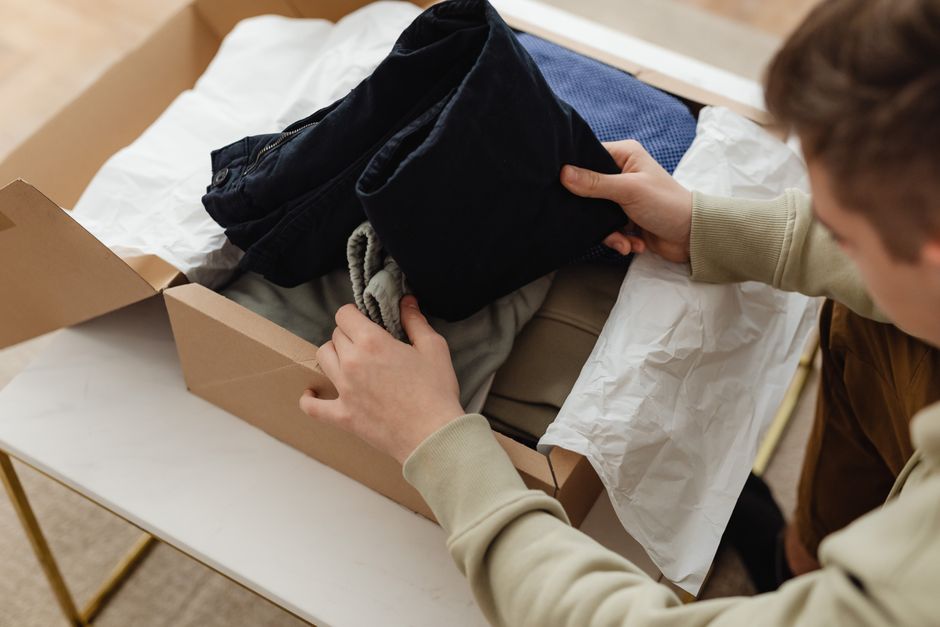
For fabric boxes: layer with acid-free tissue paper between garments to protect finishes and reduce friction. Stack items so heavier pieces are at the bottom and leave 1 to 2 inches of clearance at the top to allow airflow. Place a 2-inch cedar block or four 10 g silica gel packets in each medium box to deter moths and control humidity. Check boxes visually every 3 months and rotate the contents if you store for longer than 6 months.
Storage location matters: aim for a cool, dry place between 50 and 60 degrees F (10 to 15 degrees C) and relative humidity under 60%, ideally 40 to 50%. Avoid direct sunlight and attics where temperatures swing more than 20 degrees F daily. If you must store under a bed or on a high shelf, raise boxes off concrete floors by at least 2 inches to reduce moisture wicking and consider a thin plastic pallet or shelving.
For long-term preservation beyond one season, rotate items annually, re-fold to avoid permanent creases, and refresh cedar blocks every 6 to 12 months by sanding a thin layer to renew aroma. Replace vacuum bag seals if they lose tautness; a well-kept reusable vacuum bag typically performs reliably for 5 to 10 uses depending on material and handling.

Frequently Asked Questions
Further reading: Eight Garage Wall Rails for Bikes and Gear · How to Wrap Fragile Holiday Decorations for Safe Storage
Sources: EPA Safer Choice