 Field & Home
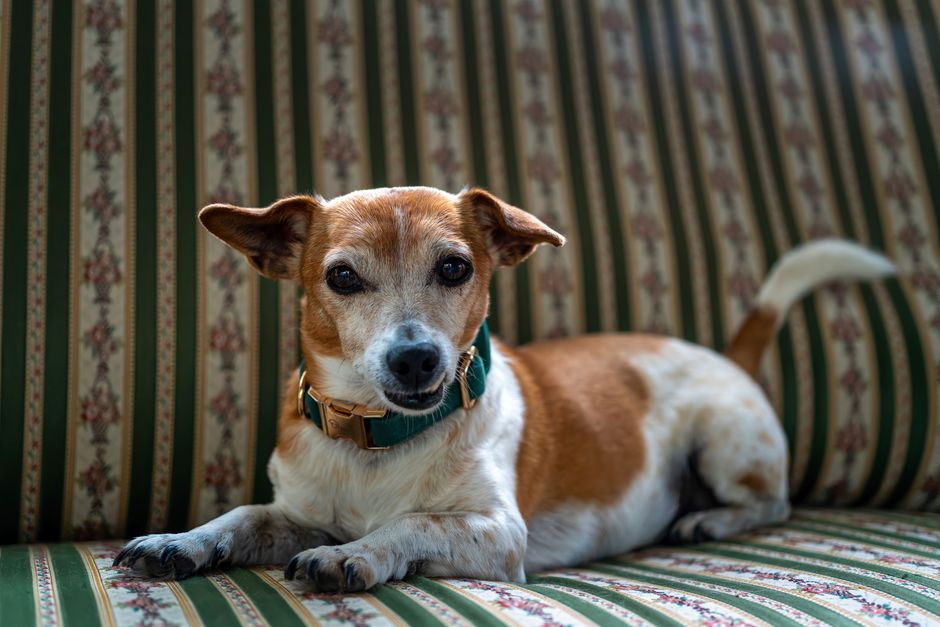
The short answer: Clear most pet hair from a single upholstered chair in about 7 minutes using a rubber brush, a damp microfiber cloth, and two 30–45 second vacuum passes.
Quick prep and tools
Gather three inexpensive tools before you start: a rubber pet brush with a 4–5 inch head, a microfiber cloth roughly 12 by 12 inches, and your vacuum’s upholstery or brush attachment. Optionally add a pair of thin rubber gloves and a roll of wide packing tape (2 inches). Having everything at hand reduces idle time to under 1 minute.
Choose a brush with flexible rubber tines spaced about 3–5 mm apart; this spacing grabs loose hairs without snagging fabric fibers. For small sofas or armchairs a 4–5 inch brush head covers 1 square foot with 2 strokes; for larger sectional pieces use a 7–8 inch brush and work in 2 square-foot zones.
Pick a microfiber cloth with a pile of 200–400 GSM and a 12×12 inch face: this size holds 1–2 teaspoons of moisture and picks up clumps efficiently. Keep one side dry and only mist the other side lightly—about 1–2 teaspoons of water across the cloth—so it is damp but not wet enough to stain fabric.
Move lightweight cushions and remove loose throw blankets; count on 30–90 seconds to strip and reposition items from a single sofa seat. If cushions have removable covers, unzip and set covers aside for laundering after you remove surface hair; plan 60–120 minutes for a full wash-and-dry cycle later if needed.
Check fabric type: tight-weave synthetics (polyester blends) often release hair more easily, while napped fabrics (velvet, chenille) trap hair in the pile and seams. For delicate fabrics test a 1 inch square inconspicuous spot with your chosen tool for 5–10 seconds to ensure no pilling or sheen change before wider use.
Why this routine works
Brushes, zones, and angles that lift hair fast.
Stroke 8 to 12 in at 15 to 30 deg
Short firm passes toward you pile hair for hand pickup; 200 to 400 GSM cloths finish clumps.
Test 1 in for 5 to 10 sec
Spot-test velvet and chenille 1 inch for 5 to 10 seconds before wide passes.
Rubber brush
- Rubber tines rake pile in zones
- Best for: full-sofa 3 to 6 min sweeps
- Keep strokes short toward you
Damp microfiber cloth
- Damp 12×12 lifts leftover clumps
- Best for: finishing passes and seams
- Mist 1 to 2 tsp, never soak
Step-by-step removal process
Step 1 — Quick sweep: Start with the rubber brush. Hold the brush at a 15–30 degree angle and make firm strokes across the fabric with short 8–12 inch passes. Work each 2 square-foot area for about 30–45 seconds, brushing toward yourself so hair gathers into a visible pile you can lift with your hand or the brush edge.
Tip: For a full three-seat sofa break the surface into six 2 square-foot zones and spend 30–45 seconds per zone; total brushing time should be about 3–6 minutes depending on density.
Step 2 — Target seams and folds: Run the brush along seams and between cushions using narrower strokes (4–6 inches). For seams, brush lengthwise along the stitch line 6–10 times per seat. If hair is deeply lodged, insert the brush tip into the seam with 2–3 short back-and-forth motions, then sweep the loosened fibers out onto the main surface before picking them up.
Step 3 — Damp cloth pickup: Lightly mist one side of the microfiber cloth with water until it is just damp (roughly 1–2 teaspoons across a 12×12 cloth). Press and wipe in one direction across the surface to pick up hair clumps; avoid scrubbing, which can press hair into the fabric. For a standard armchair, one 20–30 second wipe typically collects most loose fibers.
Step 4 — Tape for stubborn areas: For hair that resists the cloth, wrap a 2 inch strip of packing tape around your hand with the sticky side out and pat the spot 8–12 times, then replace the tape as it fills. Use 1–3 tape strips per highly soiled cushion depending on how much hair is present. A lint roller with 20–25 adhesive sheets works similarly for quick spot pickups.
Step 5 — Vacuum finish: Attach the upholstery tool and vacuum the entire surface with overlapping passes. Move the nozzle at about 1 foot per second and cover each 1 square-foot area twice for a 30–45 second pass per seat. For crevices use the crevice tool and take two 20–30 second passes per seam; empty the canister or change the bag after 2–3 heavily soiled cushions to keep suction strong.
Step 6 — Gloves or squeegee for pet hair mats: For short-bristled fabrics where hair mats form, wear a slightly damp rubber glove and rub the surface in a single direction; hair will roll into clumps you can flick off. A small handheld rubber squeegee (3–4 inch blade) used at a 45 degree angle works similarly and is reusable with no consumables.
Fabric-specific notes: For leather wipe with a barely damp microfiber and follow with a dry cloth; limit rubbing to 4–6 passes per area to avoid finish wear. For suede use a soft-bristled suede brush and then vacuum with a brush attachment for 20–30 seconds. Wool or woven fabrics tolerate firmer brushing but test a 1 inch square first for 5–10 seconds.
Deep-clean note: If a cushion cover is machine washable, launder it separately on a warm cycle (up to 104°F / 40°C) and tumble-dry on medium for 30–60 minutes with a clean tennis ball to help dislodge embedded hair. Brush and vacuum the cushion foam and frame before returning the cover.
Tool care and storage: Rinse rubber brushes and squeegees under warm water and let air dry within 2–4 hours to avoid mildew. Fold microfiber cloths and store them in a sealed drawer; replace cloths after 50–75 uses or when lint buildup reduces pickup performance by about 30%.
Maintain results: Do a quick 2–3 minute pass with the rubber brush or vacuum every 3–4 days in high-traffic rooms, and a full 7–10 minute routine weekly for homes with two or more shedding pets. Using a washable cover or throw can cut deep cleaning frequency by about 50% and saves 30–60 minutes of work per month for a typical household.
Frequently Asked Questions
Further reading: How to Clean a Mattress and Remove Odors Naturally · 8 Ways to Remove Hard Water Stains from Glass Shower Doors
Sources: EPA Safer Choice