 Field & Home

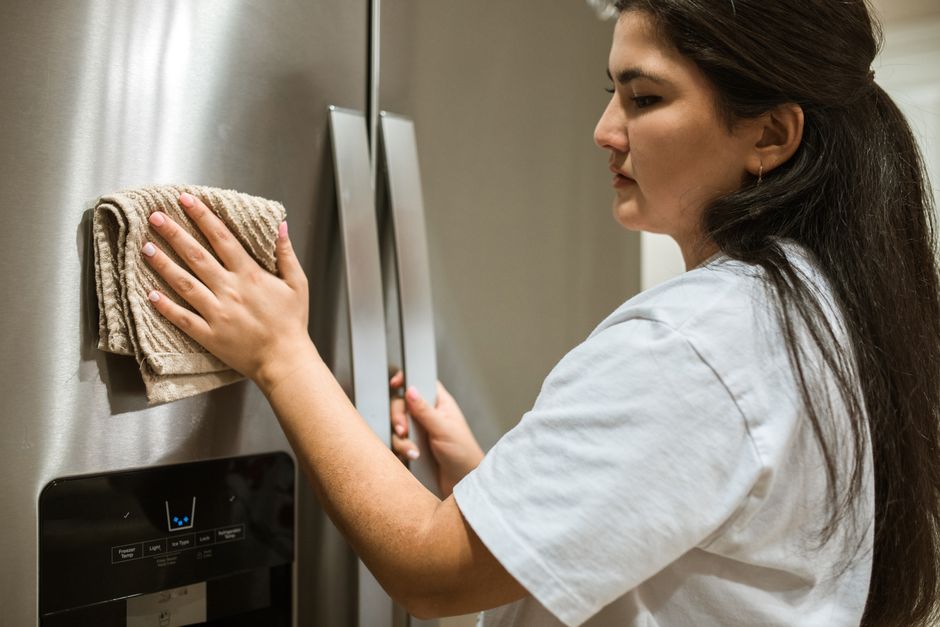
The short answer: Wipe stainless steel daily with a microfiber cloth and a mild soap solution, follow the grain, rinse where food has contacted the surface, and dry within 30 to 60 seconds to prevent spots and streaks.
Daily Cleaning Essentials
Daily care for stainless steel starts with the right toolkit and a repeatable sequence. Keep a microfiber cloth folded to about 12 by 12 inches (30 by 30 cm), a 1-liter spray bottle filled with warm water and 1 teaspoon of mild dish soap, and a second dry 100 percent cotton towel for finishing. A quick routine should take between 1 and 3 minutes per appliance: spray the soapy water, wipe in the direction of the metal grain with light pressure, rinse if food contact is likely, and dry immediately.
Work with the grain for both brushed and satin finishes. If you cannot see the grain clearly, pick a consistent direction—horizontal for ovens and range hoods, vertical for refrigerators—and keep that single stroke direction through each pass. Use two cloths: one damp for cleaning and one dry for buffing. For greasy fingerprints, hold the damp cloth on the stain for 10 to 20 seconds to loosen oils, then wipe with steady strokes and finish with the dry towel to remove residue.
Measure your cleaning solution when you mix it. A reliable all-purpose ratio is 1 teaspoon of dish soap per 1 liter (about 34 fl oz) of warm water. For a common 500 ml spray bottle, halve the ingredients to 1/2 teaspoon per 500 ml. Label bottles with the date mixed and replace the solution every 7 days to keep it fresh and avoid bacterial growth. Small discipline like this reduces residue buildup and keeps finishes clear without harsh chemicals.
Everyday toolkit
Cloths, mixes, and minutes for grain-perfect steel.
One direction always
Horizontal ovens, vertical fridges; hold greasy prints 10 to 20 seconds then buff dry.
Weekly 10 to 15 deeper
Tablespoon soda to teaspoon water paste, sit 5 max, rinse 30 seconds, dry at once.
“Follow the metal grain and dry within a minute to avoid water spots; this small step prevents pitting over years.”
—
Weekly and Deep Cleaning
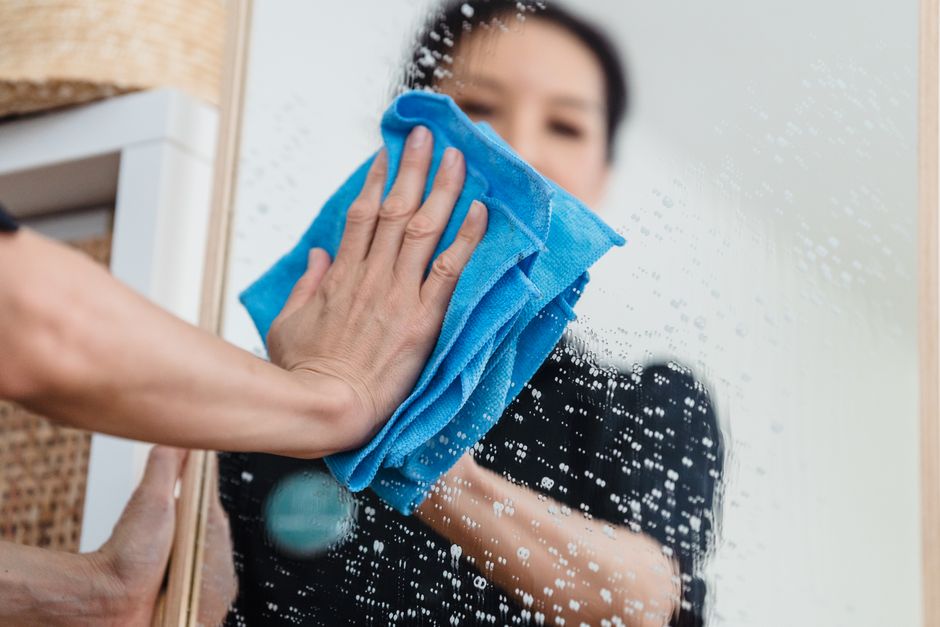
Once a week spend 10 to 15 minutes on a deeper clean. For sinks and counters that see food, empty the area and rinse with warm water for 20 to 30 seconds, then apply a paste of 1 tablespoon baking soda to 1 teaspoon water. Work the paste with a soft cloth or an old soft-bristled toothbrush in circular motions along the grain, concentrating on seams or creases. Let the paste sit no more than 5 minutes, rinse thoroughly for 30 seconds, and dry immediately with a towel.
To remove light rust marks or heat-based discoloration, test a 1:1 solution of white vinegar and water on a hidden 1-inch square spot first. If there is no color change after 2 minutes, apply the diluted vinegar to the stain using a microfiber cloth, rub gently along the grain for 15 to 30 seconds, then rinse and dry. Never let vinegar sit longer than 2 minutes without rinsing; always follow with a 30-second warm-water rinse to neutralize acids.
For adhesive residue, apply 2 to 3 drops of mineral oil to a soft cloth and rub along the grain for 20 to 30 seconds to lift the glue. Remove excess oil with a clean dry towel and then wipe once with the soapy spray to eliminate oily film. Avoid abrasive pads, steel wool, chlorine bleach, or powdered cleansers on stainless surfaces as these can scratch, pit, or accelerate corrosion.
Polish monthly with light mineral oil or a purpose-built stainless polish: put 2 to 4 drops on a soft microfiber and buff in small 6- to 12-inch sections, working along the grain for 20 to 40 seconds per section. For mirror finishes, use a very soft cloth and slightly less pressure; for brushed finishes, use a slightly thicker pile cloth and maintain stroke direction so scratches do not appear inconsistent.
Pay attention to local water quality. In hard-water areas increase drying vigilance to remove water within 30 seconds and consider using filtered water for final rinses. Outdoor stainless exposed to salt air should be rinsed with fresh water every 3 to 7 days and deep cleaned monthly; for grills and marine fittings, increase inspection to every 2 weeks during high-salt seasons and follow with a 10 to 20 minute corrosion-check and rinse.
Microfiber care matters: wash cloths every 7 to 14 days depending on use. Machine-wash in warm water (40 degrees C or about 105 F) with a small amount of liquid detergent, no fabric softener, and tumble-dry on low or air-dry; discard towels that show fraying after 6 to 12 months of heavy use to avoid scratching.
When tackling appliance seams, hinges, or crevices, use a soft toothbrush or a wooden toothpick wrapped in a microfiber tip. Work in 1- to 2-inch segments: loosen debris, vacuum out residue if needed, then follow with the soapy spray and a final 30-second rinse and dry. This three-step micro-cleaning prevents grime buildup in places that later require stronger scrubbing.
Frequently Asked Questions
Further reading: How to Deep-Clean a Small Bathroom in Under Ninety Minutes · How to Clean a Mattress and Remove Odors Naturally
Sources: EPA Safer Choice