 Field & Home
The short answer: Pack by role and zones: food, drinks, comfort, and cleanup. A 15-minute, repeatable routine with one cooler, one bag per role, and a checklist of 12 core items gets a family of four ready to leave without forgetting essentials.
Packing basics and core items
Start by setting a 15-minute timer. Designate one flat surface — a table or the car trunk — and sort items into four zones: food, drinks, comfort, and cleanup. For a family of four plan for 4 main portions, 6 snack portions, and two adults’ beverages plus two kids’ beverages. Use a soft-sided cooler roughly 20 liters for chilled items and a 10 x 7 x 6 inch lunch tote for room-temperature snacks; these sizes fit easily in most trunks and keep weight manageable.
Core food items include: 4 sealed sandwich containers (6 x 6 x 2 inches each), one bowl of salads or sides in a 2-liter sealed container, and 6 individual snack packs (zip-top bags, 1-cup capacity). For beverages, bring one 2-liter bottle of water plus four 500 ml bottles for quick refills, or two 1.5-liter thermoses for hot drinks. Pack all perishables together in the cooler with two reusable ice packs (each 350–500 g) placed top and bottom for even cooling.
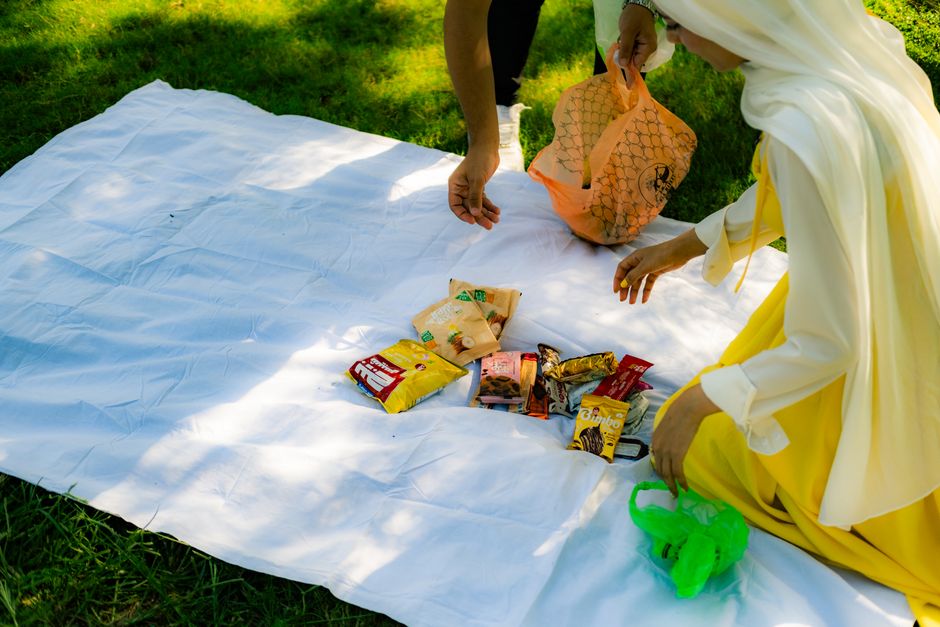
Comfort items: a blanket at least 60 x 72 inches gives room for four; two folding chairs (each collapses to about 20 x 6 x 6 inches) make seating faster for older adults; a 6 x 8 foot tarp saved under the blanket protects from damp ground. Sunscreen (1 bottle, 3 oz) and a small first-aid kit (bandages, antiseptic wipes, one instant cold pack) go into a zipped pouch that stays within reach in a shoulder bag or the car glove box.
Cleanup and extras: bring two trash bags (13 gallon), a 12-count pack of napkins, a 6-piece reusable cutlery set, and a 250 ml bottle of dish soap in a leakproof bottle. Store cleaning items in a mesh bag so they dry between uses. Pack a small plastic bin (about 12 x 8 x 4 inches) to hold used dishes and cutlery until you return home; it keeps damp items separate and prevents spills in the car.
Pack by role: use one bag per adult and one small bag for shared kid items. Put child snacks and a small activity in a 9 x 6 inch pouch so a single child can be handed that pouch at departure, saving 1–2 minutes during loading. Assign one adult to the cooler and one to comfort items to avoid two people reaching for the same bag in the trunk.
Container materials matter: use BPA-free plastic containers (0.5–2 liters) for sandwiches and salads, and silicone collapsible bowls (200–500 ml) for sides to save space. Glass is fine for home-to-park rides but count on one extra padded tote if you bring three or more glass jars to prevent breakage. Label lids with a colored sticker system: blue for cold, red for hot, green for snacks to speed placement at the site.
Quick essentials
Portions, cooler, and blanket numbers for four.
Sort in 15 minutes
Set a 15-minute timer and sort into food, drinks, comfort, cleanup so loading saves minutes at departure.
Ice top and bottom
Pack two 350 to 500 g ice packs top and bottom with perishables together for even cooling.
A 20 liter soft cooler holds chilled mains plus 2 liters of water for a family of four.
Two 350 to 500 g packs, one top one bottom, keep perishables even for hours.
Two 13 gallon bags plus a 12 by 8 by 4 in dish bin leave no damp mess in the car.
“A consistent routine beats a long checklist: pack the same way every time and small prep gains 10–15 minutes across multiple outings.”
—
Packing system, timing, and loading order
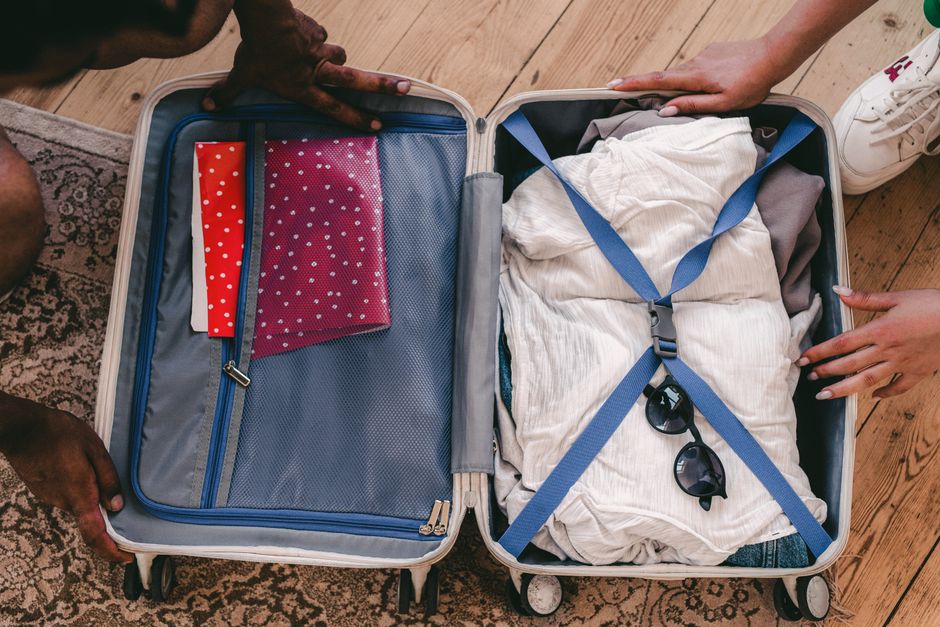
Adopt a repeated loading order to shave time: 1) cooler with perishables, 2) food tote with dry snacks and plates, 3) comfort items (blanket, chairs), 4) safety and cleanup bag, 5) extras (games, sunscreen). Load heaviest items first and inward toward the car floor: cooler, then folding chairs, then blankets and soft bags. This order prevents crushing fragile containers and keeps the center of gravity low for safer driving.
Use a 15-minute routine broken into timed steps: 0–5 minutes: assemble food and place in labeled containers; 5–8 minutes: load drinks and cooler with ice packs; 8–12 minutes: pack comfort and cleanup items; 12–15 minutes: final checks — sunscreen, trash bags, keys, wallet, and a quick headcount. Practicing this sequence three times will cut average prep time below 12 minutes for a family of four.
For food safety, keep perishable items at or below 40°F (4°C). Put frozen items in the cooler first; they act as ice and will keep sandwiches cold for up to 4–6 hours if the cooler is shaded. If you expect a longer outing, add a second ice pack or a block of ice (about 1.5 kg) to extend cooling time by 2–4 hours, depending on ambient temperature.
Packing tips that save time: pre-portion snacks into 6 zip-top bags the night before, fold blankets and chair bags in a single bin, and keep the picnic kit in the same car location each time. Keep a laminated checklist in the glove compartment with 12 items and a pen; checking off items takes about 30 seconds and prevents repeated trips back into the house.
Secure the load: use two bungee cords or a short strap to hold chairs and soft coolers in place if you expect bouncy roads. Place the cooler on the trunk floor near the center and wedge soft bags on each side; this uses the car floor width evenly and keeps the cooler from sliding. If your vehicle has a cargo net or a divider, clip the cooler behind it to reduce movement during a 15–30 minute drive to the site.
On arrival, set a 3-step site plan: 1) park within 20–30 feet of your chosen spot if possible, 2) place the blanket and tarp first to stake out shade and create a clean workspace (use 3 stakes for a 6 x 6 foot tarp in light wind), 3) set cooler and food near the shaded edge so perishable items stay cool. Allow children one supervised task each (carry one small snack bag, unfold the blanket) to speed setup by about 60–90 seconds per child.
Frequently Asked Questions
Further reading: Blackberry Foraging: Responsible Summer Picking Guide · Calm Lake Kayaking: A First-Timer Safety Guide
Sources: National Park Service