 Field & Home
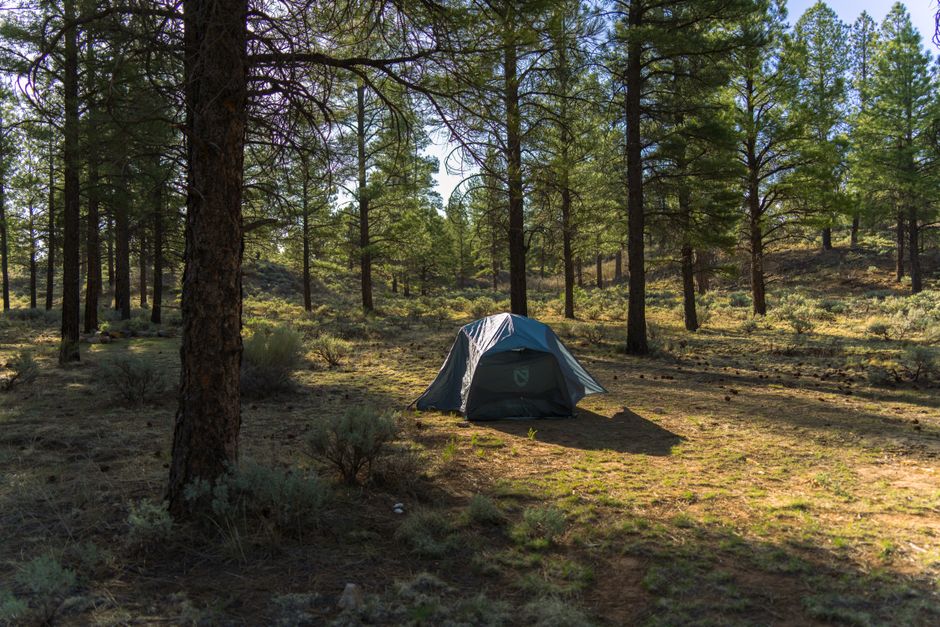
The short answer: Dispersed campsites give you free, off-grid camping on public land while preserving solitude. Scout using agency maps and satellite imagery, follow clear size and distance rules, and leave no trace: pick a durable site, minimize fire impact, and pack out all waste.
Where to Find Dispersed Campsites
Start by identifying public-land units that allow dispersed camping: Bureau of Land Management (BLM) districts, U.S. Forest Service (USFS) national forests, and some state lands. Use the agency name plus the county on an official map index to find boundaries; many units publish Motor Vehicle Use Maps (MVUMs) or forest visitor maps that show designated open roads and restricted zones. If a forest publishes a single MVUM sheet, download and keep a PDF on your phone and a paper copy in your pack.
Step 1: define a search box. Pick a 5-20 mile stretch of road where you want to camp and use satellite imagery to scan for pullouts, clearings, and level benches. In many apps you can measure distances—look for clearings at least 30 by 30 feet (9 by 9 meters) to accommodate tents and a small camp area. Aim to identify 3–5 candidate spots so you have alternatives if one is taken.
Step 2: check regulations for that land unit. Many BLM and USFS districts allow dispersed camping unless otherwise posted, but restrictions often include vehicle limits (one vehicle per site), maximum stay of 14 days within a 28-day period, or closures during fire season. Call the ranger district or check the district’s official website for current notices; write down a ranger phone number and the recreation area name before you arrive.
Step 3: evaluate access. Note road conditions and clearance—many dispersed areas are reached via graded dirt roads that require 4WD during wet months. If a route shows switchbacks and steep grades, expect average slopes of 10–20 percent; for towing a trailer, prefer routes marked as ”all season” or identified as maintained county roads. Estimate drive time: at 15 mph on rough dirt, a 10-mile road takes about 40 minutes.
Maps and Apps
Access, surface, and slope checks.
Read the road first
Check clearance and switchbacks before committing; wet-season dirt roads strand 2WD vehicles regularly.
Slope under 10
Choose under a 10-degree slope on durable ground so tents stay put and soil stays unscarred.
“If you can see the river from your tent, you are likely too close. Aim for at least 200 feet from lakes and streams and avoid shoreline vegetation.”
—
Setting Up Camp Responsibly
Choose a durable surface: established campsites, rock, gravel, or dry grasses are preferable. Look for a flat spot with less than a 10-degree slope to keep tents stable and to avoid erosion. For a two-person tent, clear an area roughly 7 by 5 feet for the tent and an additional 6 by 6 feet for cooking and gear; keep the whole campsite footprint under 200 square feet where possible.
Water and sanitation: set up camp at least 200 feet (about 60 meters) from any water source to protect riparian areas. For human waste, dig a cathole 6 to 8 inches deep and 4 to 6 inches wide, at least 200 feet from water, trails, and campsites; bury the hole and disguise it with natural materials. Pack out toilet paper and hygiene products in a sealed bag if local rules require packing out waste, or if soil is shallow.
Fire and cooking: confirm current fire restrictions with the ranger district before lighting anything. When fires are allowed, use an existing fire ring if present; keep flames low—under 2 feet—and never leave a fire unattended. For fuel efficiency and lower impact, use a canister stove for cooking; if you must burn wood, collect only dead-and-down wood less than 6 inches diameter and burn it down to white ash in the pit.
Waste and food storage: pack out all trash, including food scraps and orange peels. Store food in a bear-resistant container or in your vehicle; hang small items at least 12 feet up and 6 feet out from a trunk for rodent/human-bear safety when required. Scatter greywater by dispersing strained dishwater over 20 feet away from camp and water sources; use biodegradable soap sparingly—about a teaspoon per 5 liters—and dilute it.
Timing and departure: arrive with at least 60–90 minutes of daylight to scout your final site and set up before dark. When breaking camp, leave no trace: dismantle any temporary structures, scatter unused fire rings if local rules permit, and restore the site by replacing displaced rocks and leaf litter. Aim to leave within the posted maximum stay—commonly 14 days—then move at least 25 miles away to avoid reoccupying the same use area.
Frequently Asked Questions
Further reading: 10 Screen-Free Camp Games for Kids · Stream Water Filtering Mistakes to Avoid
Sources: National Park Service